 Leigh-Anne Harber
Table of Contents
ToggleSouth African summers are brutal, and after a couple of weeks in the mid-30s, with little to no rain, even the best planned garden is going to start stressing out.
One missed watering, one sudden heat wave, or just an unexpectedly hotter-than-usual season can leave you and your vegetables wilting.
There have been many a hot day that I have been ready to throw in the towel as I’ve watched my dill start bowing to the ground or my tomato plants hanging sadly.
The reality of growing a home vegetable garden in South Africa is that while we might just be swooning over photos from our English expat friend’s lush potatoes that get a heavy dose of rain each night and never see the temperature rise much over 30, our summers are just never going to be as dreamy (or as easy to manage).
Growing drought-tolerant, heat-loving vegetables is a must for productivity and sanity’s sake.
And lucky for us, we have plenty of delicious options.
What is “drought-tolerant vegetables”?
If you think that drought-tolerant means you never have to water, you are sadly very wrong.
Drought-tolerant simply means that the plant can handle lack of water better and for longer periods than most other plants, due to some or other adaptation. Aloes, for instance, are a great example. They have thick fleshy leaves which store water extremely well, which is why they can go months without much moisture.
Likewise, drought-tolerant vegetables need minimal care and less water than other plants, once they are properly established.
Vegetables that fall into this category will usually have deep or complex root systems or a tap root, they grow quickly, or they have just become adapted, like peppers.
The Best Drought-Tolerant Vegetables for South African Gardens
I like to grow a mix of drought hardy and normal summer vegetables because these days, despite predictions, you just never know what the season is going to do.
The summer of 2025 we were told to expect a little rain and we ended up flooding, getting over 1000mm by the time the season ended. The garden didn’t produce much and I was so stressed out over washed away farm roads and overflowing dams that I wished for winter.
So, my philosophy, which I stole from my husband, is to expect the worst and prepare for it.
August is the best time to start sowing for summer and if you are looking for some inspiration, these are some of the veg worth to add to your drought-tolerant veggie garden.

Sweet potato
I can vouch for growing sweet potatoes and you don’t need to buy slips, you can make them.
Sweet potatoes are great for a drought garden, needing just a little bit of care to get established and once they are growing happily, they will spread far and wide, with little water needed.
I grow my own slips from shop-bought orange sweet potatoes (I don’t like the purple ones).
Sweet potatoes like well-draining soil and if you can’t water them in the few weeks before they need to be harvested, it actually helps the spuds develop flavour. Too much water causes rot.
Okra
Okra is a popular plant from east Africa and in South Africa it goes by the names delele, thelele, gushe, and lady’s fingers.
I have never grown or eaten this veg, but apparently it has an earthy flavour, and can be grilled or used in stews, although when used in stews, it can get slightly slimy.
Okra absolutely loves the hot summer days and they don’t like to grow in soil that gets easily water logged.
Chillies and Peppers
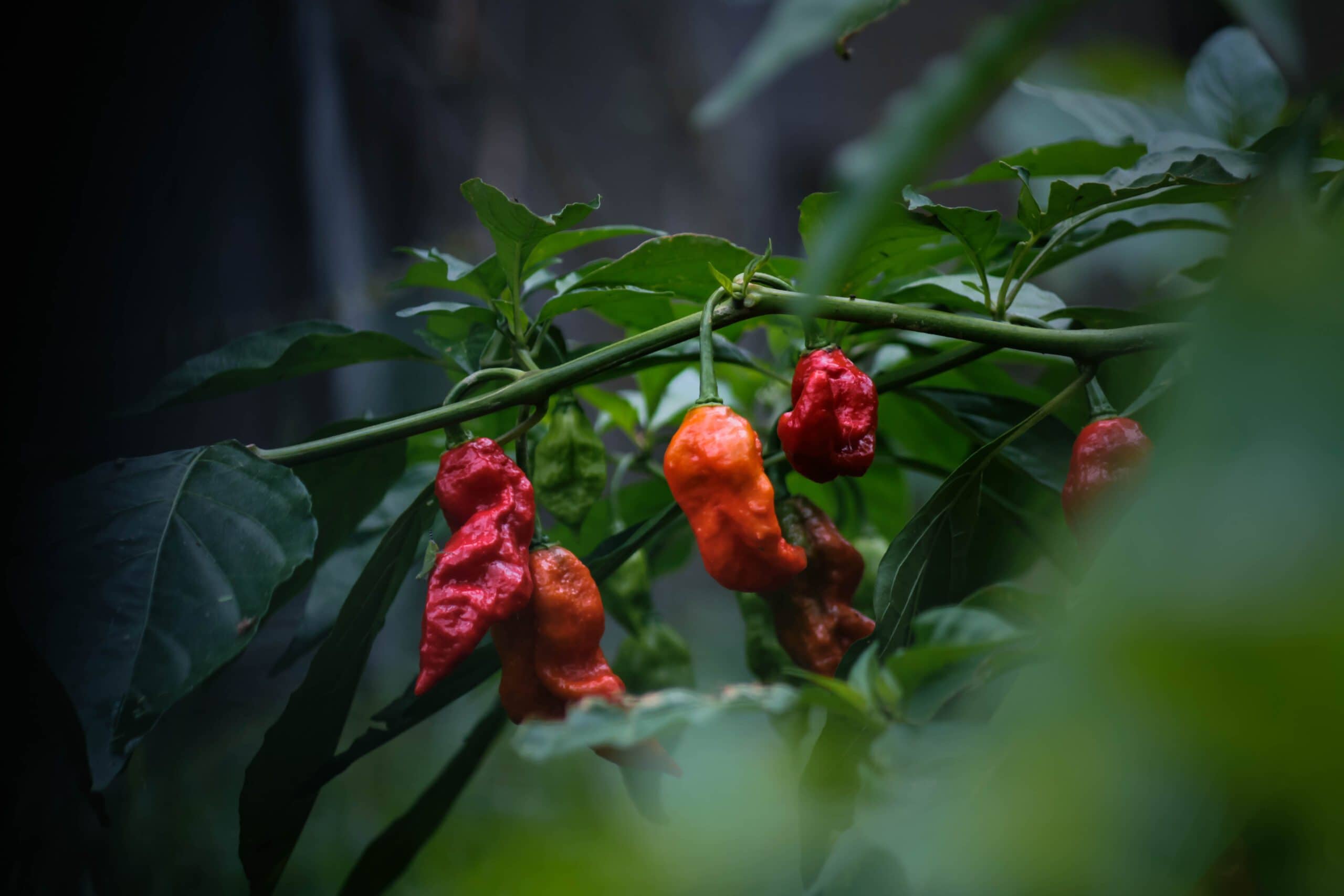
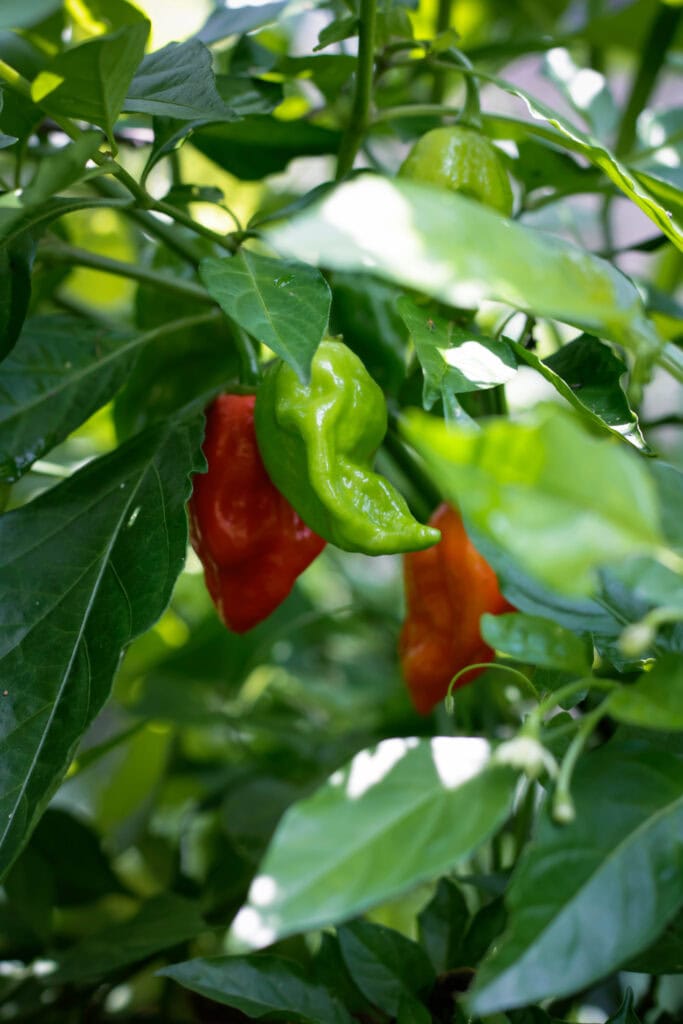
I learned that certain chillies and peppers thrive in the heat and with little water a couple of years when growing ghost peppers. We were moving and I neglected them, and the plants just got bigger, bushier and loaded with peppers.
That said, you need to choose your variety wisely because not all varieties do well when the days get intense and dry.
Small, hot varieties, like the ghost pepper will do best so go for shishito, jalapeno, habanero and similar types.
Bell peppers, like the California wonder, will only survive if they have already had time to get their roots well into the ground.
Amaranth (morogo) and other indigenous leafy greens
Year after year amaranth comes up naturally in my garden. The seed is dropped by birds and once it came in a load of compost I have bought locally.
And it is indifferent to the heat and the rain, probably because it is an indigenous plant and that makes it possibly one of the best suited vegetables for our climate.
Any vegetable that has become acclimatised generally does very well, regardless of what the weather does (another reason to learn how to save seed).
The seeds of this plant are tiny, so you can prep your ground, scatter them over the top and lightly press them down.
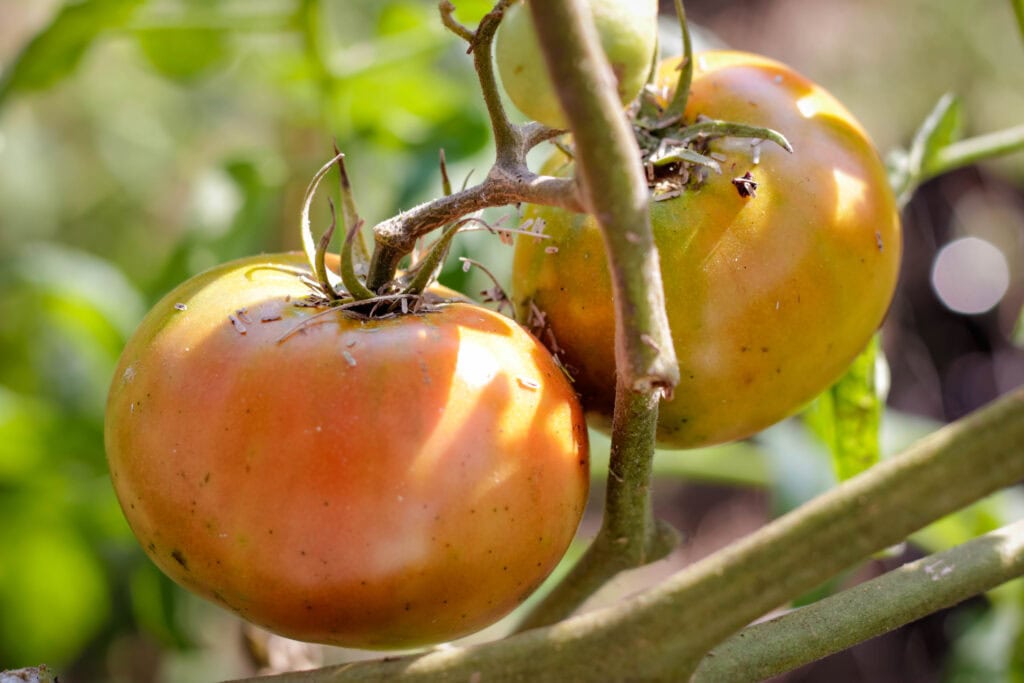
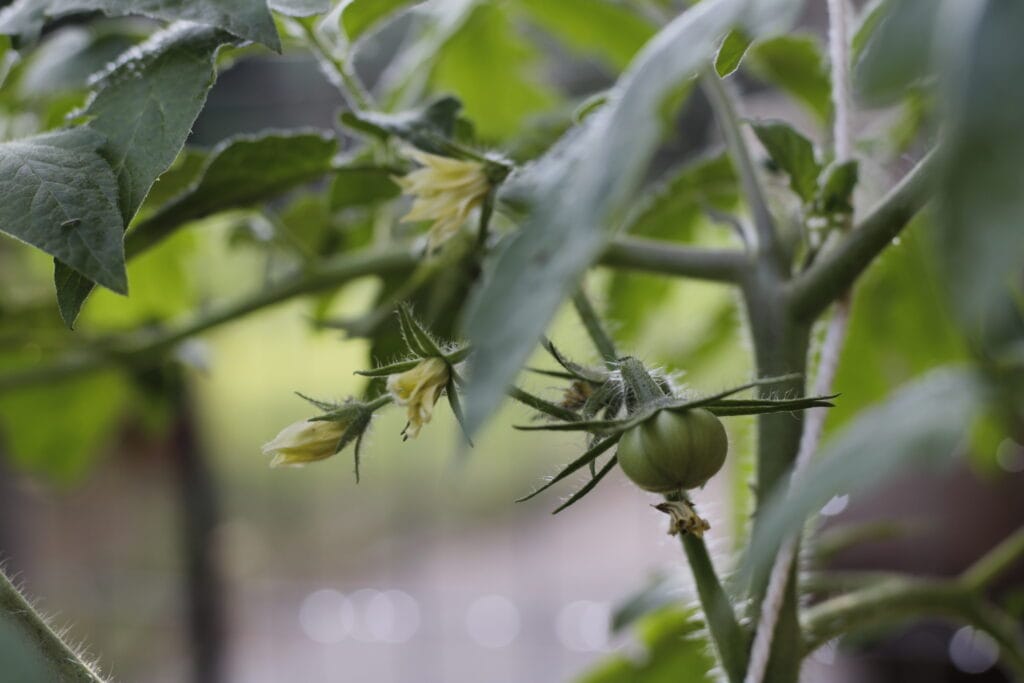
Too much water and tomatoes will split. This is why you should always try to harvest ripe tomatoes if you see a storm brewing.
But missing out on a few days of watering, when the weather is intensely warm, and not only will green tomatoes ripen but they will also develop the most incredible flavours.
You’ll also get a flavour burst if you pick your tomatoes late on a hot afternoon.
To give your tomatoes the best chance at surviving dry weather, you should plant seedlings deep, removing some of the bottom leaves before you do so, or you can plant the stem sideways. This will encourage the plant to grow a much bigger root system, which will help it when the days are dry.
Much like tomatoes, too much rain can cause butternut to split open and once that happens, storing your harvest can be difficult.
Butternuts create a tough root system and everywhere the vine spreads, the plant puts down new roots. This helps the butternut survive drought weather, which is why they do so well with dry land farming (farming that relies on rain only).
The downside of growing butternut during a drought, especially if the lack of rain is accompanied by consistent heat, is that the plant might not flower or it could drop its fruits. To handle this, you can give the plant some shade and make sure that you’ve used plenty of mulch around the base.
You might also notice that around midday the leaves look very wilted. This doesn’t mean the plant is dying. Once the heat passes, the leaves will stand up again.
Rosemary and other drought-hardy herbs
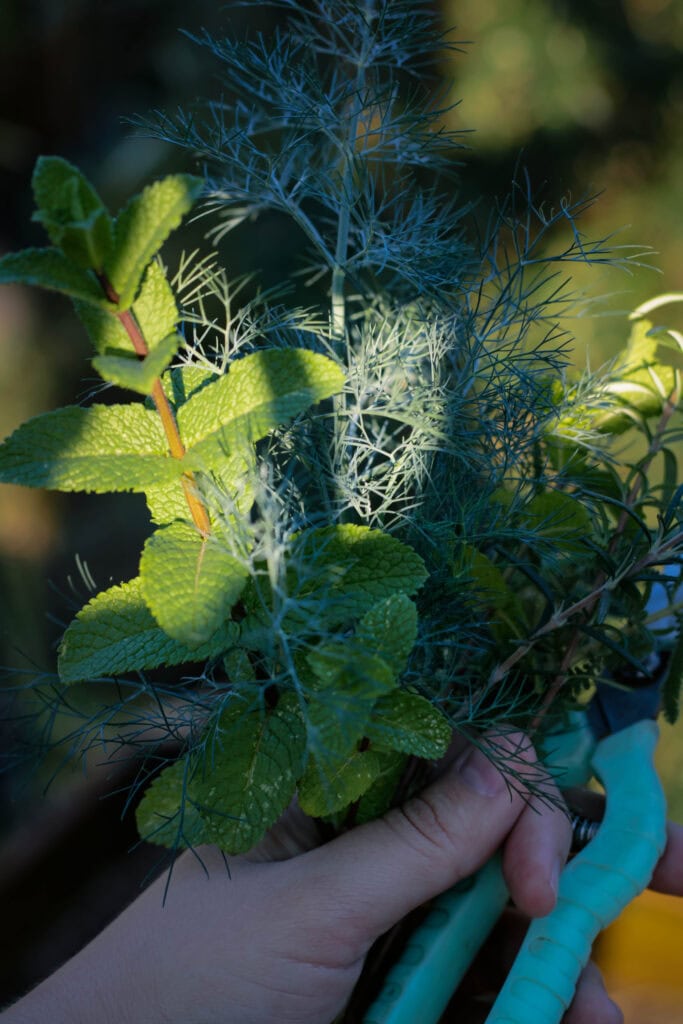
Rosemary is my favourite drought-tolerant herb.
I will maybe water my rosemary once or twice during winter, and the plant actually looks like it is growing better than it does when watered more regularly.
In summer, even in full sun, rosemary does well with very little care, so long as it has had enough time to get properly established.
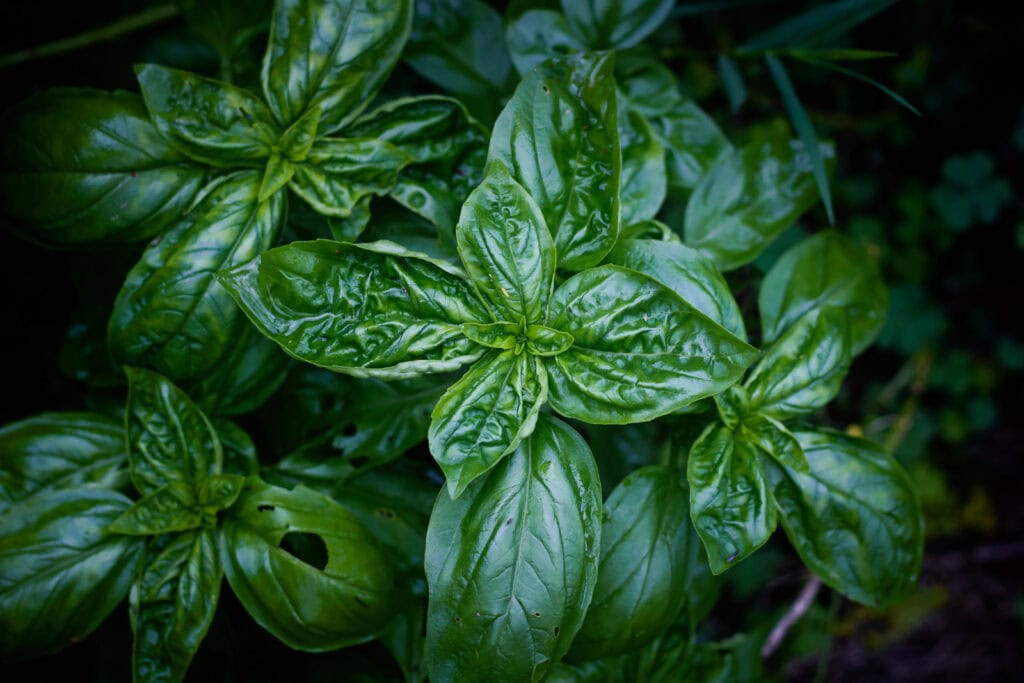
Other hardy herbs you can grow include oregano (I am fond of using a creeping variety as a living mulch for my strawberries), thyme (you can use it as a border in your veg garden, it is perennial and when established is very hardy), sage, lavender (keep it out of the afternoon sun), chives, and I would also recommend basil, though you should harvest it regularly to keep it alive.
When choosing your drought-tolerant herbs, go with any that originate from the Mediterranean area. The summers in this part of the world are almost always hot and very dry.
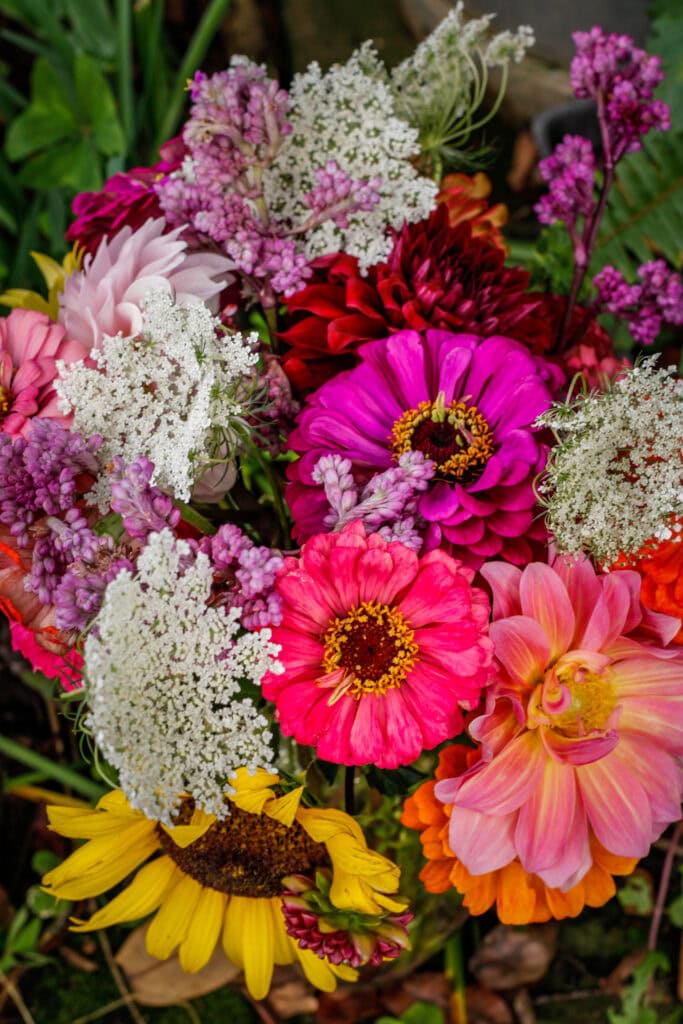
No vegetable garden is complete without flowers.
Summer blooms attract bees and butterflies, improving pollination, and flowers also add lots of beauty to any space.
For the drought garden, you can grow strawflowers, zinnia and sunflowers.
Along with these annuals you can also add perennials like agapanthus, plumbago, wild iris, cape honeysuckle, African blue basil, wild garlic, strelitzia, mother in laws tongue, bulbine, hens and chickens, and all sorts of grasses.

Water-Wise Gardening Practices
A resilient garden should be the goal, regardless of whether your season is going to be a typical one or an insane one.
The less you have to worry about watering and care, the better, especially as water is scarce in South Africa.
Along with growing drought-tolerant veg and flowers, this is what else you can do to prepare for a dry season:
Mulch for moisture retention
Adding a generous 5 to 7cm layer of organic mulch, like straw, bark chips, or dried leaves, acts as a natural blanket over your soil.
It slows evaporation, moderates the soil temperature, and gradually breaks down to enrich the earth beneath it.
You will need to top up your mulch, adding to it or replacing it every few months, particularly as the dry season sets in, for your mulch to stay effective.
Prioritise deep, infrequent watering over daily sprinkling
Rather than a light daily sprinkle, try to water deeply once or twice a week.
This will encourage roots to grow downward in search of moisture, building a stronger, more self-sufficient plant.
Early morning, and in my experience late evening in summer, is the kindest hour to water, giving your plants enough time to absorb the moisture.

Let companion planting do its thing
Planting taller, leafy plants near to more delicate, shade-loving varieties is an excellent way to create a natural cover that keeps the soil beneath cool and moist.
Groundcovers and low, spreading herbs will also help close any bare patches, reducing water loss and giving your garden a lovely look.
Build healthy, water-retentive soil with compost
Soil rich in organic matter holds onto moisture far longer than depleted, sandy ground.
In the spring, work a generous layer of compost into your beds to improve structure, feed the beneficial microbes, and create a soft, spongy base that drinks in the water rather than letting it run off.
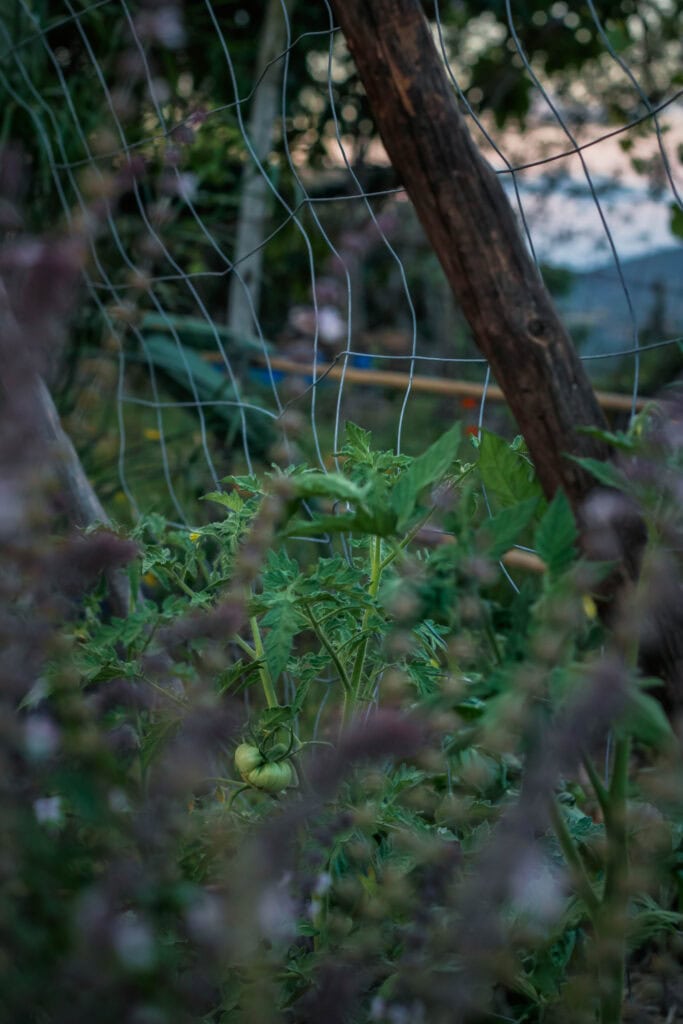
Summer can be a rough season, but if you plan your garden and begin your preparations at the end of winter, it can be the season you spend munching on delicious home-grown tomatoes, crunchy cucumbers, and a couple of these drought-resistant varieties.
You can also have a look at my guide on surviving El Nino, for extra advice.
Happy Planting 🙂
Frequently Asked Questions About Drought-Resistant Vegetables
Which vegetables need the least water to grow in South Africa?
Sweet potatoes, cowpeas, amaranth, and indigenous leafy greens such as morogo cope well with low rainfall once established. Herbs like rosemary and thyme, along with chillies and okra, also thrive on minimal watering thanks to their deep root systems and drought-adapted leaves.
When is the best time to plant drought-tolerant vegetables?
Early spring, around September, is ideal in most South African regions. Planting before the heat of summer sets in gives seedlings time to establish a strong root system while the soil still holds some residual moisture from winter.
Are indigenous vegetables hardier than imported varieties?
Yes, in most cases. Indigenous vegetables have adapted to local rainfall patterns and soil conditions over generations, giving them deeper roots and a natural resilience that many imported varieties simply haven’t developed.
How can I reduce water use in an existing vegetable garden?
Group plants with similar water needs together, apply a thick layer of mulch, and switch to deep, infrequent watering rather than daily sprinkling. Drip irrigation and early morning watering also reduce water loss to evaporation.
Can drought-tolerant vegetables be grown successfully in pots?
Yes, provided the pots are large enough to hold moisture and are mulched at the surface. Positioning containers where they receive some afternoon shade, and grouping several pots together, helps slow how quickly the soil dries out.
