 Leigh-Anne Harber
Table of Contents
ToggleI bought my first packet of seed when I was about 12 or 13 years old. I was with my mother or grandmother, I can’t quite recall, and we were buying groceries at Shoprite.
We walked down the home improvement aisle, and somewhere between the spades and light bulbs, there was a narrow rack of seeds. It had all the basics, like beans, carrots and chard, and it had Roma Tomatoes, which caught my eye.
I was allowed to add a packet to our shopping cart, and when we got home, I planted a whole lot of seeds directly in the ground around my grandmother’s aloes.
I’d love to say that that summer we ate bunches of homegrown tomatoes, but we only got a few.
After that, I didn’t really pay much attention to seed until the lockdowns of 2020, when my mother decided we needed to start some chard and some onions. I don’t know what spurred her on, but I was game, and then I was hooked.
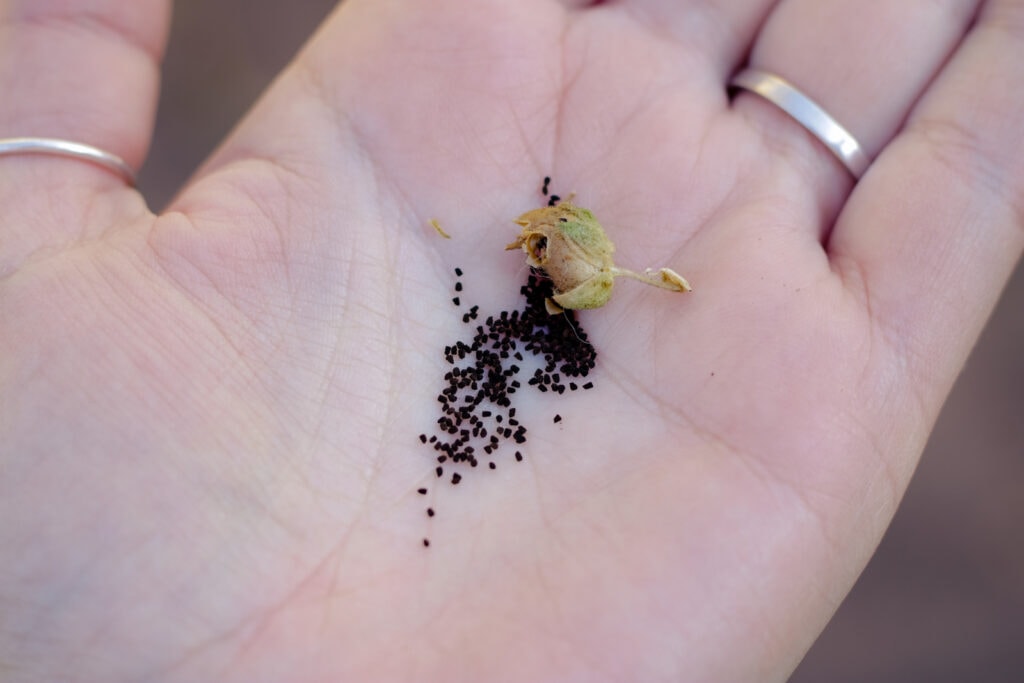
The most affordable, and I’ll admit, sometimes the most frustrating, way to grow your own food is to grow it from seed.
It is the only way that you’ll be able to grow unique varieties of food, and it’s the only way that you’ll be able to grow varieties that will be most productive in your corner of the world.
Why Buying Local Seed is Good for the Gardener
South Africa’s gardens aren’t one-size-fits-all.
From the drought-prone Karoo to the humid KwaZulu-Natal lowlands, our climate demands seeds that can handle heat, frost, or erratic rains.
Local seed companies bred or source seeds for our conditions, like drought-resistant veggies that sip water sparingly or flowers that bloom through our long summers.
Local seed shops also often bundle free growing guides, starter tips, and even chat support, like emailed seasonal newsletters packed with advice, discounts and helpful news.
And buying from a local seed grower also means you get fresher seeds that have been well taken care of, not left on a sunny shelf in a badly air-conditioned shop.
Supporting these businesses boosts our economy too; many are family-run operations pouring profits back into sustainable farming, and this helps to ensure that South African gardeners like you and me get to buy heirloom seeds.

Which are the best seed companies in South Africa?
Post-pandemic, home gardening has exploded here, with sales of veggie seeds up over 30% in recent years.
Companies like Starke Ayres and Mayford, regular supermarket names, are generally the gardener’s first introduction to seeds, and naturally, they are still among the best-performing seed companies.
The downside is that they mostly stock the basics, and once they sell their seeds to a supermarket, those seeds hang on a rack in less-than-ideal conditions, which can affect their germination.
I have on more than one occasion bought a packet of duds, and when you’re spending a good R35 to R40 on a seed packet, it adds up.
My Favourite Seed Companies in South Africa
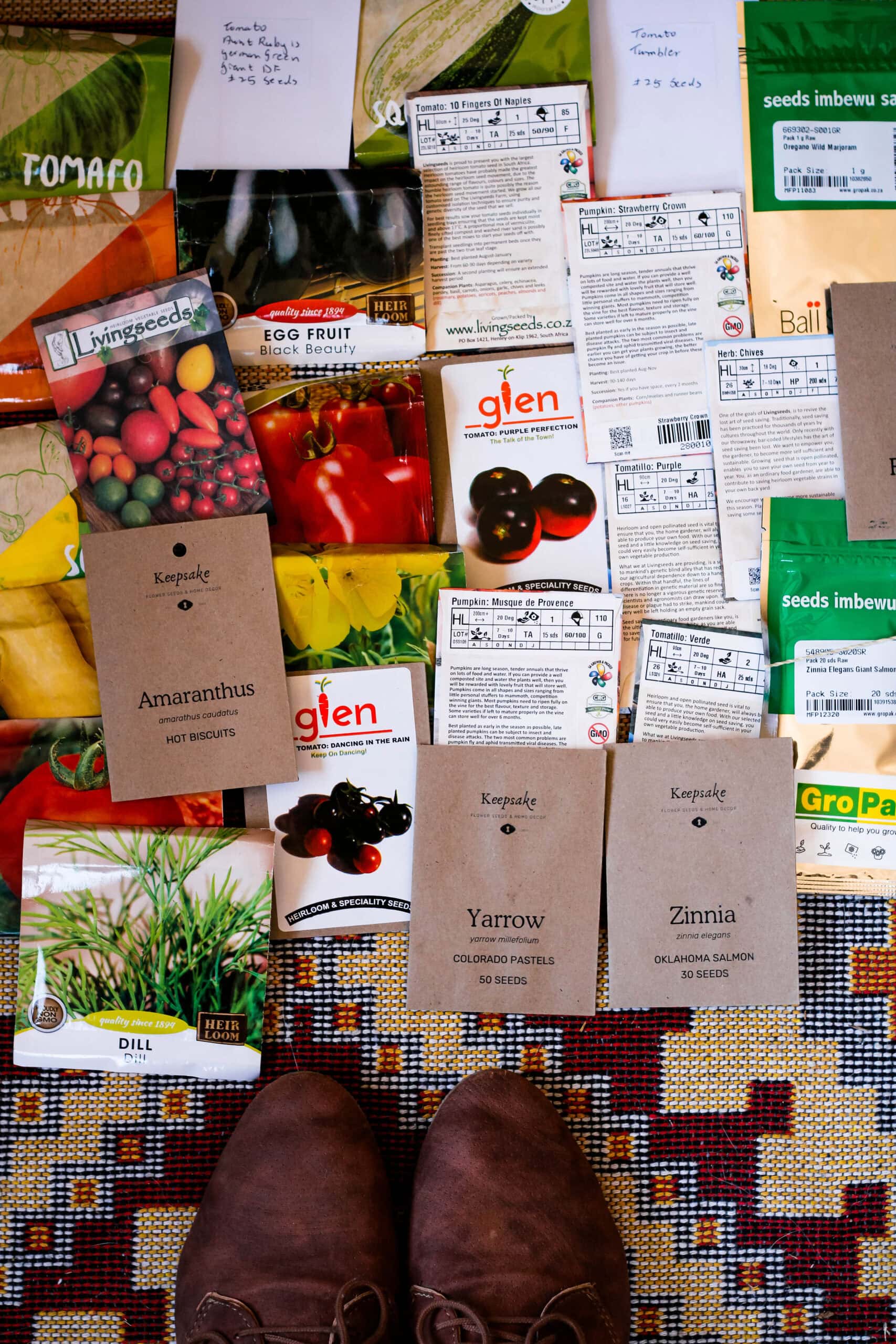
I think I can safely say that I have bought seeds from most of the better-known brands, as well as a few smaller ones.
I have burned my fingers only once, with a home seller whose seeds were expensive, had terrible germination, and of the few that did grow into plants, they weren’t what I had bought. She then ghosted a bunch of buyers, disappearing with their money, so I won’t have to warn you about her.
For the most part, suppliers I have bought from have sold high-quality seed, and the characteristics I look for these days are less about germination rate (perhaps I trust too easily) and more about price, quantity and variety.
These are my choices of the best seed companies in South Africa.
Starke Ayres
“The Leading Vegetable Seed Supplier in South Africa”
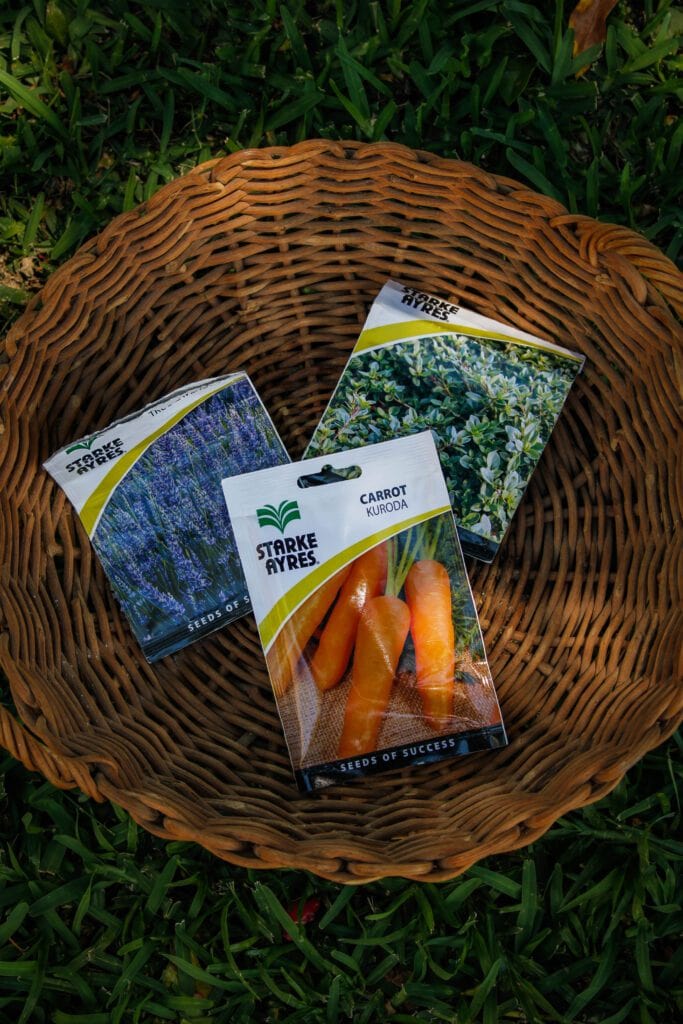
Founded in 1877, Starke Ayres is possibly South Africa’s best-known seed company, and they supply a huge variety of staples, from crisp lettuce to dazzling zinnias.
Their premium lines are perfect for home gardens and plots, with hybrids that resist local pests like aphids. The seed packets also have informative step-by-step guides, so there’s no guesswork needed.
Their seeds are also very accessible; you’ll find them at nurseries, shops like Makro, Checkers and Builder’s Warehouse, and I believe you can find them sold online as well.
Website: starkeayres.com
Living Seeds
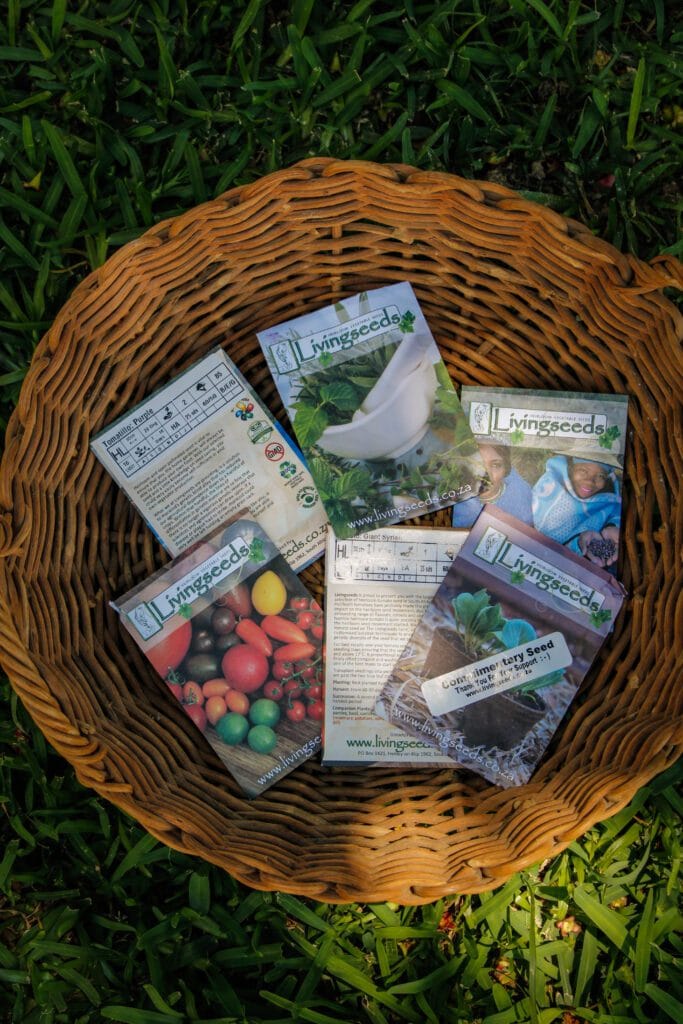
“Heirloom Vegetable Seeds”
Since 2009, Livingseeds has been the heirloom hero, and they have over 1 200 non-GMO varieties, many of which they grow, open-pollinated, on their farm in Gauteng.
I have bought from them multiple times. Their varieties are out of this world, and their seed quantities are very generous, and they have excellent germination!
When you are ordering from their webstore (they now have a physical shop too), you can choose to order “petite” packets or standard packets.
The petite packets have about 70 seeds, while the other option can have well over 200. This amount depends on the variety you are buying.
Their website is also a fantastic resource for all sorts of gardening and seed information.
Website: livingseeds.co.za
Kirchoffs
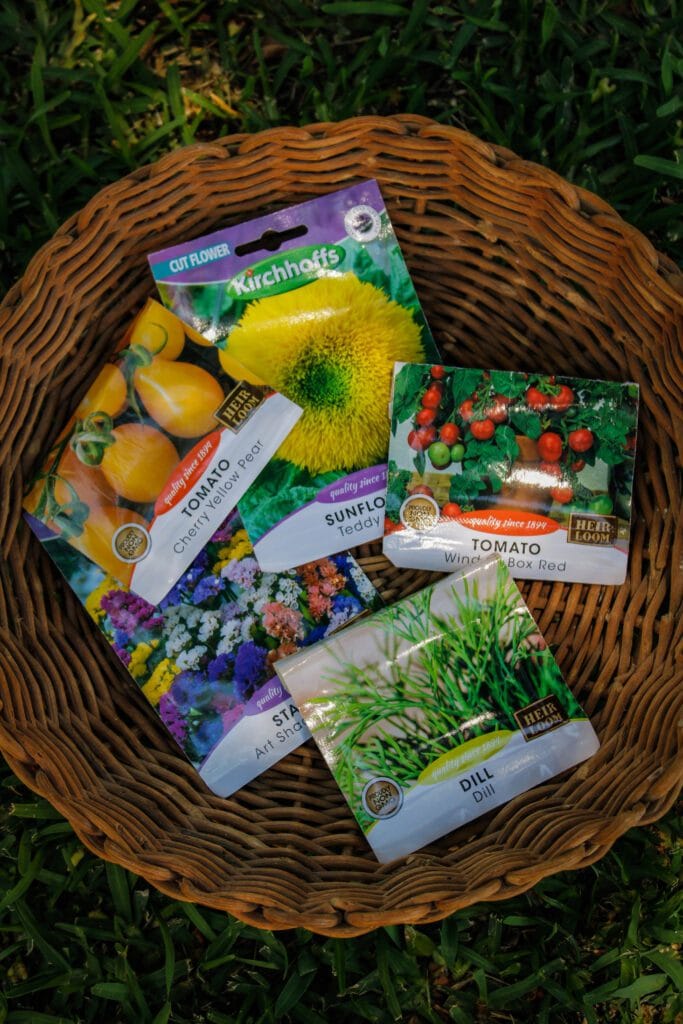
“It all starts with seed”
When I first became obsessed with seeds, this was my go-to brand.
Kirchoffs Seeds are available in most nurseries and hardware shops with a garden section, and when I started gardening, their prices were the best.
Over the years, as inflation has eaten into our lives, their prices have gone up, but they remain the most affordable if you are buying in-store.
As for germination, I have had a few seed packets that let me down when not one seedling came up, but I do often think that has more to do with the way the seed was stored in the shop, rather than a fault with the supplier.
Kirchoffs, Raw Living Seeds, and Gropak are a part of Ball Straathof.
Website: kirchoffs.co.za
Raw Living
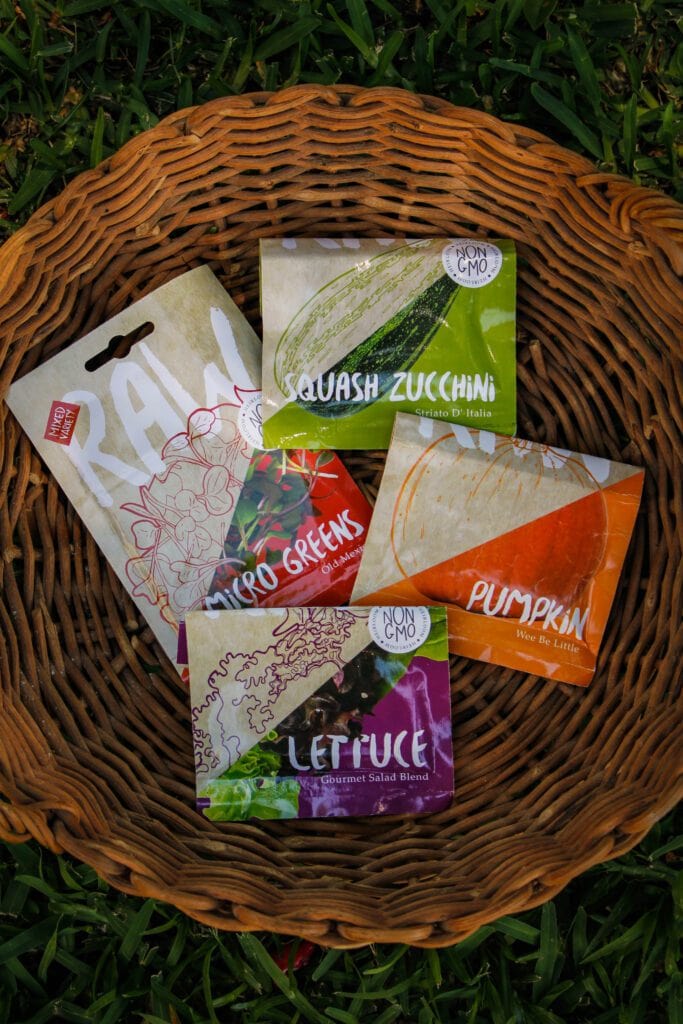
“Some of them look weird. But we promise you those are even tastier. Be brave.”
One of the things that always gets to me about the veg we buy in the shop is that we are so limited in terms of varieties.
It is one of the reasons why I started growing veg, I wanted to experiment with interesting plants and taste new flavours.
If you are looking to grow conversation-starting plants, you need to look at the range from Raw Living.
The company is part of the Kirchoffs family, so you can expect great quality.
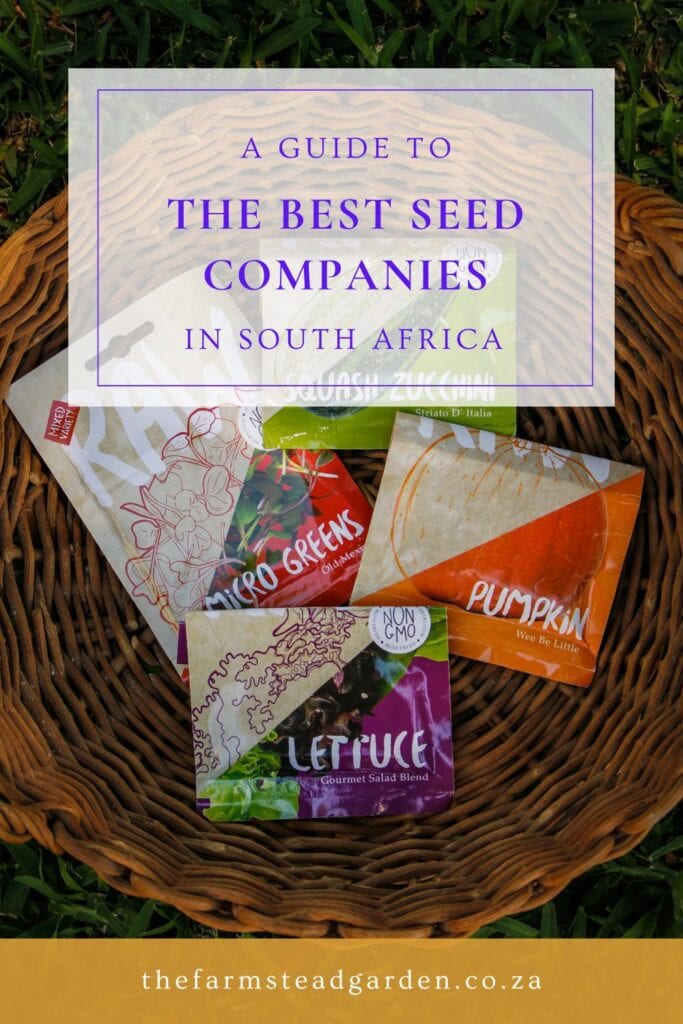
I’ve grown their purple broccoli, Wee Be Little Pumpkin, and a few of the tomatoes they stock.
The seed quantities are very generous, their prices are great, and the germination rate is pretty fantastic.
Website: https://rawliving.co.za/
Mayford
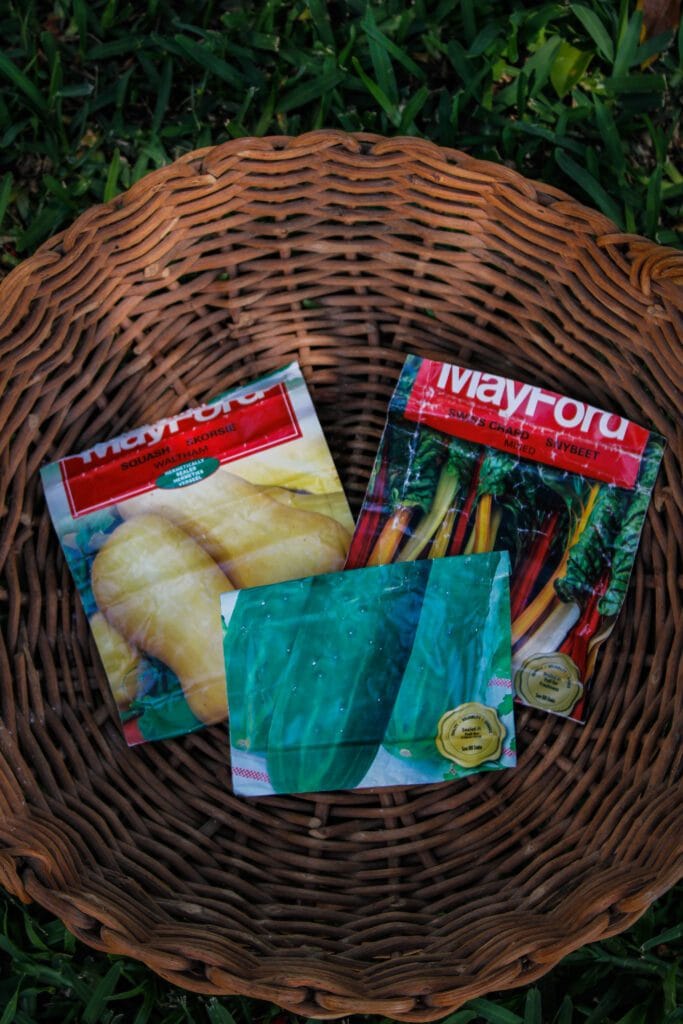
“One of South Africa’s oldest seed companies”
Mayford is another seed company that you will find in most supermarkets and nurseries, and they stock all of the familiar favourites as well as a couple of exciting options.
I am a big fan of their Ashley cucumber and their Waltham butternut, which I’ve had great success with compared to the same variety from other brands.
Along with their massive selection of seeds, their prices are good, and so is the germination rate.
Website: https://mayford.co.za/
Seeds for Africa

“Africa’s Most Diverse Online Seed Range”
With 2 600+ varieties, Seeds for Africa was founded in 2011 and they have done a bladdy good job of championing seed diversity.
On their online shop, you’ll find plenty of SA natives as well as a good variety of global exotics. Their shop also stocks everything you need to set up hydroponics and greenhouses.
I have bought from them quite a lot over the years.
Their seed germination rates are excellent and they are very budget friendly.
Their seed quantities are not as much as Livingseeds, but you’ll get more than enough to grow your home garden, even if you are tight on money.
If you are shopping in November, keep an eye out for their Black Friday sale. Their prices at this time of the year are very generous (I once bought 2000 strawberry seeds for, if I remember correctly, R100!)
Website: seedsforafrica.co.za
Glen Seed
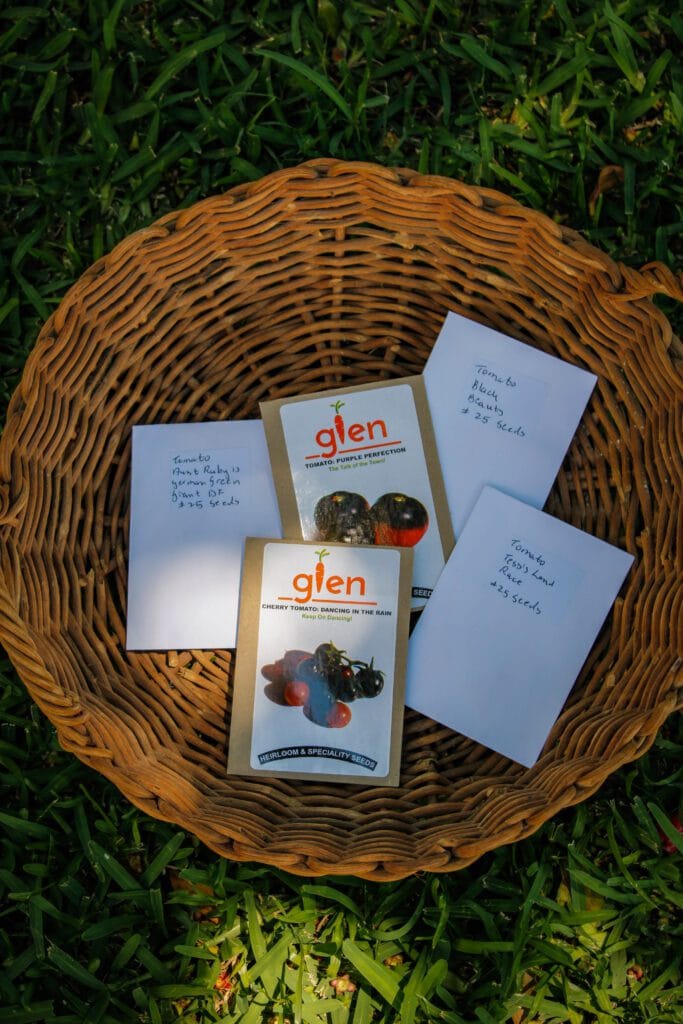
Heirloom and Speciality Seeds
Glen’s heirloom focus means the shop has one of the widest ranges of seeds for home growers.
I first bought from them when I was looking for Tumbling Tomatoes, and then I ended up buying stacks of other tomato varieties too.
On their webstore, along with the common veg, you will also find indigenous varieties, like African Horned Cucumber, and you’ll also have access to plenty of helpful information.
I have also signed up for their newsletter, and I have found it so useful.
Website: glenseeds.co.za
Over the years, I have also tried other seed brands, with varying results.
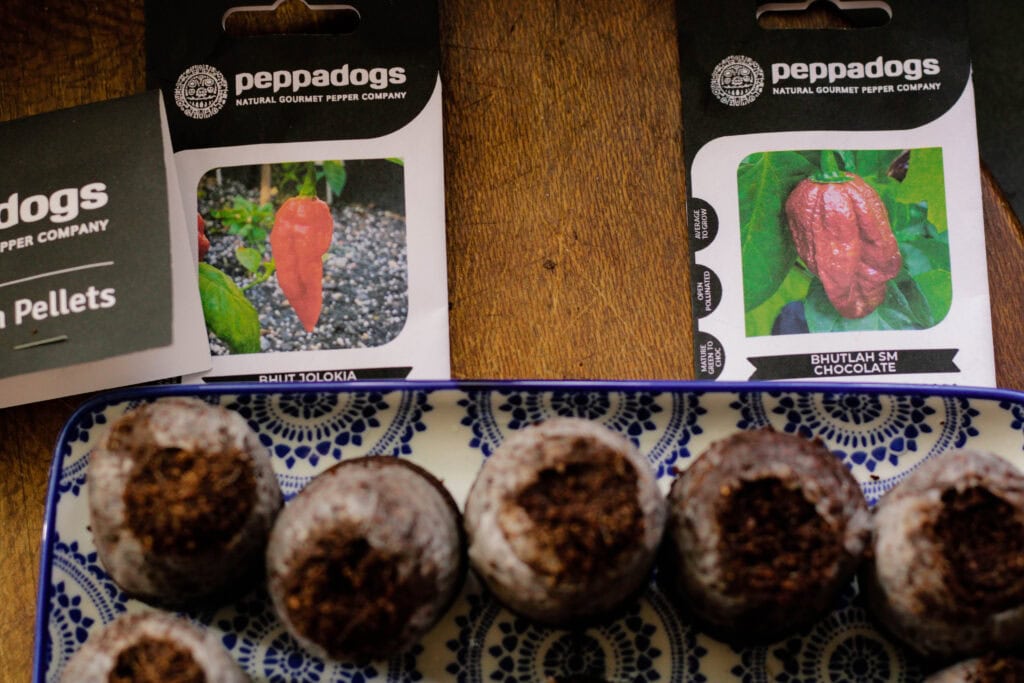
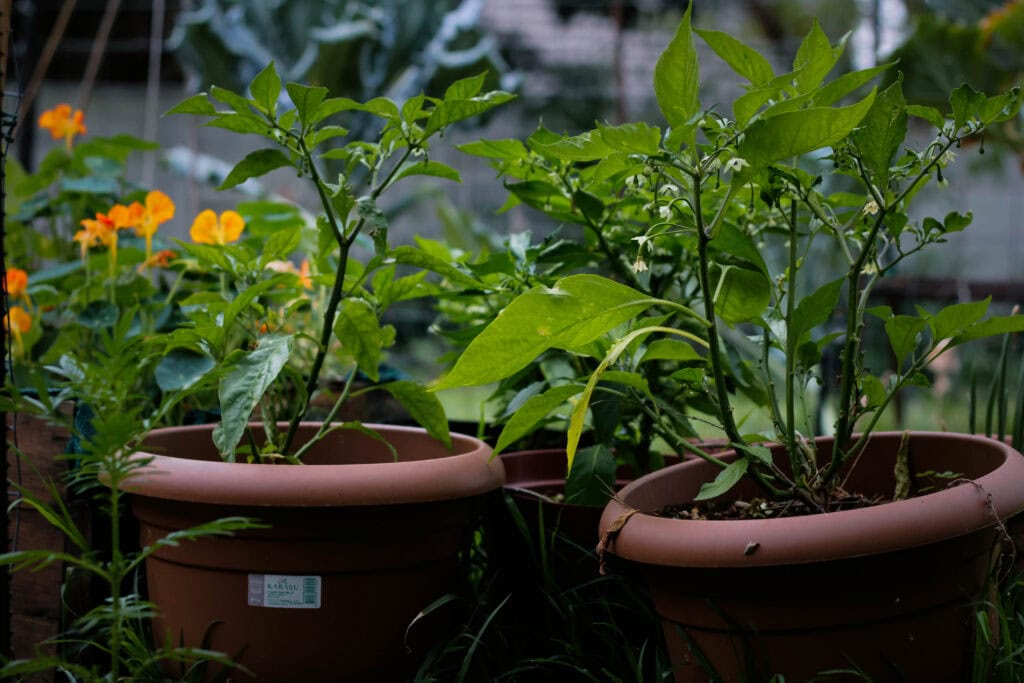
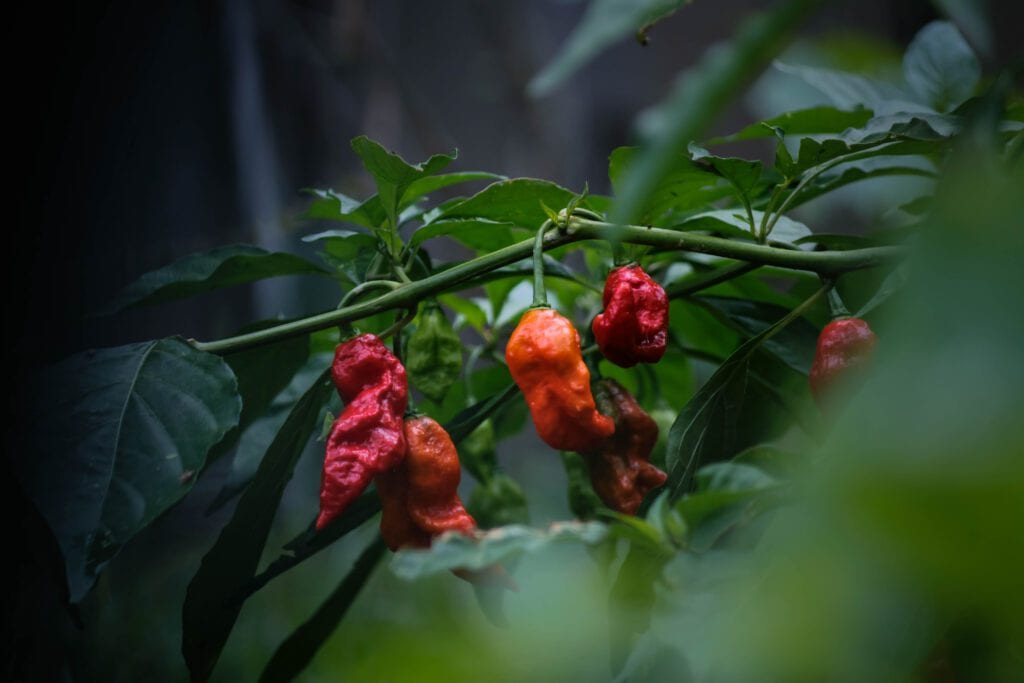
A couple of years ago, I found a brand at our local Montana Nursery called Peppadogs Chilli Seeds.
They were quite pricey, but they stocked an incredible range of unique seeds. I bought Ghost Peppers and Chocolate Bhutlah Peppers. All of the seeds germinated and I ended up growing the biggest pepper plants.
I don’t know if it is because the peppers were growing in pots or if it is because I germinated them at the end of summer and they benefited from that end-of-summer heat, but they were the biggest pepper plants I have ever grown.
I planted the seeds in February, and the plants grew for over a year, and might have continued had I not had an ant problem.
Unfortunately, I couldn’t eat any of them; they were so hot my eyes stung when I walked past the bushes, but they kept the pests away!
A brand I didn’t have great luck with was Simply African Seed. The brand stocks plenty of indigenous plants, but I didn’t have the best germination, no matter where I bought them.
That said, I always think germination can be affected by how the seeds are stored in the shop and even at home, so I leave room for possibility and will buy from the brand again should I want to try to grow something they stock.
Common Mistakes You can Make When Buying Seeds
It’s not rocket science, buying seed, but if you want to make the most of your purchase, it helps to know where you can go wrong:
First, skipping a climate check
Importing seeds is not something I’ve done, but I have read that some imported seeds flop in our heat. Sometimes, it is best to stick to local seed suppliers, because the seed is grown in a South African climate.
Second, ignoring viability
Old stock germinates poorly, so when you are buying, look at the best-before date, especially for seeds like onions and carrots. If you are buying from an online store, some sites, like Seeds and All, often include a harvest date.
Buying seed from any old seed seller, as I did once, is not always the best idea, because of viability.
Third, overbuying
I know, I know, who can resist stocking up on a bunch of seed packets?
I am guilty as sin for overbuying, but I would give you a word of caution.
When I have overbought seed, I end up with some seed dying before I can use it, making my germination rates less than ideal.
Rather start small; you can always add to your collection later on (if the bug bites you as hard as it has bitten me).
Fourth, not doing your research
You should always do a little bit of reading up about the seeds you are looking at buying.
Did you know that certain types of pepper seeds like to be soaked in Chamomile tea before being planted? Or that some seeds need light to germinate?
You won’t find this info on the back of a seed packet. This is where your research will come in handy.
South Africa might not have the biggest selection of seed sellers, but those we do have are among the best in the industry and if you choose one from this list, I promise you’ll raise more plants than you lose.

Do jou sell rear hostaseed’s
Hi Koos, unfortunately I do not. I don’t sell seed. I would suggest you reach out to GroPak. I see they sell hosta seedlings.