 Leigh-Anne Harber
Table of Contents
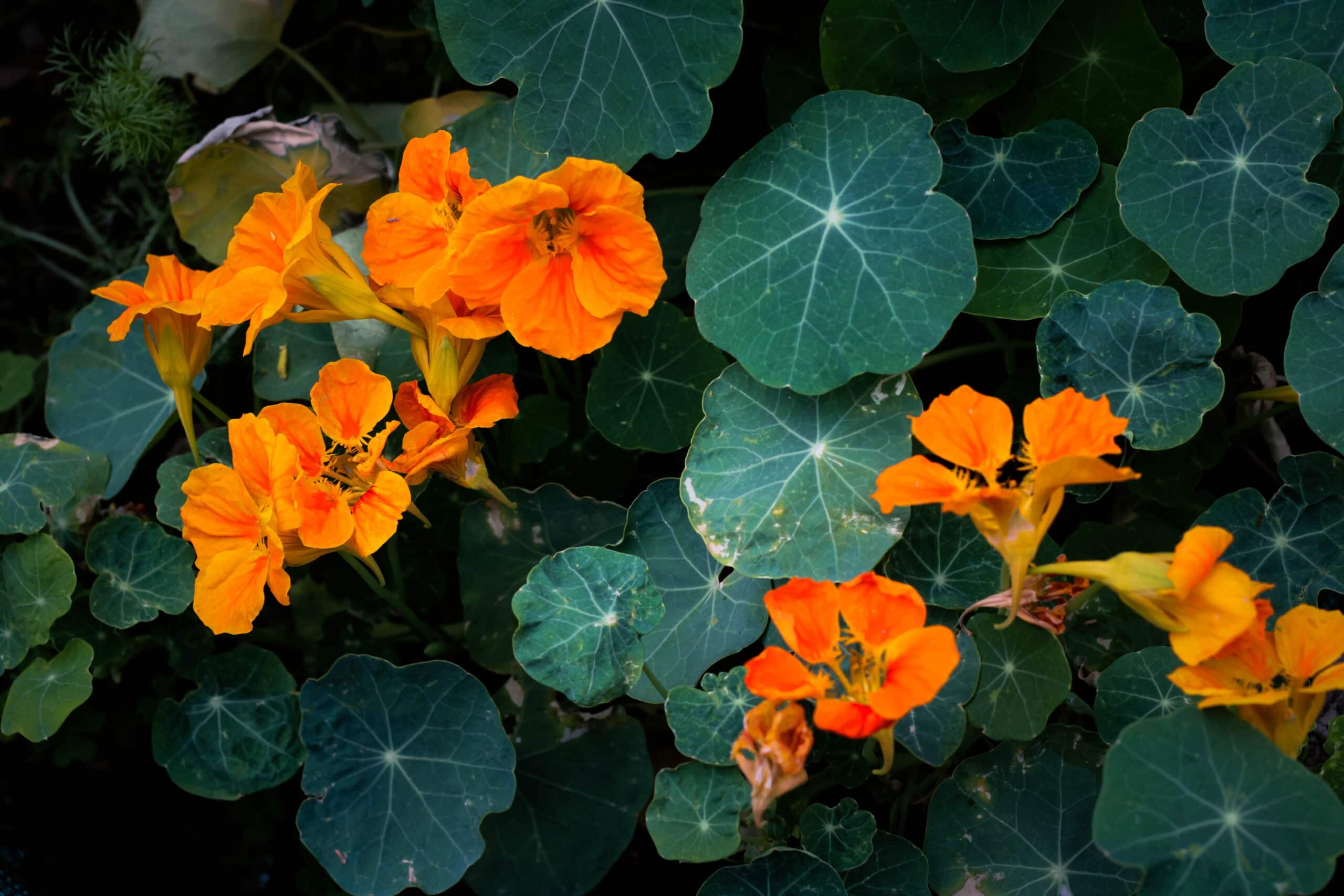
ToggleYou can eat the flowers and the leaves, the plant looks stunning in the garden, and it is the perfect trap crop; nasturtiums are the wonder plant that every gardener should be growing and a wonderful addition to your home vegetable garden.
I grow nasturtiums throughout the year in my garden, and they are an especially useful thing to have during the summer, as they attract all sorts of pests, saving my other plants in the process.
And it also helps that every bit of the plant is simply beautiful!
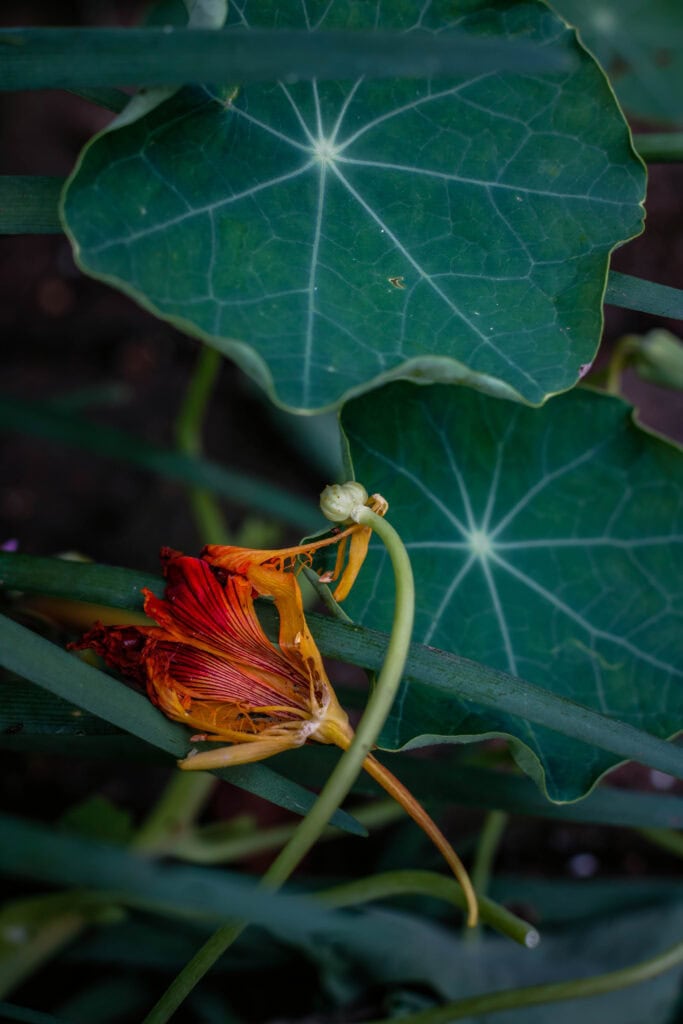
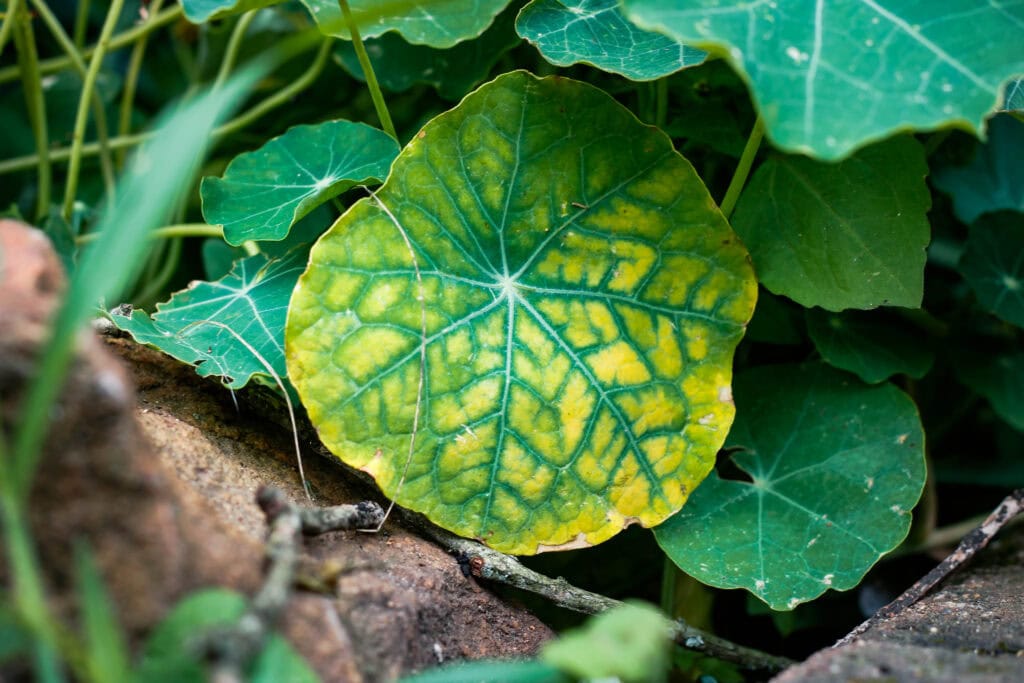
The leaves are round discs, with intricate veins, and when it rains, the droplets stay intact on the leaf, rolling this way and that and shattering as more drops fall. The leaves also change colour, very slowly, as the parts of the plant age, turning from green to yellow, with the veins staying dark and showing through.
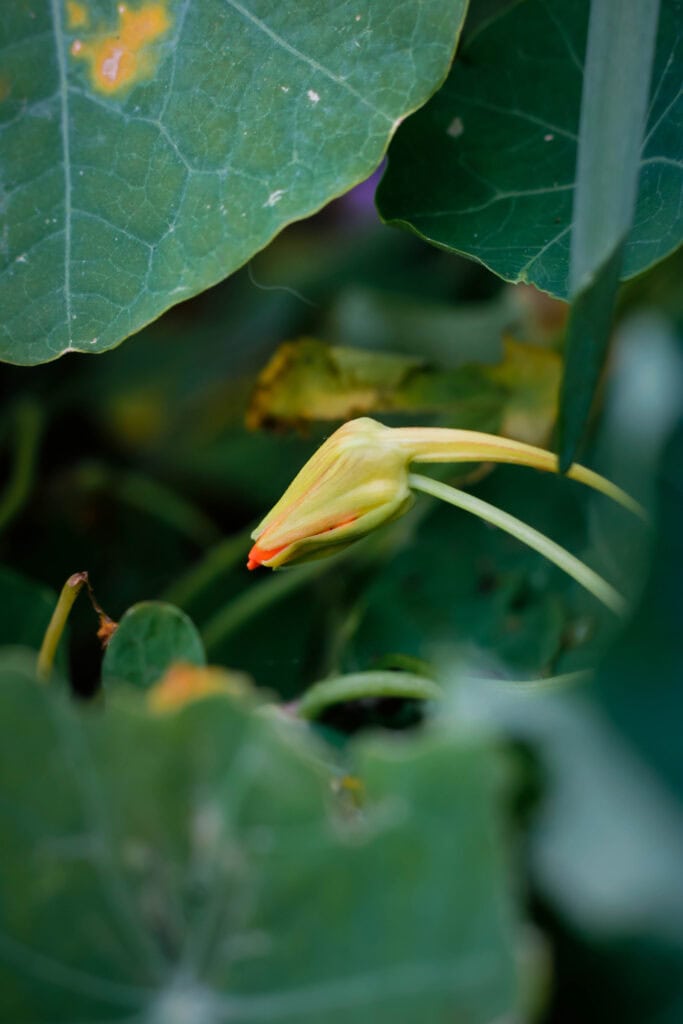
The flowers are gorgeous too. They look like little aliens when in bud form and have a very distinct smell.
Despite all of its beauty, this is one plant that you shouldn’t get too attached to.
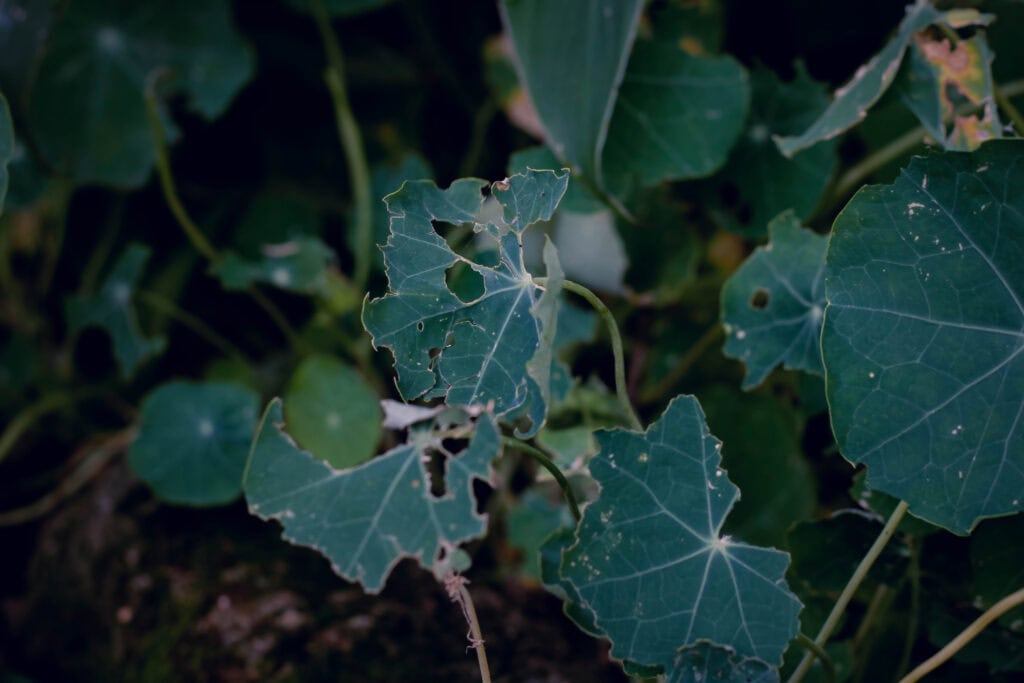
When the heat kicks in at the start of summer, your nasturtium is put to work, as every aphid and worm in creation is drawn to it, like a moth to a flame. By the time we reach the height of summer, your poor nasturtiums will have become a smorgasbord of treats for your insect population.
But don’t worry, nasturtiums spread their seeds pretty quickly and even when going to seed, with the right conditions, like a little afternoon shade, your nasturtium will carry on growing like the trooper it is.

Types of Nasturtiums
Nasturtiums are all the same, at least in their purpose. All of the varieties are useful trap crops and for the most part, they will all taste about the same.
Where they differ is their looks. And this is where gardeners get to have a whole lot of fun.
Nasturtiums belong to the Tropaeolum family and there are some 80 different species, some of which are perennial, but most if not all of the nasturtium seeds you get in South Africa are annuals.
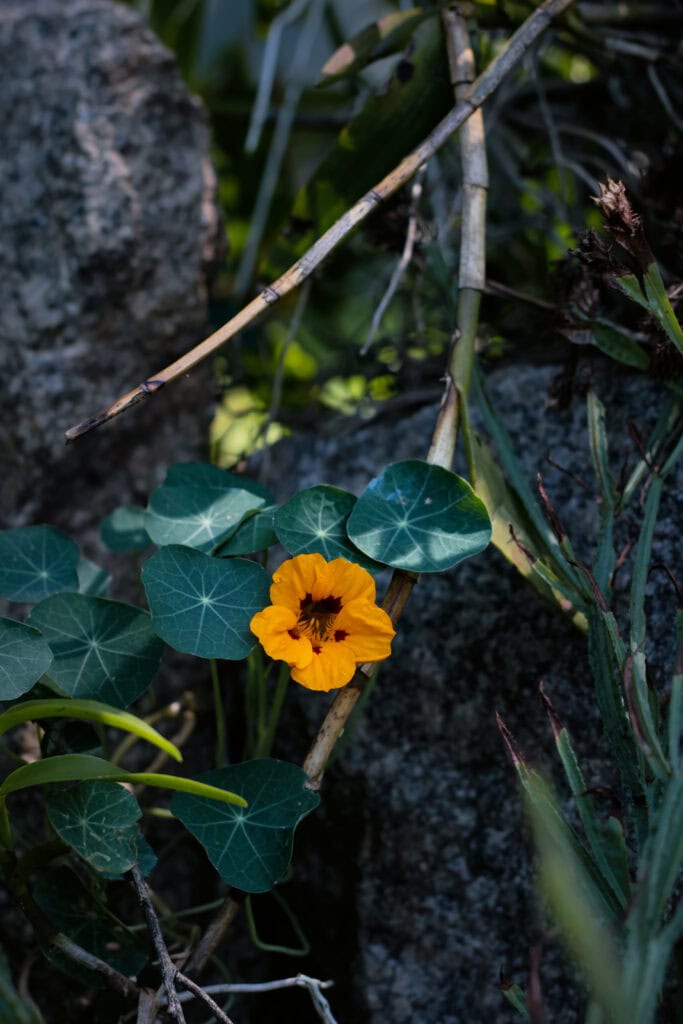
The variety of nasturtiums suitable for the gardener come in a range of colours, and that includes both different colour leaves and flowers.
Aside from colours, you also get a bushy variety and a trailing variety which is often called a climbing nasturtium (although they don’t climb on their own). Bushy varieties tend to stay small and compact while the trailing variety will go wild, it will grow big and spread itself out.
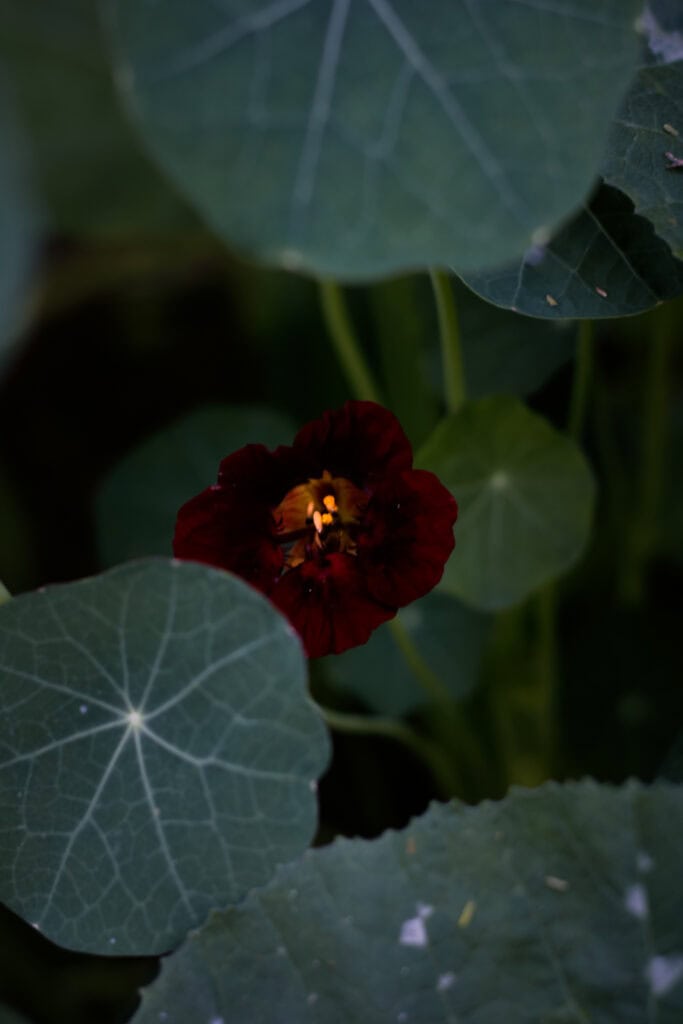
Popular, and truly beautiful, nasturtium varieties include Alaska, Tall Climbing, Ladybird, Ice Cream Sundae, Black Velvet, Cherry Rose, and Jewel Choice.
Generally, nasturtium seeds are sold in mixed packets, so you never quite know what you will get. I buy the tall climbing mix and have been delighted to have a Black Velvet nasturtium pop up!
Sowing
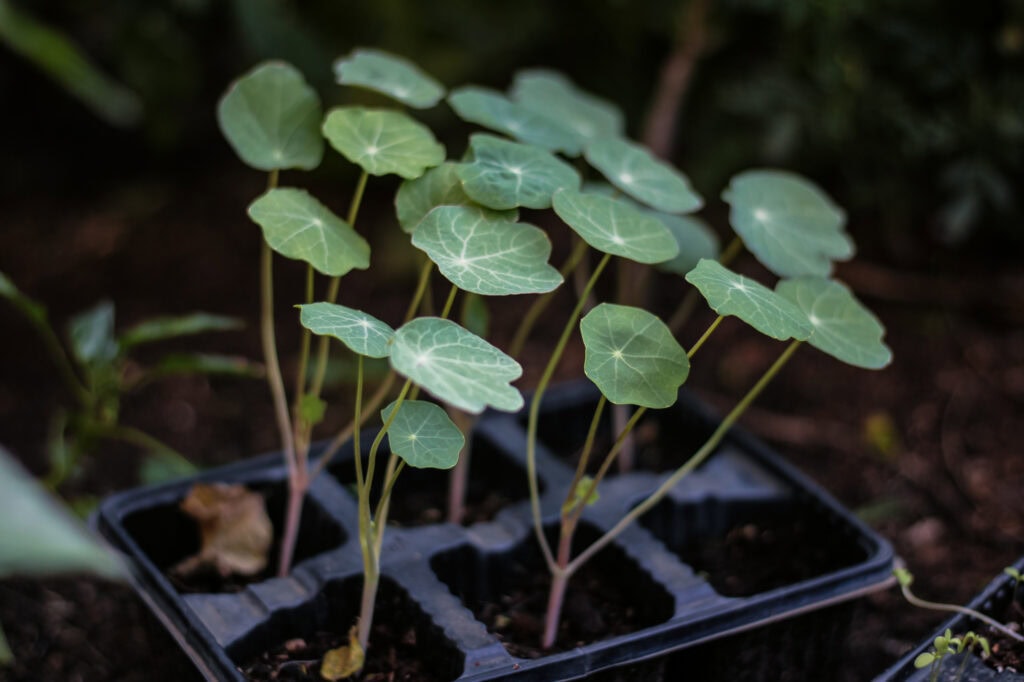
Nasturtium seeds are big, round and rippled; to me, they look like tiny brains.
In my experience, nasturtiums can take quite a while to germinate and I have had one or two frustrating moments trying to grow these plants.
Nasturtium seeds are large and have a tough outer shell. To give them a good start, you can try soaking them overnight in lukewarm water. This softens the seed coat, helping them germinate more quickly.
Personally, I have not tried this method, I usually just plant them straight out of the packet and hope for the best.
Since the seeds are quite big, you can push them deep (about 2cm) into the soil of your seed tray (you can use your preferred seed starting mixture and a couple of your usual seed trays). Sow one seed per tray and keep the soil moist.
You can also directly sow the seed, although there’s always the risk that a critter will eat the seed since it is edible. Direct sowing is often recommended, as nasturtiums supposedly dislike being transplanted. I have, however, successfully transplanted seedlings so you shouldn’t worry too much about transplanting. Just remove the seedling whole, with its roots in the soil.
If you are direct sowing, sow the seeds about 2-3 cm deep and about 20 cm apart. If you’re planting directly into containers, just make sure that you give your plant plenty of space to trail or bush out.
Seed trays can be kept in a warm spot, and if you are planting directly, you can do so in full sun, though they can tolerate, and in my experience here in the Lowveld even benefit from having, a bit of shade.
Keep your soil evenly moist until the seeds germinate, this will usually happen within 7-14 days.
When planting out your seedlings and when direct sowing pick a spot with well-drained soil. Nasturtiums are quite hardy and will even flourish in less-than-ideal soil.
Growing
Once established, nasturtiums are drought-tolerant and require minimal care. They do their thing even if they are neglected, a characteristic that makes them perfect for gardeners of all skill levels.
Since nasturtiums are trap plants, prepare to have them take a bit of a beating during the intense summer months. Unless you have a huge bug infestation, your plant won’t die, but it will get a munched on look and don’t be surprised to find worm poop all over the leaves.
To minimise the bedraggled look, make sure that you plant more than one, so that your bug visitors spread themselves out.
Even on the hottest day of the year, nasturtium plants generally look fresh and undisturbed. They need only a little bit of water every now and then and will continue to bloom for months or, if you are in a frost area, they will bloom until the first frost.
If you want to give the plant some attention, you can deadhead the old flowers to encourage continued blooming, but make sure that you let a few seeds (which appear when a flower dies, in little bunches of 2 or 3) mature if you’d like to collect and sow them next season. When you have collected your seeds, let them dry out fully before you store them.
If you are in a frost-free area, you can leave the seeds to fall and germinate beneath your current plant. This way, you will always have a nasturtium.
On a side note, nasturtiums grow beautifully in containers (pots) and hanging baskets. Trailing or climbing nasturtiums in particular look amazing when they fall out of the basket and drape over the edges.
Companion Planting
While I think the nasturtium is a stunning garden flower and a wonderful way to add colour and character to garden beds and potager patches, they are “working” plants. They are basically a sacrificial plant.
Nasturtiums are absolute magnets for pests like aphids, whiteflies, and squash bugs. They lure these garden nuisances away from your precious tomatoes, cucumbers, and brassicas. The good thing is that nasturtiums are resilient and can handle a few unwanted guests without completely dying.
Aside from attracting pests, nasturtiums are irresistible to bees, butterflies, and other helpful insects. By inviting these pollinators into your garden, nasturtiums ensure your veggies and fruits get the attention they need to grow strong and plentiful.
Nasturtiums are also spectacular, albeit large, groundcovers. Both the trailing and the bush variety spread out like a living mulch, keeping weeds at bay and helping the soil retain moisture.
Harvesting
Nasturtiums don’t just help your garden, you can eat them too! The leaves and flowers have a peppery taste and can be added to salads. The seeds can be pickled as a substitute for capers.
I also use the leaves and flowers in small bouquets around my home. I cut the leaves and flowers close to the base of the plant and they stay fresh for up to 3 weeks.

Growing Nasturtiums from Seed in South Africa Q&A
- Where is the best place to plant nasturtiums?
The best place to plant nasturtiums is in a sunny spot with well-drained soil. They also tolerate partial shade but produce more flowers in full sun. - Is nasturtium an annual or perennial?
Nasturtiums are typically grown as annuals in most climates, including South Africa. However, in frost-free areas, they may grow as perennials and self-seed readily. - When to plant nasturtiums in South Africa?
Plant nasturtiums during the spring and early summer months (August to November) for the best results. In frost-free areas, they can be planted year-round. - Do nasturtiums like pots or ground?
Nasturtiums thrive in both pots and the ground. Pots are ideal for smaller spaces or if you want to control growth while planting in the ground allows them to spread and climb freely. - What is nasturtium in Afrikaans?
In Afrikaans, nasturtium is called “kappertjie.” - How much water do nasturtiums need?
Nasturtiums require moderate watering. Keep the soil slightly moist but avoid overwatering, as they prefer slightly dry conditions once established. - Can nasturtiums grow in poor soil?
Yes, nasturtiums can grow in poor, sandy, or rocky soil. In fact, nutrient-rich soil can result in more leaves and fewer flowers. - Are nasturtiums edible?
Yes, nasturtiums are entirely edible. Their leaves, flowers, and seeds are commonly used in salads and as garnishes for their peppery flavour. - Do nasturtiums attract pollinators?
Yes, nasturtiums attract bees, butterflies, and other pollinators, making them excellent companion plants for vegetable gardens. - How do I prevent pests on nasturtiums?
Nasturtiums are generally used to attract pests from other garden plants and they can attract aphids and caterpillars. If you want to protect the plant, you can use natural methods like spraying with neem oil or introducing ladybugs for control. - How fast do nasturtiums grow?
Nasturtiums germinate quickly, usually within 7–10 days, and can begin flowering in as little as 6–8 weeks after planting. - Can nasturtiums climb?
Yes, climbing or trailing varieties of nasturtiums can be trained to grow on trellises, fences, or walls, adding vertical beauty to gardens. - Do nasturtiums need fertilizer?
Nasturtiums generally do not require fertilizer. Over-fertilizing can lead to excessive foliage growth with fewer flowers. - How do I harvest nasturtium seeds?
Nasturtium seeds can be harvested once they dry on the plant. Collect them, let them dry further, and store them in a cool, dry place for future planting. Seeds that have dropped off the plant can be left to dry before being stored away. - Are nasturtiums good companion plants?
Yes, nasturtiums are excellent companion plants for vegetables like tomatoes, cucumbers, and beans. - Can nasturtiums grow indoors?
Yes, nasturtiums can grow indoors if placed in a location with bright sunlight or under grow lights. - How do I prune nasturtiums?
You can regularly remove dead or damaged leaves and spent flowers to encourage new growth and prolong the blooming season. - Do nasturtiums reseed themselves?
Yes, nasturtiums are prolific self-seeders. They often come back year after year in gardens, even if grown as annuals. - How do I use nasturtiums in the garden?
Nasturtiums can be used as ground cover, climbing plants, or in hanging baskets. They add plenty of colour and they look spectacular. - Are nasturtiums drought-tolerant?
Once established, nasturtiums are relatively drought-tolerant and can grow happily with minimal watering.

Thank you for this awesome nasturtium blog!
Really love your site
I am glad you like it 🙂