
 Leigh-Anne Harber
Table of Contents
ToggleEdible gardens shouldn’t be a trend; they should be the norm.
If you have a space, even if it is not the biggest garden, adding a few vegetables and herbs between your annuals, perennials, trees and shrubs is a great way to make the most of the garden without turning it into a monoculture playground, where the vegetables are planted in neat little rows and the flowers are just about non-existent.
When growing an edible foodscape, you can also discreetly hide your vegetables, making it a great gardening technique if you have a mean landlord who won’t let you create your own veggie patch, or if you are like me and you just love an intermingled garden.
For me, there’s nothing as beautiful as seeing flowers blooming amongst my vegetables. I love to sit in the garden in the morning, before the chaos of the day starts, watching the bees, birds and insects visiting the plants. It is the sort of serenity everyone should aspire to create, especially as life is so unnecessarily busy.
You Can’t Eat the Grass
It is the name of one of my favourite YouTube channels, and it is a saying I often tell new gardeners who are hesitant about throwing out the norm and creating something new.
Yes, grass is great, you need some if you have pets, and it can give you a bit of order, but you should never worry about removing some of your ornamental features and replacing them with food plants. You might not think it, but there are plenty of herbs and vegetables that are absolutely beautiful and make for a stunning addition if placed in your landscaping in just the right way.
Plants to Add to Your Edible Foodscape
A foodscape needs foods, but it also needs a good helping of ornamental plants, particularly perennials.
Vegetables
The selection of vegetables that you can add to your foodscape is nearly endless. Anything goes in a garden like this, but you must give some thought to where you will plant your veg and how they will look when intermingling with ornamentals.
Easy-to-Grow Options
Lettuce, radishes, and zucchini are ideal for beginners because they have fast growth and require minimal care.
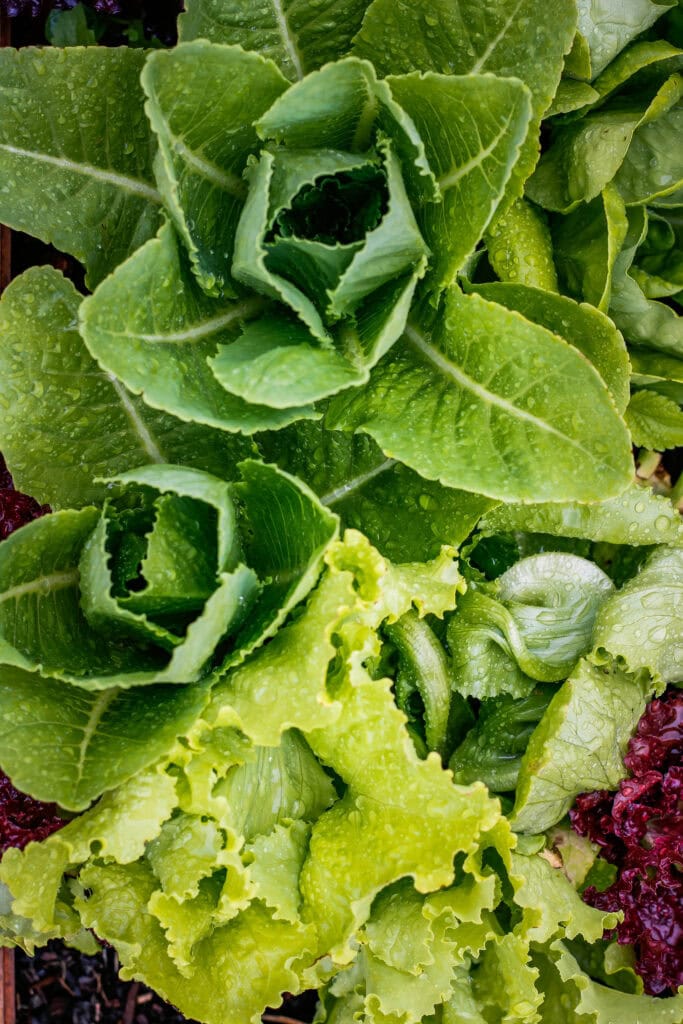
Lettuce thrives in partial shade, radishes mature in as little as 20 days, and zucchini produces abundant yields with regular harvesting. I like to grow lettuce in boxes all around the garden, and I grow a salad mix that includes different leaf shapes and all sorts of colours. The boxes, made of wood, are placed between flowers to give the garden some structure. It also allows me to plant the lettuce compactly, which ensures that the plants don’t dry out or get overcrowded.
Visually Appealing Choices
Remember what I said about making a beautiful garden? Some veg can be really pretty and lovely to look at.
Rainbow chard, which comes in red, yellow, and green stems, adds a pop of colour to any garden bed. Purple cauliflower and sprouting broccoli boast a striking hue and are rich in nutrients, making them both a visual and nutritional standout in a winter garden. And adding different varieties of colourful lettuce, tomatoes, and pumpkins can also make your garden look spectacular.

Easy-to-Grow Fruit Trees and Bushes
Fruit trees and bushes are a worthwhile long-term investment, even if you are renting, in which case you can plant them in biggish containers which you can move when the time comes.
Dwarf apple trees, such as ‘Gala’ or ‘Fuji’ varieties, fit well into compact yards or containers, and they will give you full-sized fruit.
Lemon trees and olive trees can also be grown in pots, certain varieties at least, and they will add a stylish element to your space as well.
Blueberry bushes, like ‘Top Hat’ or ‘Sunshine Blue,’ thrive in pots and will produce delicious berries with minimal space.
Raspberries, available in everbearing varieties like ‘Heritage,’ will give you consistent harvests year after year.
Strawberries, such as ‘Albion’ or ‘Seascape,’ are low-growing perennials perfect for groundcovers or edging, and they, too, will give you plenty of sweet fruit throughout the growing season.
Herbs
What is a garden without herbs? Herbs make a wonderful border for your garden, and the fragrance is absolutely delightful on hot or rainy days.
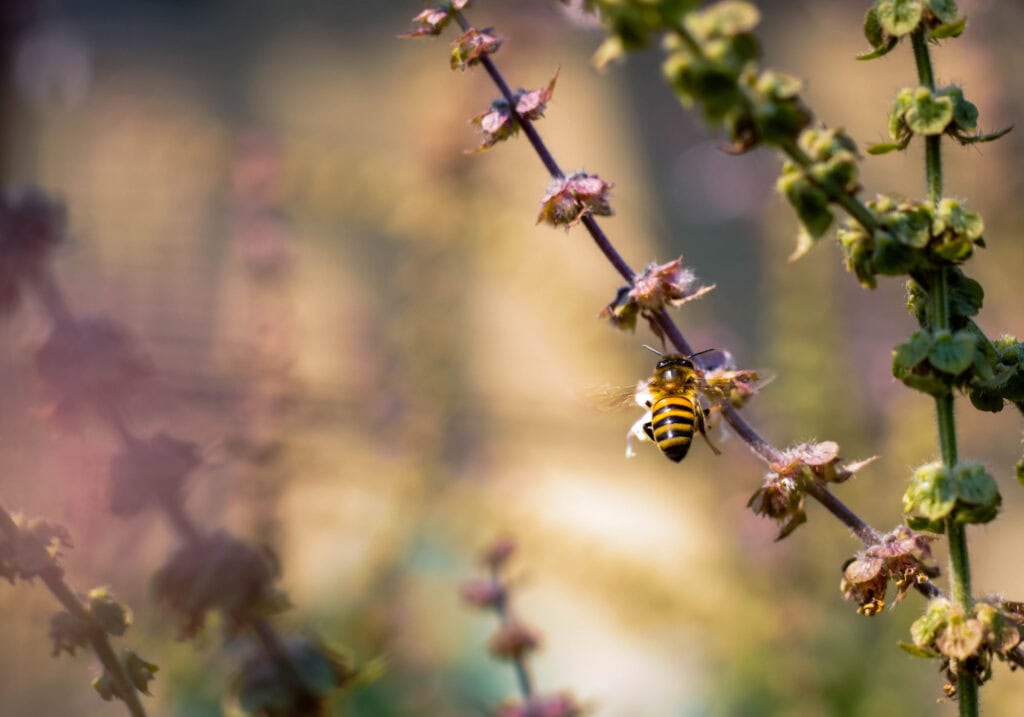
Basil, with its lush green or purple foliage, looks beautiful in the garden, and it tastes delicious. You can grow culinary basil and its various varieties, such as Large Leaf Italian Basil, and Holy or Dark Opal Basil.
Thyme, a low-growing herb, can be grown as a groundcover (Creeping Thyme) or as a big bush on the edges of your garden beds.
Rosemary, with its upright or trailing forms, is a garden must as it can both add structure and fragrance to foodscapes, and it is drought-tolerant and easy to care for.
Mint is another great addition. Grow it in a pot if you don’t want it to take over completely.
Dill is also a good option. Its delicate flowers and leaves, which grow upright, are a lovely thing to look at.
Lavender is not everyone’s favourite scented herb, but it attracts bees and butterflies with its purple blooms and soothing scent, making it a garden favourite.
Chives, with their edible purple flowers, also support pollinators while adding a mild onion flavour to your meals.
And as a South African gardener, you simply have to grow African Blue Basil. It is a hardy perennial that thrives on neglect and very little water. It grows and flowers year-round in most places, and it is a bee magnet. It grows into a huge bush in very little time, and you can propagate new plants by taking cuttings, rooting them in water and then planting them out.

Edible Flowers
Nasturtiums are a must, and they are so easy to grow. They come in a range of colours, including bright orange, yellow, and red, and both the leaves and blooms have a peppery flavour.
Calendula, known as pot marigold, will give you golden petals that brighten gardens and plates during the winter. These flowers can also be used to make tinctures and salves.
You can also grow Borage, which has star-shaped blue flowers and has a cucumber-like taste.
Ornamentals
The ornamental plants you grow between your veg in your foodscape can be a mix of perennials and annuals.
I like perennials because they are low-maintenance and always there. I grow cannas, irises, lilies, strelitzias, roses and yesterday, today and tomorrow.
I also grow a variety of annuals like marigolds, nigella, petunias, strawflowers, sweet alyssum, zinnias, sunflowers, snapdragons, and celosia.

Tips for Growing a Productive Edible Foodscape
When it comes to creating your perfect version of an edible garden, there are no rules because there is no right way or wrong way to lay out your garden. But there are some ways that you can make the space more functional and easier to care for/harvest from.
- Go Low Maintenance
One of the greatest reasons why we love our gardens is that they are usually low-maintenance. Plant a few perennials, like agapanthus, various irises and cannas, as well as a few evergreen shrubs, and you never need to worry too much about care.
You want the same kind of ease with your edible garden.
Start off by experimenting with a few areas of your garden and a few easy-to-grow veg, like chard or basil. See what works in your garden and what doesn’t. Once you get into the swing of things, you can add more vegetables.
Part of your low-maintenance approach is to put in some form of irrigation. Watering by hand is fun, but after enough hot summer days, you are not going to have much motivation to get out there. Having drip irrigation that you can attach to a rainwater tank will save you time and money.
- Work with Dwarf Veg
If you want some order amongst your chaos, you should grow compact, dwarf sized vegetables.
Quite as advertised, dwarf veg stay small and compact, making them not only ideal for small spaces and containers, but also for fitting between bigger plants to maximise your space.
You can find all sorts of dwarf veg, including all of the favourites like tomatoes, eggplants, and even butternut.
You can also grow dwarf fruit trees.

- Prep Your Soil
It is the most basic step in any garden, but it is often a part of the process that is just about completely overlooked, or at the very least, badly neglected.
The soil is your foundation for any garden, no matter if it is big, small, or in containers. If you put the effort (and a little money) into the soil, you’ll reap the rewards of a more productive crop, with fewer problems and less stress.
You can’t go wrong with plumping up your soil with a good amount of compost and some slow-releasing fertiliser. I prefer the organic option from Wonder Grow, but there are other options too. If you apply the fertiliser at the start of the season, you will only need to do additional feeds here and there throughout the season.
When I am prepping a new garden bed, I use layers, like a garden lasagne.
I start with sticks, small branches, leaves, and any other garden refuse I can find. I place a 20 cm layer of that, followed by soil, and then a decent amount of compost mixed with my preferred slow-release fertiliser. I water each layer, leave it a day or two to settle, and then I plant.
I started doing this method in my slightly raised veggie gardens, but I have also started using the method for other garden beds, although it is more effort.
- Mulch, and Mulch Well
I am crazy about mulch.
Living in such a harsh climate, with winter nights sometimes going below freezing and summers just being unforgivingly hot, mulch not only helps to regulate the temperature of the soil, but it also keeps the soil moist for longer between waterings.
I use hay mulch, which I can buy in bales or by the bag, and I love to use the leaves that fall during winter.
The mulch breaks down, but that’s part of the fun. When the next season starts and the plant beds need a refresh, I simply place a decent layer of compost on the top of the breaking down hay or leaves, add more mulch on top of the compost, and then plant when I need to.
Mulching is also a great way to feed the soil, with no effort and for free.

- Add Hedges
Rosemary, lavender, Natal Num Num, shrubs of blueberry bushes, and anything else that shrubs can provide food, whether for you or the bees, is a wonderful thing to have in the garden. Grown in hedges, these plants also act as a living part of your landscape design.
And when the rains come, I promise, your garden will smell heavenly!
If you are working with a tight budget, but you already have a rosemary or lavender bush, you can take cuttings quite easily and propagate new plants at no cost.
- Make it look pretty
We often overlook beauty for productivity, and personally, I find that sad because one of the biggest reasons why we cultivate a garden of any kind is that we want to create a beautiful space.
If your garden is well laid out and includes some decor, plenty of flowers, and a comfortable place to sit, you will spend more time in the garden, and you will also enjoy looking at the space.
When a garden is just rows of veg, it lacks character. A functional foodscape can also be a beautiful one, so don’t be shy about adding a dash of your personality to it.

Your foodscape can be the start of your garden of groceries, and along with giving you plenty of healthy, delicious things to eat, it can also become your sanctuary when the world gets too hard.
Start small and experiment as much as you can, and you’ll get the hang of creating and maintaining a foodscape you’ll love.
Happy Foodscaping 🥕👩🏼🌾
