 Leigh-Anne Harber
Table of Contents
ToggleI like to spend some time on the weekend browsing plants.
Somewhere during my Saturday or Sunday morning trip into town to get a few things (and to force myself off the farm, or else I would just never leave), I usually pass a nursery or two.
I’ll go in and browse the selection and then imagine what I would do with some of the plants.
The roses, in particular, always lure me in, especially in spring when they are blooming, and I always stop at the shrubs and the trees.
There are just so many beautiful things, and while I would love to pack my car with as many as I can carry, I have to make peace with the fact that my budget can only fit in a few plants a month.
Plants are expensive and for good reason.
Once a plant gets to the size that you see in the shops, those bigger plants, at least, they are a couple of years old already.
A lot of time and effort, and resources, have gone into getting the plant to that size, and it is ready to go in the ground, with minimal chance of you killing it (unless you are like me and you forget to water it while waiting to plant it out, and stunt it a little).
If you, like me, are just not able to load up a trolley with all of those beautiful plants you see in the nursery, you do have an alternative option to get plants…and it’s free.
Being able to get free plants for your garden is not some kind of clickbait.
It is more than doable, and the only price you’ll have to pay is time. The various methods used to get free plants won’t have you instantly holding a fully grown, ready-to-go-in-the-ground plant, but if it is a hugely rewarding process, regardless of the method you choose.


Grow Your Own from What You Have
One of the easiest ways to multiply plants is through propagation, using parts of existing plants to create new ones.
This hands-on method requires minimal tools, and within a couple of weeks, if all goes well, you’ll have a bunch of plants, ready to go into the ground or into pots.
This is how to grow new plants from what you already have in your garden:
Taking Cuttings
Roses, hydrangeas, geraniums, some herbs like basil, rosemary, mint and lavender, succulents, all sorts of perennials like Sheena’s Gold, and some vegetables, like tomatoes, can all be grown from a cutting, generally taken from a soft stem or, in the case of succulents, from a leaf.
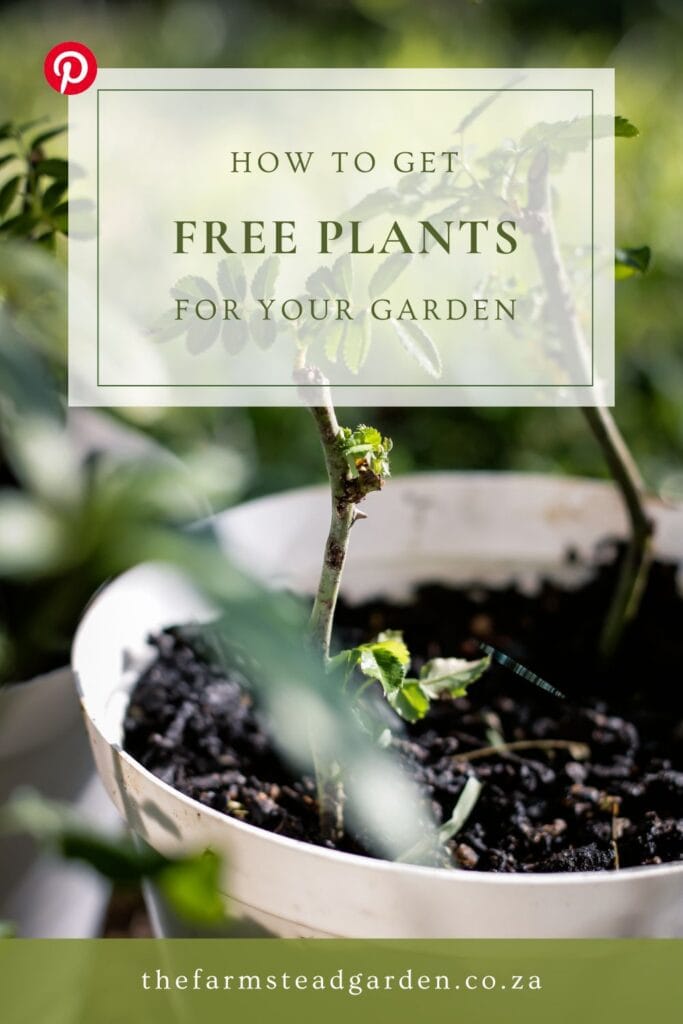
Using sharp shears, the cutting should be taken at an angle, and then rooted them in water or soil, and transplant once established. The cutting must be placed in a spot where it’ll get enough light. I often just use a windowsill.
Saving and Sowing Seeds
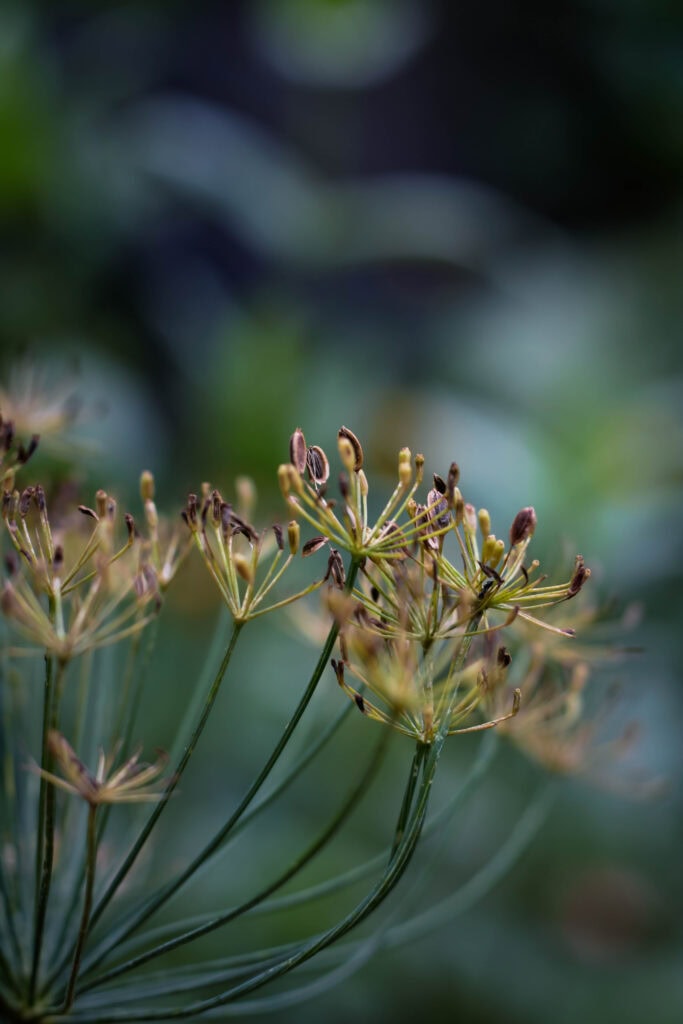
Planting seeds is the most common way to get new plants, and it can be the most practical and economical, too.
A single pack of seeds or a single dried-out flower head will give you hundreds of seeds, which you can grow in a space that can be far smaller than the space you’d need for cuttings.
You can collect seeds from mature flowers, vegetables, or herbs in your garden or from organic produce from the shop. Some of the best butternuts I have ever grown were from a shop-bought butternut.
If you are collecting seeds from your garden, make sure that you dry and store them properly.
Dividing Perennials
This method is a slow one that will take a year or two, because perennials take quite some time to multiply. But once they do, they can become overcrowded, which can stunt their growth but will also give you plenty of free plants.
You can dig up overcrowded plants like hostas, daylilies, agapanthus, cannas, strelitzias, dahlias, irises, some ornamental grasses, elephant ears, sea holly, geranium, aster, crocosmia, arum lily, salvia, sedum, and anemones, split them into sections, and then replant them with plenty of compost.
Your summer flowering plants can be divided in the autumn or spring. This will give them time to settle in and be ready to grow and bloom during the next flowering season.

Regrowing from Kitchen Scraps
I love spring onions, and I stopped having to buy them once I started sprouting new plants from my scraps (which had tiny roots). I’ve also grown all of our garden potatoes and sweet potatoes from shop-bought ones that had started to grow shoots or which I had sprouted.
Aside from spring onions, you can sprout potato eyes, whole sweet potatoes, pineapple tops, celery bases, and other onion roots by placing them in water or soil.
Encouraging Self-Sowers
Letting plants like zinnias, sunflowers, marigolds, or tomatoes “volunteer” by self-seeding in your garden, and then transplant the seedlings into your desired spots, is about the easiest way to get free plants.


Share and Swap with Others
Plant swapping events are a great way to build connections and friendships with fellow gardeners, and they can lead to a steady supply of free plants.
You don’t necessarily have to join an official plant swap event to partake in a swap, as there are other ways that you can swap and share plants.
You can start small by asking friends, family, and your neighbours about extra seedlings, cuttings, or divisions from those with established gardens. You can also offer to help with tasks like weeding in exchange for a couple of free plants. When you start to ask around, you’ll more than likely find that most people are quite happy to give.
When you are more confident, you can join a Gardening Club or an official plant swap group and then participate in local horticulture societies, permaculture meetups, or online communities for plant swaps, tours, and freebies. The Botanical Society of South Africa is a great group to be a part of, as you’ll be able to connect with gardeners in your area.
You can also look on Facebook, for local or online groups, and you can post your own “cuttings wanted” ads to attract like-minded minds.
Try Some Opportunistic Sourcing
I am not telling you to steal plants, but I am telling you to respectfully take a few sneaky cuttings if the opportunity presents itself. And look for dried flower heads for seeds, because no one is going to bat an eye if you take a couple of those.
You can also keep an eye out for discarded plants in everyday places and then rescue them for your garden. I mean, they would die otherwise, so you are doing a wonderful thing by giving them a home…
Opportunistic sourcing can happen anywhere.
You can scout for plants left on sidewalks during landscaping cleanups, or you can even ask for end-of-season discards or clearance items from stores, nurseries, or after holidays. Nurseries might not give plants away, but they will often heavily discount them, which is almost like a freebie.
You can also contact companies, like landscapers, who might be removing plants from jobs, and ask if you can pick up shrubs or trees they’re discarding.
Finally, you can also do some responsible foraging for cuttings and seeds, but never, ever just walk onto a property and help yourself, especially with cuttings.


Tips for Success and Ethical Considerations
If you are looking for free plants outside of your garden, there are some things to keep in mind:
- You should always inspect the plants for pests or diseases before bringing them home.
- You should also always be polite and timely when requesting or collecting plants.
- If you are foraging or picking up plants from the roadside, ask before you take unless it is very obvious that you can take the plants, and try not to take invasive species.
- Start small and see what works in your climate.
- Finally, you can always request plants as gifts for birthdays or holidays to build your collection without spending a cent.
If you start with one or two techniques, your garden will flourish without breaking your bank.
Personally, I like the cuttings, seed starting and dividing plants options.
But I certainly won’t say no to free plants if they are left on the side of the road!

Good day hope you’d find these very interesting . Guys my name is Samuel Masha I’m interested in Farming and Gardening but I don’t have gardening accessories for my space as I’m unemployed . If there is anyone who can rescue me to fulfill my dreams please . Thank you
Good Day my name is Sarah Stoep I have a registered NPO one of our activities is to assist our community to plant home garden for vegetables we need assistance with seeds and tools please help us to meet community need