 Leigh-Anne Harber
Table of Contents
ToggleA summer staple that actually grows best in cooler weather, lettuce is one of the most recognisable leafy crops and something you can grow all year round in your very own home vegetable garden.
Lettuce is one of those crops that you can start harvesting before it is fully mature. Picking a few of the tender leaves from a few of your lettuce plants to add to your evening’s salad is a wonderful way to enjoy your lettuce before it is fully mature. The moment the plants have more than say 10 leaves, you can start picking. I like to grow stacks of lettuce in a container and then pick a few from each so that I don’t strip the plant to such an extent that it struggles to regrow.
As a salad staple, you can grow your lettuce close to most of your salad plants, like tomatoes and cucumbers. You can even grow it between your other salad plants, as lettuce tends to grow low to the ground and they also tend to stay compact. It also helps that lettuce is an easygoing plant and as such has plenty of companions.
If you want a plant that is rewarding, full of flavour, and will be something to brag about growing if you have guests over for dinner, lettuce is just what you need.

Types of Lettuce
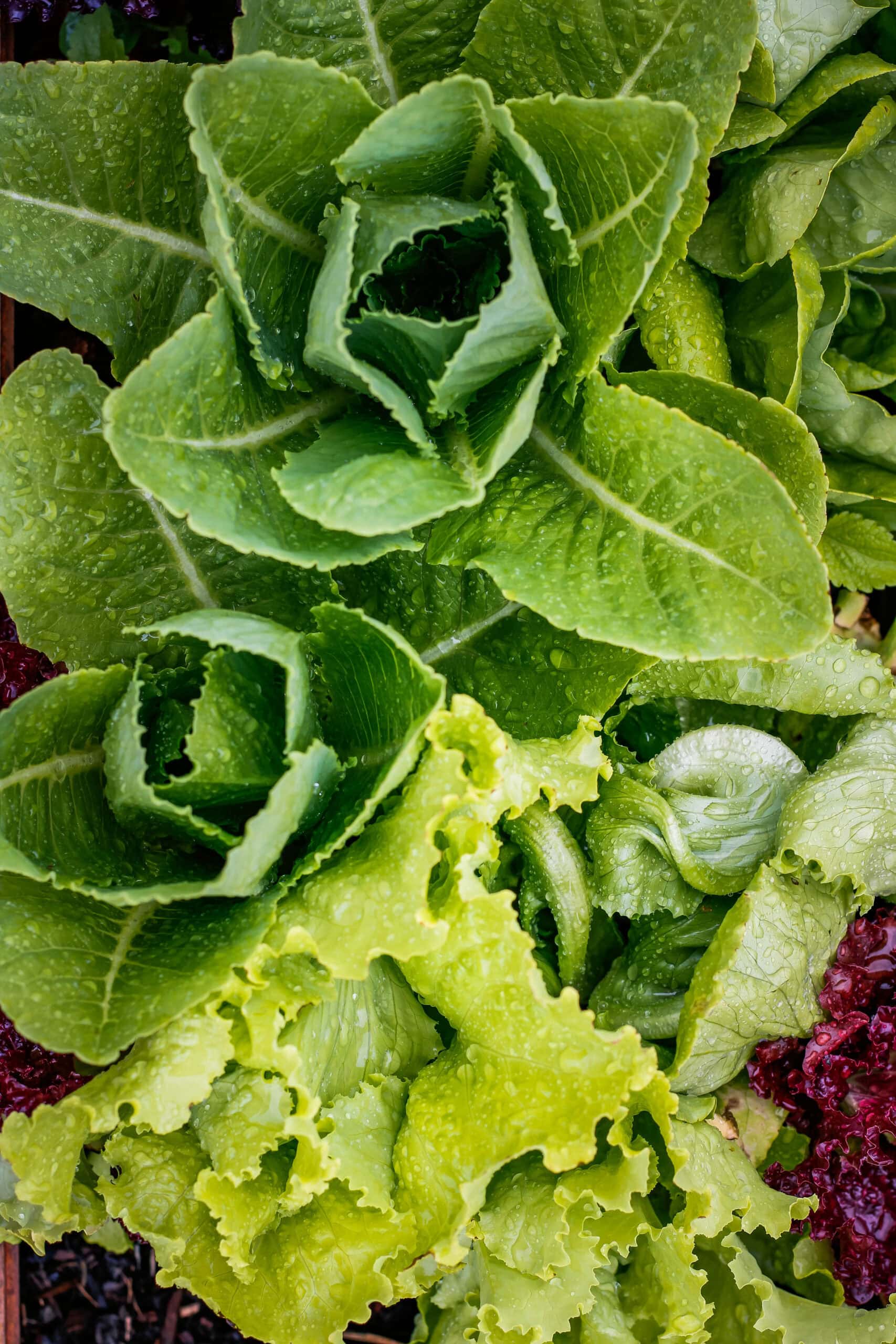
We’re all familiar with the famous iceberg lettuce, which is your typical lettuce. But when you are looking for varieties to add to your vegetable garden, you’ll be treated to a wide range that includes leafy lettuce that will never make a head, as well as all sorts of others that do make a head but which look absolutely nothing like the iconic iceberg.
Lettuce varieties are split up into 4 categories.
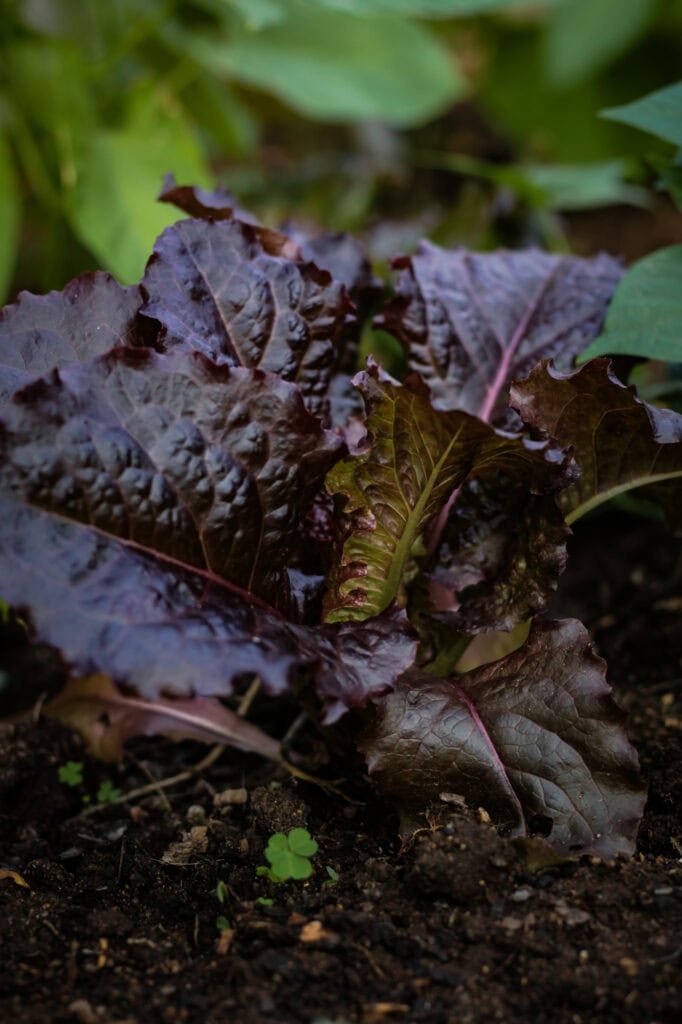
The first category is the Butterhead, my personal favourite. This variety is perfect for salads because they have soft leaves and an almost buttery texture, hence the name. The lettuce types in this category are also often sweeter and they make a nice cup-shaped leaf that can be folded (perfect to pack full of mince for a quick summer dinner!)
Popular Butterhead lettuce you can buy includes Butter King, Buttercrunch, Tom Thumb Lettuce, Kagraner Sommer, and Wonder of 4 Seasons. If you are buying from a general nursery, just look for a packet of seed called Butterhead.
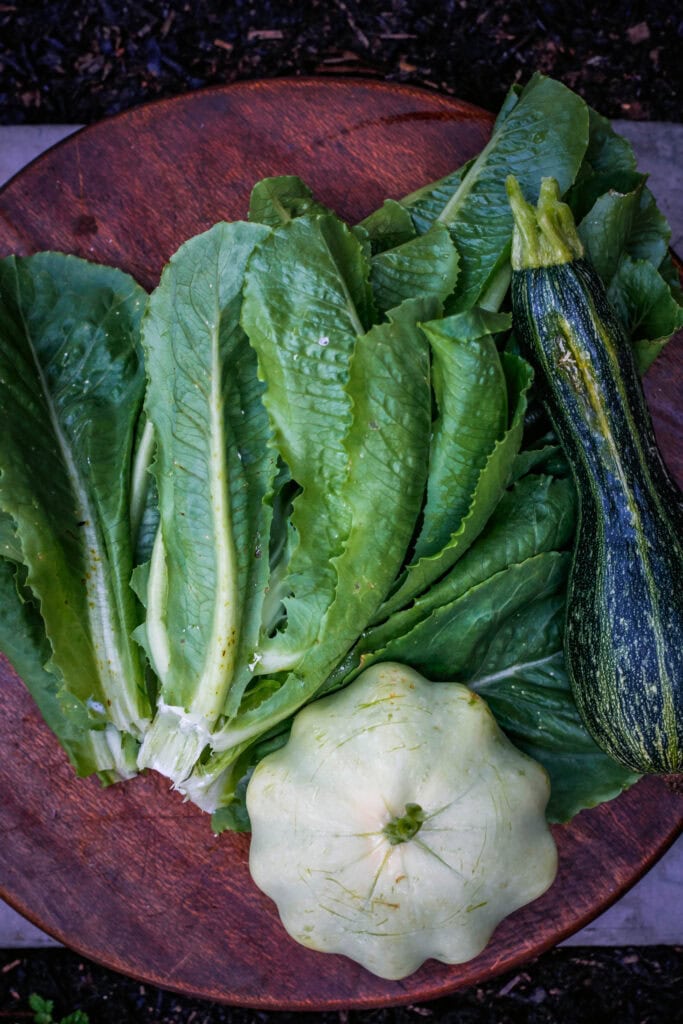
The next category of lettuce is called Cos or Romaine and it is what you could call a classy lettuce. Loved by chefs and those who take their lettuce seriously, the Cos lettuce is the ultimate salad ingredient because it is so light and tends to hold its crispness well after picking.
Some varieties from this category that you might like to grow include Little Caesar, Little Gem, Paris, Silvia, Vivian and Romaine Red.
Next we have the Crisphead. Everyone is familiar with this category. It’s the traditional Iceberg. Crunchy, full of flavour and it makes a tighthead when ready to pick, this category of lettuce is a family favourite. The downside of growing Crispheads, especially in summer, is that with higher temperatures, they won’t form a head and will instead turn bitter and bolt (go to seed). The Crispheads are best grown in Autumn, Winter and early Spring.
Interesting varieties within this category include the Great Lakes, Iceberg, Saladin, Sierra, Webb’s Wonderful and Michelle.
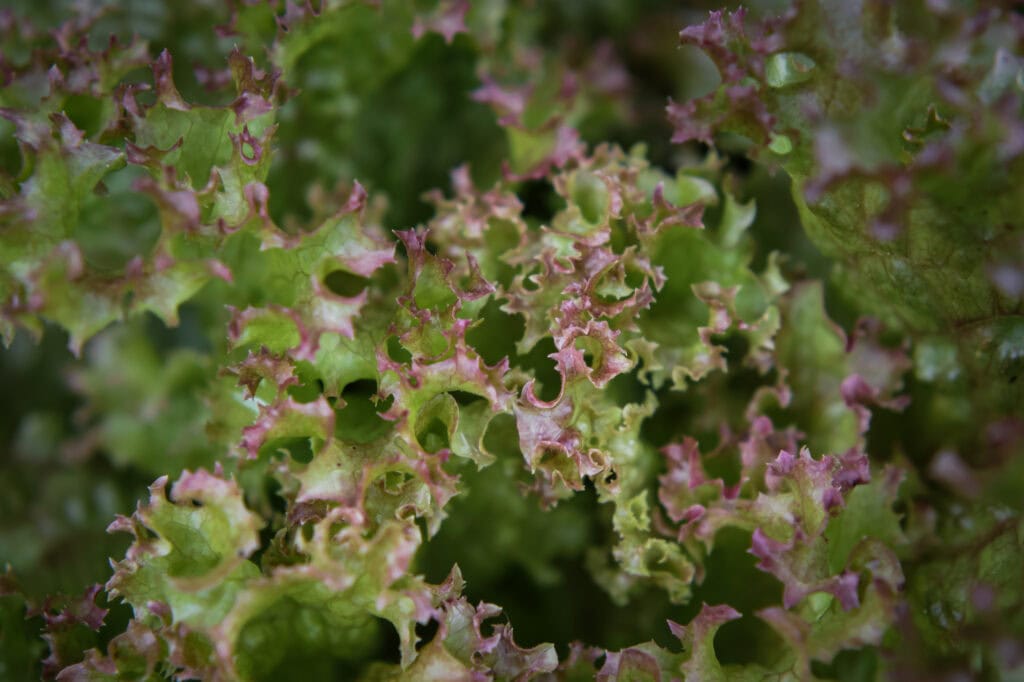
Finally, you have the Loose Leaves. These lettuce don’t form heads. Instead, as the plant matures, the leaves grow long and can be individually picked. They are a convenient lettuce and they take a long time to bolt, giving you a long picking season.
Some varieties you can put in your garden include Lollo Rosa, Oakleaf Read, Prizehead, Rossimo, Royal Oakleaf, Ruby Red, Salad Bowl Green, and Tango.
If you are like me and you like having plenty of lettuce options, go for a mixed blend. Its a great way to experiment with loads of varieties and a packet from Raw Living Seeds, for instance, which makes my favourite gourmet lettuce blend, has well over 200 seeds, so it is a cost-effective choice.
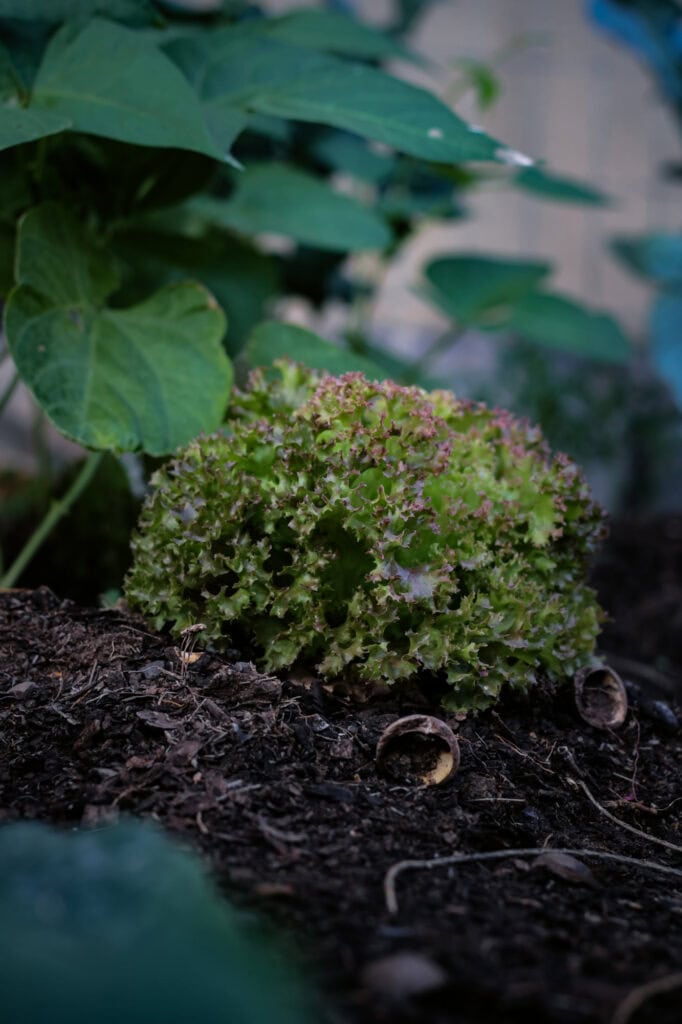
Sowing
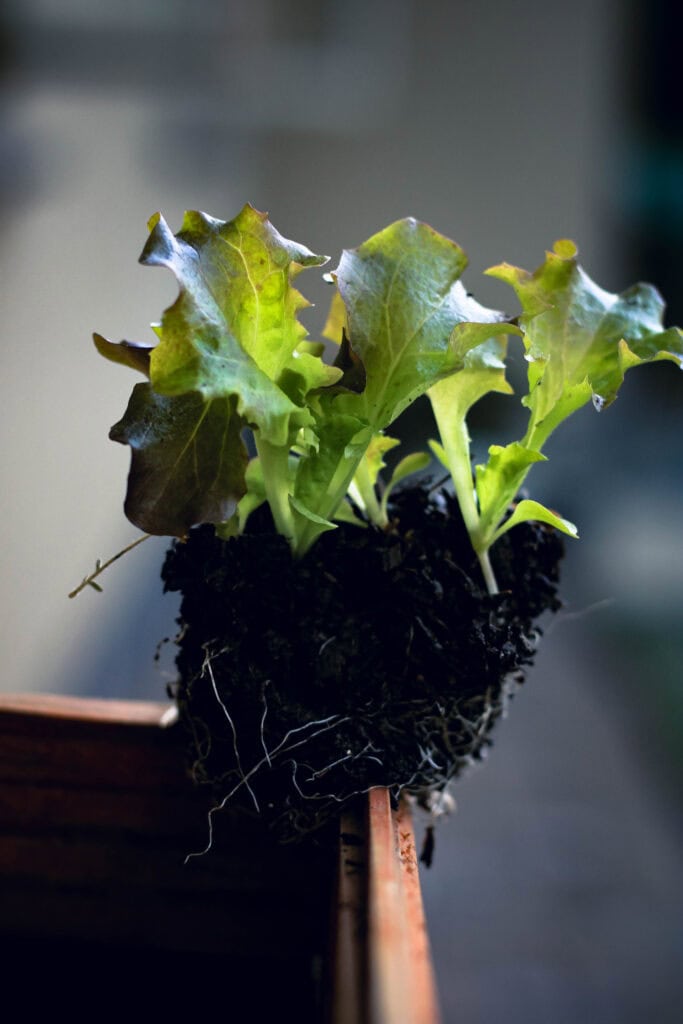
Lettuce are the kind of crop that enjoys being directly sown. Because the leaves can be delicate when the plant is young, transplanting doesn’t always lead to great success. That doesn’t mean you can’t transplant seedlings at all, it just means you need to be a bit more careful and a bit more on the ball with your watering.
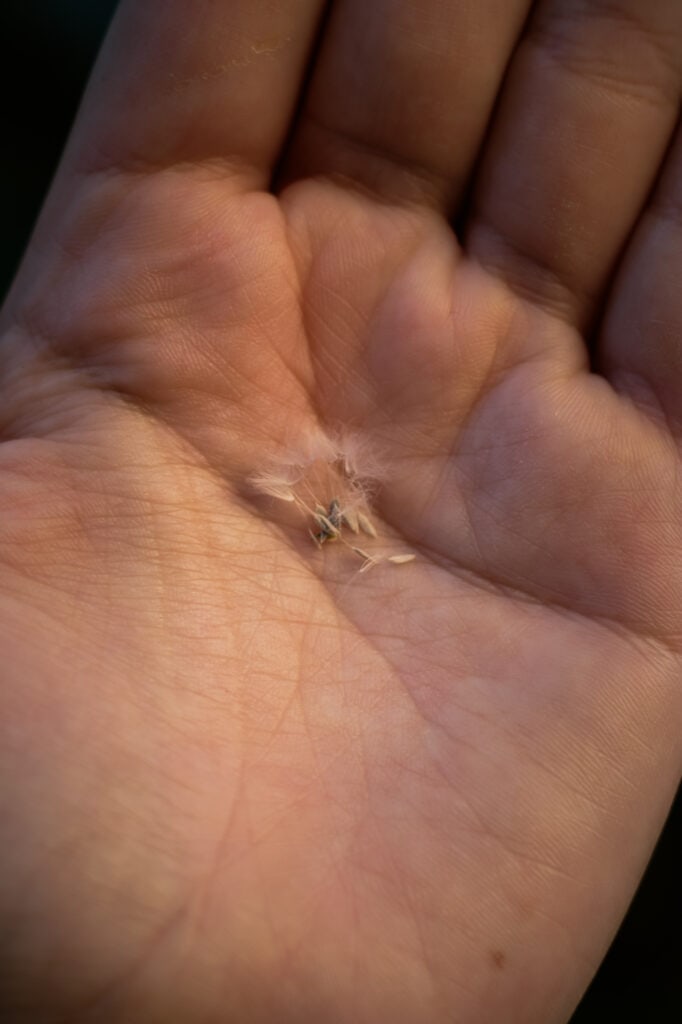
Lettuce seeds are tiny and flat. They come in different colours but unless the seed is pelleted, they are all the same size and shape.
Since they are such small seeds, you don’t need to sow them too deeply in the soil. Simply make a small indent, place the seed, lightly cover and then water. The best way to ensure germination is to keep the soil moist.
When direct sowing you can scatter the seed, something I have done to great success, or you can make neat lines and sow in rows. Check your seed packet for spacing recommendations or be like me, and just plant them about 5 cm apart (so they are not crowded but still quite close). I have had some amazing crops from tightly growing my lettuce and what’s more is that the closely growing plants suppress weeds and hold more moisture, which ensures healthy plants.
Soil Preparation
Both raised beds and in-ground gardens should be weeded, well composted and given some bonemeal, plant food, or a slow-release organic fertiliser before you either direct sow or transplant your seedlings.
You can add mulch to the beds when you have your lettuce seedlings established. This will help to keep the moisture in. If you have planted the lettuce closely together, once they start getting big, the leaves will provide enough shade to lock the moisture in.
These preparations will give your plants the best possible start once they get growing.
Growing
In warm conditions, lettuce sprouts after about a week and within 3 weeks they can be planted in a bigger area. Like I have said, my transplantings have given me mixed results. A day after transplanting a couple of really healthy seedlings, I came outside one afternoon to find them completely frazzled, despite them being given enough water. For this reason alone I prefer direct planting as the roots are better established and more capable of withstanding the temperatures.
Lettuce, once established, doesn’t need much care, just keep it well-watered, especially in hot weather. You can fertilise with a liquid fertiliser every 2 weeks to a month, to give it a boost.

Common Problems and Solutions
The biggest issue you are likely to encounter is bolting. Lettuce can be temperamental once the heat of summer arrives, and within a few days of the heat being intense, the plant will shoot up a long stem, with buds on the top. When it gets to this point, you might as well cut it down and compost it. Bolted lettuce is hard and bitter long before it even puts on a flower.
To avoid bolting, grow your lettuce in the Spring, Autumn and Winter.
Another issue I have had is slugs. Of course, a delicious leafy plant like lettuce is going to attract them! To reduce their impact, you can set up a DIY beer trap. I have found they work really well.
If you don’t give your lettuce enough light, it can become a bit leggy. So be sure to plant your lettuce in a spot where it gets about 6 to 8 hours of good light.
And while the sun is a good thing, too much burning sun is not. As lettuce is mostly just leaves, too much intense heat can burn the tips of the leaves, leaving them brown and crunchy. To prevent this from happening, you can plant your lettuce in a spot where they get some afternoon shade.
Companion Planting
For the most part, lettuce can be planted alongside other vegetables. It will grow well with nasturtiums (which you can also add to your salad), beets, carrots, chives, eggplant, garlic, onions, most melons, and turnips.
You should not plant your lettuce close to members of the brassica family (cabbage, broccoli, kale, cauliflower, brussel sprouts, etc.) You should also not plant your lettuce too close to fennel.
Harvesting
You don’t want to let your lettuce grow too far. If you leave the lettuce to get too big, it runs the risk of turning incredibly bitter. And bitter lettuce is just awful!
You can start harvesting lettuce once the plant has 6 or more leaves, which can take a month or so. After that, you can keep on snipping, keeping in mind that you don’t want to take too much off the plant. This gentle approach to harvesting can take more time, but its a great way to prolong the life of the plant.
If you are harvesting this way, you can either pick single leaves or you can give the lettuce a “hair cut”, snipping the top leaves off. I prefer picking from the bottom, as the lower leaves tend to go brown as they age faster than the rest. I like to snip them before they are inedible.
If you are growing a type of lettuce that will make a head, then you can wait to harvest the entire head. The leaves will start to curl in and once a tightish head has formed, you can take your sheers and snip the lettuce just below the head.
How to Store Freshly Harvested Lettuce
Nothing beats the taste of fresh from the garden lettuce. But when they all mature at the same time, and you have a couple of full heads that have to be picked, storing your leafy treat so that it stays crisp and tasty is a must.
I have found that picking the lettuce early in the morning or late in the evening and then soaking the leaves or head in cold water for an hour or two helps keep the leaves firm. Once soaked, I store the lettuce in an open container, on a piece of cheesecloth or papertoweling. This way, the moisture goes into the cloth or paper, preventing the leaves from going mush.
You can store the lettuce this way for over a week.
Growing Lettuce from Seed in South Africa Q&A
- Will lettuce regrow after cutting?
Yes, most lettuce varieties will regrow after cutting if you harvest them correctly. Use the “cut-and-come-again” method by snipping the outer leaves about 2–3 cm above the base, allowing the plant to continue producing new leaves. - What are the best months to grow lettuce in South Africa?
The best months to grow lettuce in South Africa are the cooler months, from March to May and August to October. Lettuce does best in mild temperatures and struggles in extreme heat. - What type of lettuce grows best in South Africa?
Loose-leaf varieties like Buttercrunch, Oakleaf, and Romaine (Cos) perform well in South Africa’s climate. These are more heat-tolerant and quick to mature. - Can lettuce be grown year-round in South Africa?
Yes, lettuce can be grown year-round in South Africa, but special care is needed during the hot summer months. You should use shade cloth and water frequently to prevent bolting. - How much water does lettuce need?
Lettuce requires consistent watering to keep the soil moist but not waterlogged. Watering 2–3 times per week should suffice, increasing frequency during warmer weather (I water daily in summer). - Can lettuce be grown in containers?
Yes, lettuce grows very well in containers. Use pots with good drainage and fill them with loose, well-drained soil enriched with compost. Some of the best lettuce I have grown were in a long wooden plant box. - How long does it take lettuce to grow?
Lettuce typically takes 30–70 days to mature, depending on the variety. Loose-leaf types mature faster than heading varieties like Iceberg. - Does lettuce need full sun or shade?
Lettuce prefers partial sun, especially during South Africa’s hotter months. It needs about 4–6 hours of sunlight daily, but excessive heat can cause it to bolt long before you get to enjoy your harvest. - How do I prevent lettuce from bolting?
To prevent bolting, grow lettuce in cooler months or use shade cloth in summer. Keep the soil consistently moist and harvest leaves early to reduce stress on the plant. - What type of soil is best for growing lettuce?
Lettuce thrives in well-drained, loose, and fertile soil with a pH between 6.0 and 7.0. Add compost or organic matter to enrich the soil. - What pests and diseases affect lettuce in South Africa?
Common pests include aphids, slugs, and cutworms, while diseases like downy mildew and leaf spot can occur. Use organic pest control methods and practice crop rotation to minimise risks. - Can lettuce be grown hydroponically in South Africa?
Yes, lettuce is one of the most popular crops for hydroponic systems. It grows quickly and requires minimal space, making it ideal for indoor or urban farming setups. - How do I harvest lettuce?
For loose-leaf varieties, harvest the outer leaves as needed using scissors or a knife. For head lettuce, cut the entire head at the base once it reaches full size. - Can I grow lettuce indoors?
Yes, lettuce can be grown indoors in pots or hydroponic systems. Place them near a sunny window or use grow lights to provide adequate light. - How do I store harvested lettuce?
Store harvested lettuce in a refrigerator, ideally in a perforated plastic bag or an airtight container. Wash and dry it thoroughly before storage to prevent wilting. - How close should I plant lettuce seeds?
Plant lettuce seeds about 20–30 cm apart to allow sufficient space for growth and air circulation. Thin seedlings if necessary. - Do I need to fertilise lettuce?
Yes, apply a balanced fertiliser or compost once or twice during the growing season. Avoid over-fertilising, as it can lead to bitter-tasting leaves. - Can I grow lettuce alongside other vegetables?
Yes, lettuce is an excellent companion plant. It grows well alongside carrots, radishes, onions, and herbs like dill and parsley. - Why are my lettuce leaves turning brown?
Brown leaves can indicate overwatering, poor drainage, or excessive heat. Adjust watering and protect plants from extreme temperatures. - Can lettuce survive frost in South Africa?
Some lettuce varieties can tolerate light frost, but it’s best to plant during frost-free months or protect plants with a cover in cooler areas.