 Leigh-Anne Harber
Table of Contents
ToggleLavender is one of the most commonly bought garden plants. More than a herb, lavender has so many incredible medicinal and therapeutic uses that through the course of humanity it has been mentioned in countless books.
It is one of my favourite things to grow. I always have a bush of it at my door, and after a stressful day, I have a habit of walking past it, and grabbing the leaves and smelling my hands.
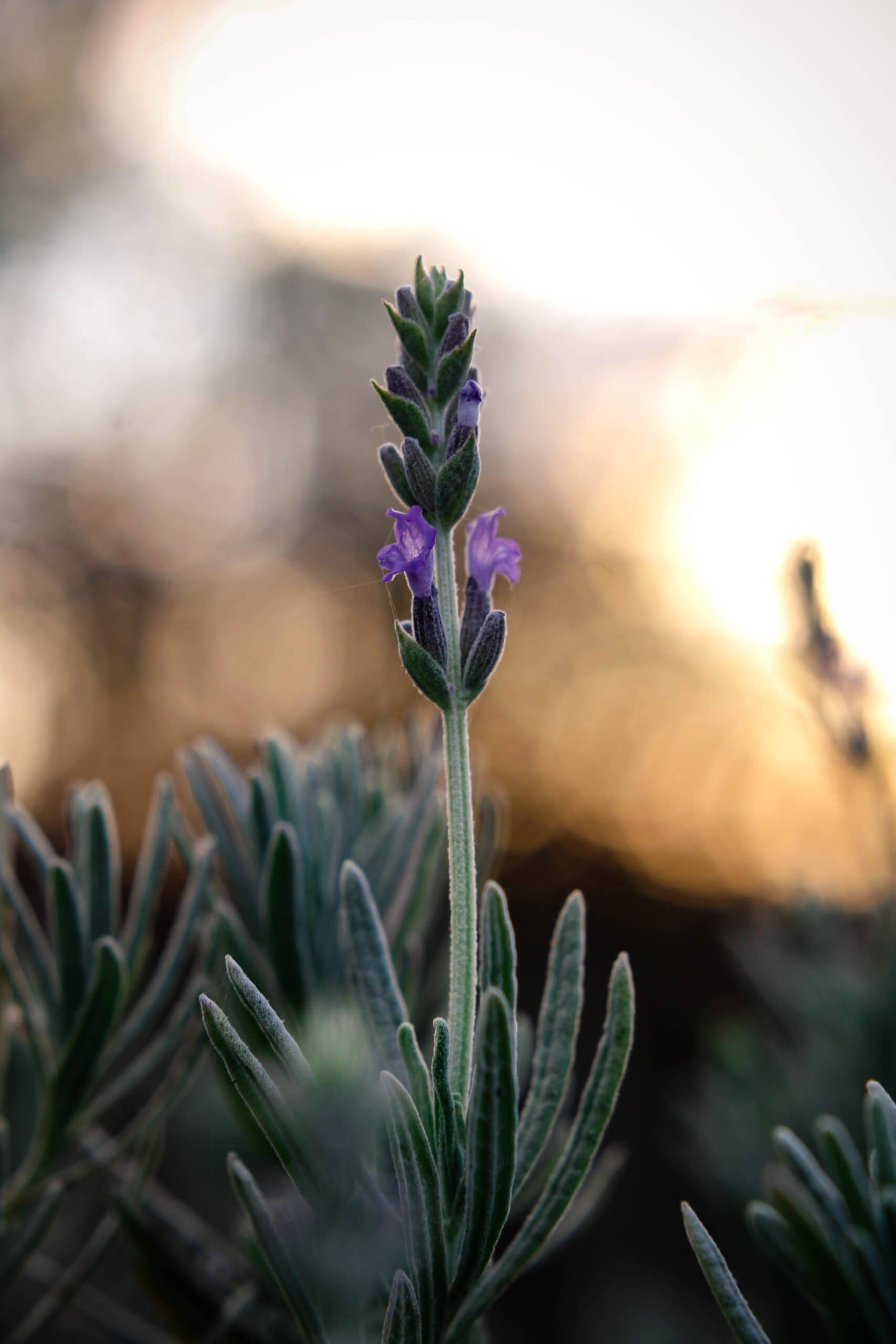
Lavender uses are generally limited to the flowers. They have the most alluring fragrance, which lasts long after the flowers are picked, and they look stunning when used as a cut flower.
But while all of the attention is on those gorgeous purple flowers, there is another fragrant part of the plant that is consistently ignored; the leaves (and the stems).
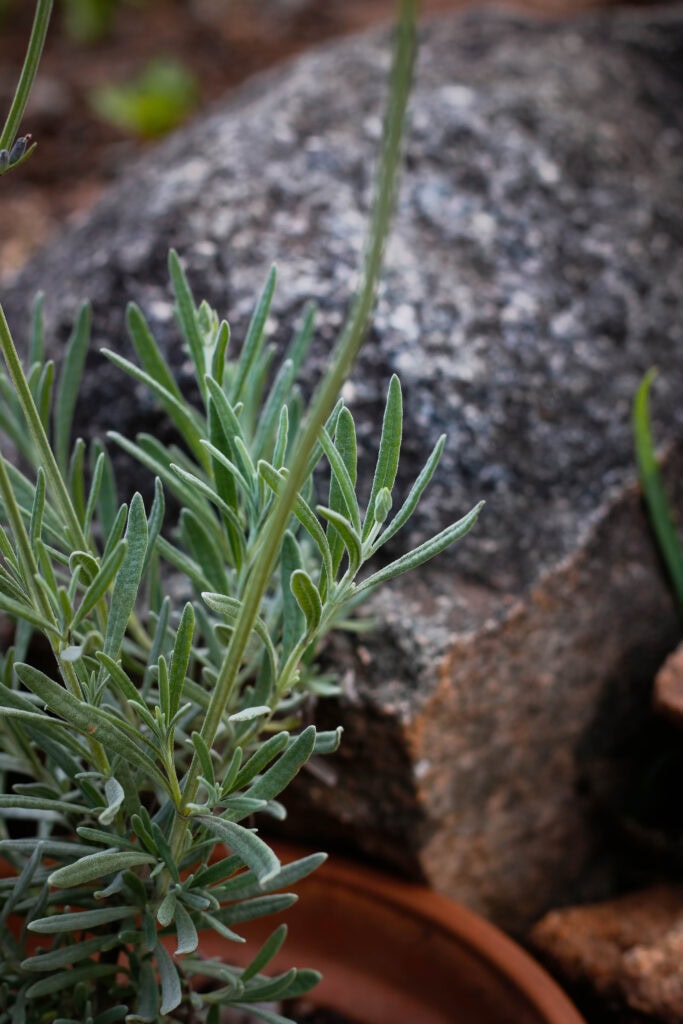
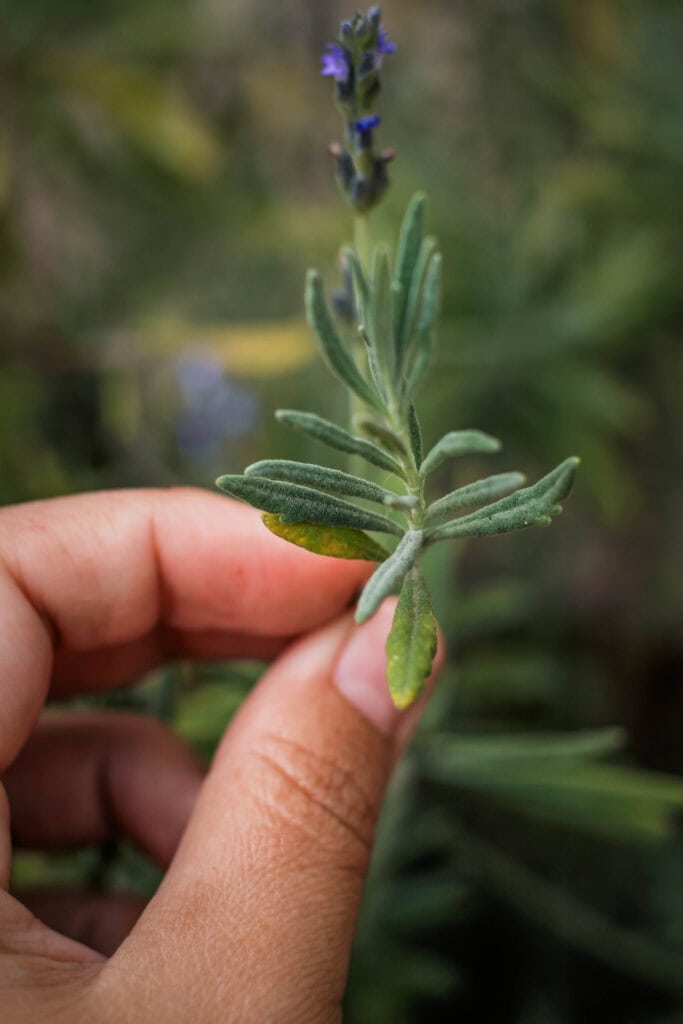
Lavender leaves are slender, silvery-green, and they have all sorts of uses. They can be cut with the flower, by cutting well below the flower’s stem, and if you leave the stem in water for a week or two, depending on your lavender variety, you should start seeing roots! Lavender can be easy to propagate so that is another bonus for regularly harvesting the leaves and blooms.
Personally, I only use English Lavender so I don’t know how these uses will turn out if you use another variety.
How to Harvest Lavender Leaves
Harvesting lavender leaves is not rocket science, but doing it the right way means you get the best quality for whatever project or recipe you have in mind while also doing no harm to your bush.
The best time to harvest lavender leaves is in the morning, after the dew has dried but before the heat of the day sets in. This preserves their oils and keeps them fresh. When selecting your leaves you should look leaves without any signs of damage, discoloration, or pests. These leaves will have the strongest scent and the best quality for use.
Once you have selected your leaves, snip the leaves with sharp scissors or garden shears to avoid damaging the plant. Dull tools can crush the stems, which may impact future growth and ripping the leaves off might also do some damage. You should take care to trim the leaves from stems that are mature and always avoid over-harvesting from any one plant. You can do this by leaving at least two-thirds of the plant intact so it can continue to grow happily.
Drying and Storing your Lavender
You don’t need to invest in a fancy dehydrator to dry your lavender leaves (although if you already have one, you can certainly use it!).
If you’re planning to use the leaves fresh, give them a quick rinse under cool water to remove dust, insects, and in my case, dog hair! Then you should pat them dry with a towel or let them air dry before use.
If you want to preserve the leaves for later, you can bundle small bunches and tie them together with a piece of string. Then hang them upside down in a dry, dark place. Once fully dried, you can store them in an airtight container to lock in their aroma and potency.
Lavender Leaf Uses
If you’ve ever wondered, “What can I do with lavender leaves?” you’re in for a treat. Lavender leaves are versatile, aromatic, and easy to use in everyday life. And since a well taken care of bush will grow wild, and give you more than enough leaves to work with, you will be able to try out all of these uses.
Make Your Own Lavender Tea
Lavender tea is a natural stress-buster, and can help to calm your mind and soothe your soul.
Simply steep a few fresh or dried lavender leaves in hot water for 5–7 minutes, add some honey to taste and enjoy. You can also get creative by adding a pinch of chamomile or mint, either of which will enhance the flavour.
When making tea then only use organic leaves that you’ve grown yourself or bought from a reputable health shop, as you don’t want chemicals in your cup!
Create a DIY Herbal Sachet
A lavender sachet is a classic way to use up your lavender, and when added to your drawers or luggage it will make everything smell incredible.
Making your own sachets is as easy as grabbing a small cloth bag, filling it with dried lavender leaves (you can also include a few flowers), and tying it shut. These little bundles are perfect for keeping clothes smelling fresh or even calming your mind when tucked under a pillow. And they make for a lovely gift.
You can even tuck a sachet in your car for an all-natural air freshener.
Make a Lavender-Infused Oil
Lavender-infused oil is great for massages, aromatherapy, or even to add to a bath.
To make your own, you can fill a glass jar with lavender leaves and then cover them with a carrier oil like olive, sweet almond, grape seed or jojoba oil, whichever you prefer.
Let your oil sit for 2–4 weeks in a cool, dark place, and give it the occasional shake. After a few weeks you can strain out the leaves, and voilà, your homemade elixir is ready!
Whip Up a Lavender Leaf Sugar Scrub
I am such a sucker for a homemade sugar scrub. Shop-bought scrubs are so pricey and packed full of chemicals, that I prefer making my own. I also make scrubs for friends and family, and it always goes down a treat.
Scrubs can be used on your body and on your face, but beware of using a harsh scrub on your face.
To make a simple, soothing lavender scrub, mix dried lavender leaves with sugar, coconut oil (or a carrier oil of your choice), and a touch of honey. This all-natural concoction will leave your skin feeling soft, hydrated, and lightly scented with lavender’s earthy scent.
You can add a few drops of lavender essential oil to boost the scent, but the leaves alone should be enough, and often essential oil has a bit of a harsh smell.
Add it to Potpourri Mixes
Lavender leaves are the queens of potpourri.
Their subtle scent blends in just beautifully with dried rose petals, citrus peels, and a dash of rosemary.
And when you arrange your mix in a decorative bowl, your living room will smell just like a countryside retreat.
Use it in Cooking and Baking
Yes, you can eat lavender leaves! But they are an acquired taste.
You can chop fresh leaves finely and sprinkle them over roasted vegetables or use them to infuse butter. And if you are feeling adventurous, you can try adding them into baked goods like shortbread cookies. Lavender ice cream is also quite popular, but I think that is mostly made using the flowers.
It is important to use the leaves sparingly as too much can overpower your dish. And those in the know say that you should only cook with English Lavender, as the other varieties can be bitter.
Make a DIY Lavender Cleaning Spray
Lavender leaves have natural antimicrobial properties that make them a superstar in homemade cleaning sprays as well as homemade room freshening sprays.
To make this spray, simmer a handful of fresh leaves in water, strain the liquid, and mix it with a bit of vinegar in a spray bottle.
Now you’ve got an eco-friendly cleaner that smells like a meadow!
Add Leaves and Stems to a Braai
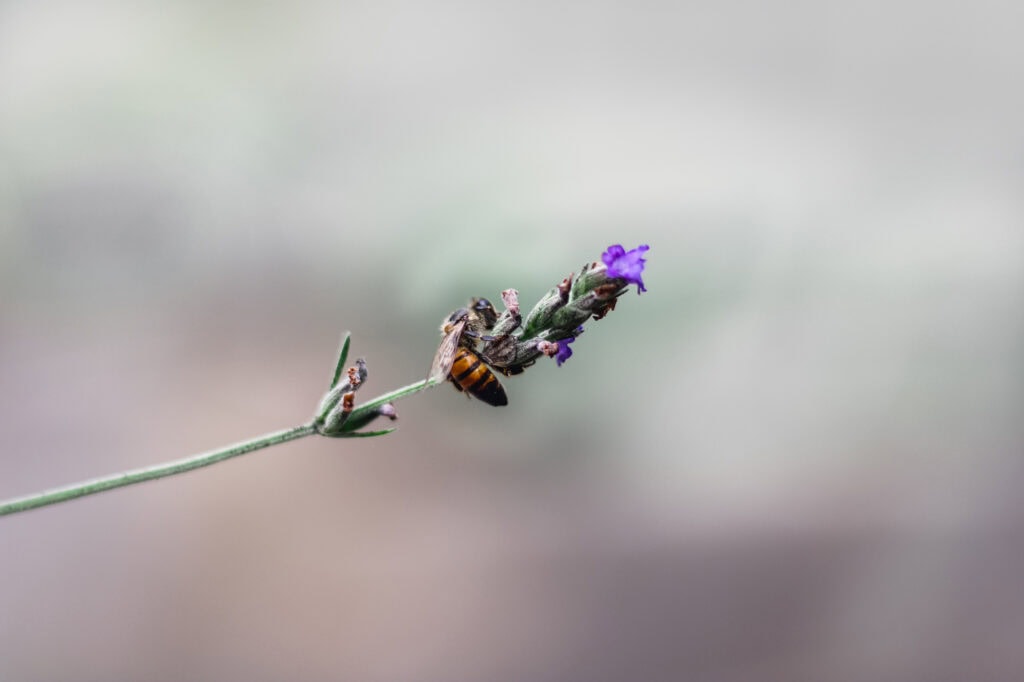
Want to make your outdoor seating area smell like heaven? Dried out lavender leaves and stems, thrown into a fire can release a wonderful fragrance that not only smells amazing but which will also scare away mosquitoes (apparently, I have not tried this yet and we have lots of mozzies to scare off so I will report back soon!)
Just a bit of advice, don’t add the leaves and stems when cooking your food, as the scent might give your food an unusual taste.
Create Relaxing Bath Products
You can make bath salts by mixing dried leaves with Epsom salt and a bit of baking soda. Or you can real go fancy and create bath bombs by mixing the leaves with citric acid, cornstarch, and essential oils. (For bath bomb making tools and ingredients, check out Fun With Soap)
Either way, you’re going to be soaking your cares away!
Incorporate Into Your Homemade Candles
Make your home feel rustic and cosy by embedding dried lavender leaves into your homemade candles.
You can do this by mixing them into your wax before pouring, or by pressing them onto the surface. When lit, the faint aroma of lavender will fill your space.
Use as Mulch or Compost
Lavender leaves make an excellent mulch, helping retain soil moisture and repel certain pests. Lavender mulch can help ward off slugs and snails organically, and as gardeners, who can say no to that?
You can also toss them into your compost bin to enrich your soil naturally. Your plants will thank you!