
 Leigh-Anne Harber
Table of Contents
ToggleWinter is one of my favourite growing seasons, and it was the first season I started growing a food garden.
The days are endlessly clear-skied, there is that cold nip in the mornings that really makes you feel alive, but by midday in the sun, it is generally very warm if not hot, and there is something quite magical about that winter light.
Instead of taking a break from the garden, the end of summer, to me, is another spring, just cooler.
Sowing winter seed at the end of winter will give your plants just enough warmth to take off, and by the time they need the winter chill to mature them, the coldest part of the year arrives.
Autumn/early winter planting is also a wonderful way to get a jump start on spring.
Unless you live in a heavy frost or snowy area, you can sow heat-tender plants that can grow slowly through winter and produce a harvest in early spring, before the intense heat arrives.
Compared to the often exhausting summer season, winter’s conditions can make it a superb time to grow vegetables in South Africa.
If you are thinking about growing a winter garden, these are the plants to focus on.

Broccoli
Days to Harvest – 55 to 85 Days
Have you noticed how in summer the price for a head of broccoli goes up, but in winter it comes down?
That’s because broccoli is a seasonal vegetable. And if you were to eat seasonally exclusively, broccoli would only be available during the winter.
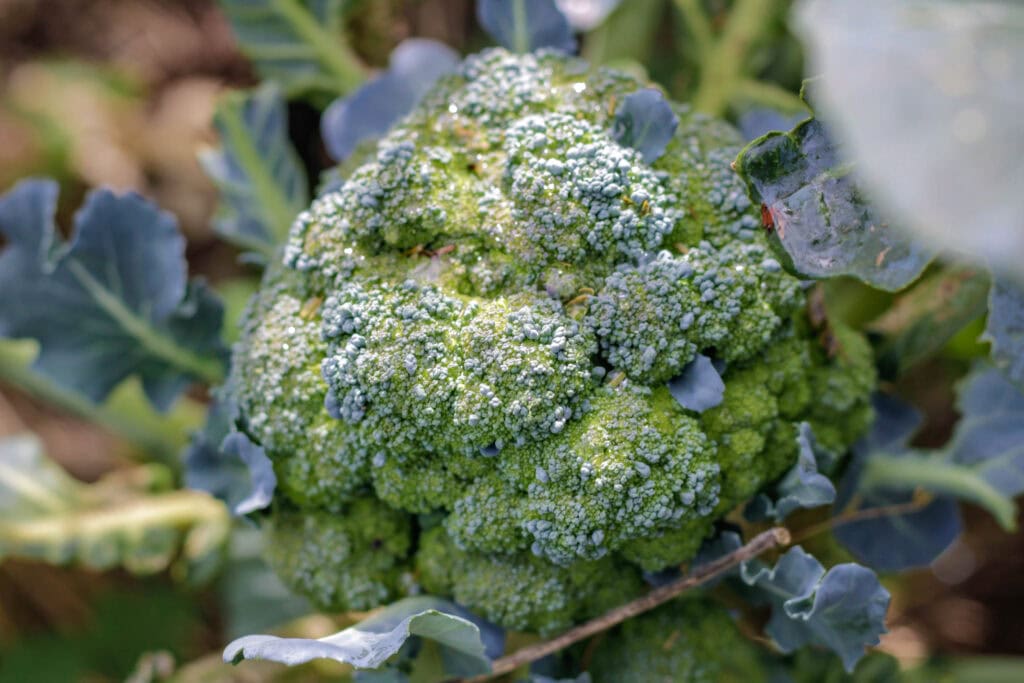
Broccoli is the perfect winter garden crop because they actually benefit from the cold, by developing more flavour the colder it gets.
And since frost, at least a hard, continuous frost, is a rarity in most parts of the country, they don’t run the risk of being damaged and going mushy.
There is another benefit to enjoy when growing broccoli in the winter, and that is less pest pressure.
If you have ever grown broccoli in the summer, you know just how impossible it is to keep aphids off a summer crop.
But aphids don’t like the cold, so by growing broccoli during the winter, you will get a bigger, healthier crop with no pest damage.
Plant seeds when the weather starts to get cooler, around mid-March or into April. You can continue to sow all through winter.
Tomatoes
Days to Harvest – 50 to 80 Days (depending on variety)
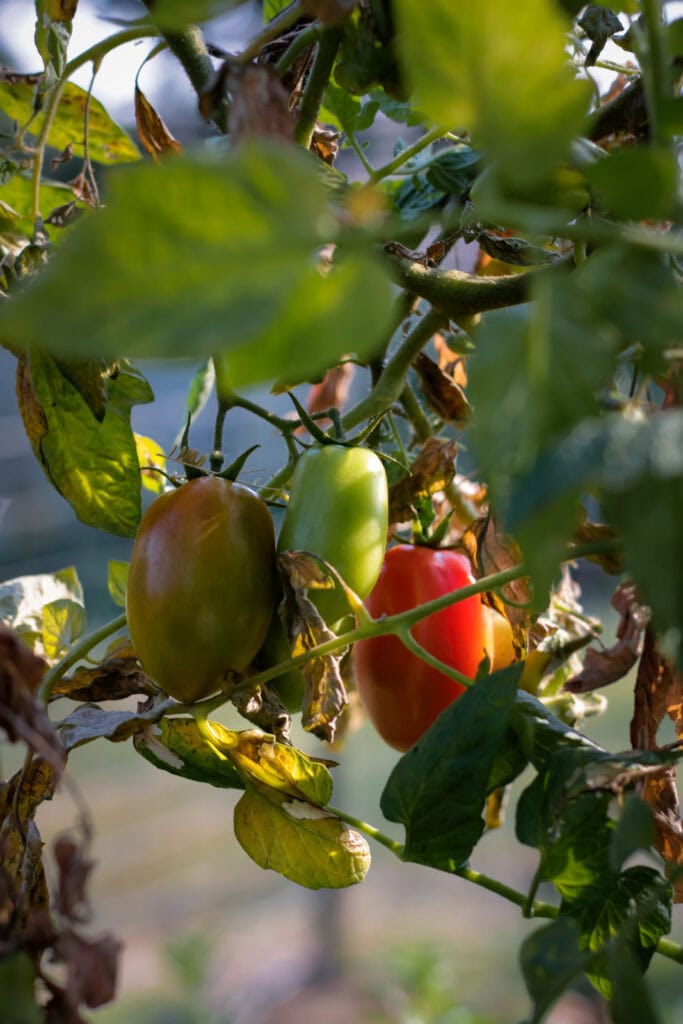
I love to grow tomatoes, and some of my best and biggest harvests have come from winter-grown plants.
Tomatoes perform better when put under a little stress, but in summer, the heat and heavy rains can prove too stressful for the plants. They can fall prey to red mite infestation, the rain can cause blight, the fruits can also split from too much rain, and rotting fruit can also be a disheartening summer-time issue.
In winter, since we don’t get freezing cold in the Lowveld, the tomatoes are in their element.
You have none of these problems with a winter tomato.
The key is to give them all the sun they could want and to only water them once or twice a week.
Plant tomato seeds around the end of March and into April, and then succession plant, every 6 or so weeks, if you have enough space to do so.
Cauliflower
Days to Harvest – 70 to 100 Days
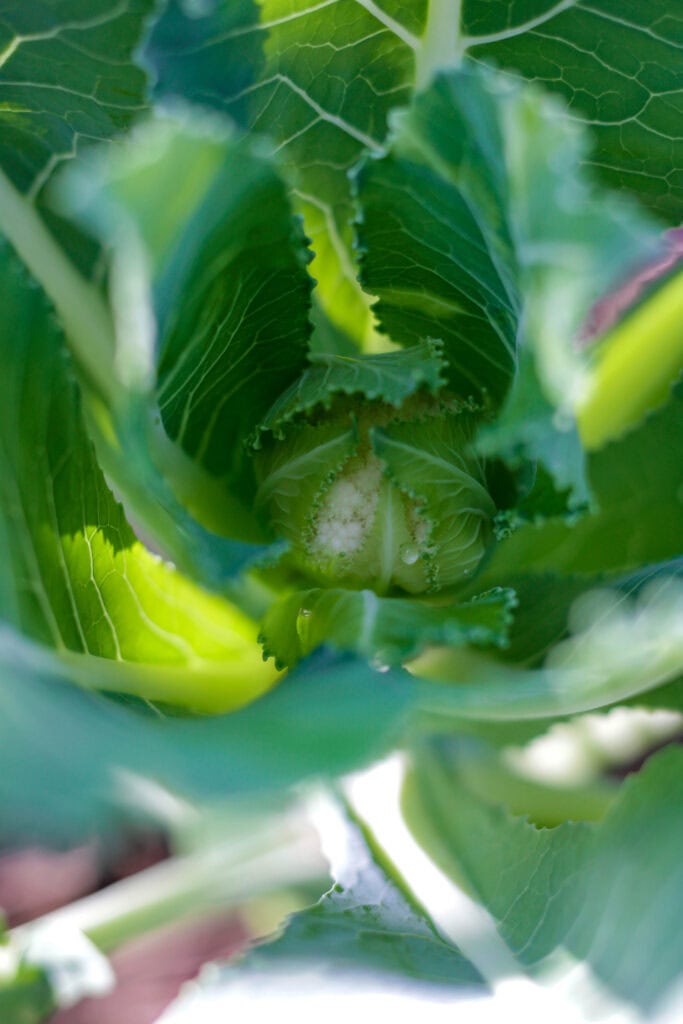
I struggled to grow cauliflower, but it is definitely a good winter crop for us Lowvelders.
I think my problem was that I planted my cauliflower too late in the season, and by the time the heads were forming, it was already getting warmer, so the plants almost bolted.
Cauliflower is a slow grower, and it is very sensitive to warm conditions.
It can take as long as 6 months to mature, and, unlike broccoli, you’ll only get one head per harvest. So if something goes wrong, you could easily end up with no reward for your effort.
When growing cauliflower, you might find that the heads go yellow; it’s a sun thing, but it will still taste good.
To minimise the yellowing, I tried the technique of tying the upper leaves around the head to protect it from the sun, but in my case, the damage was already done.
I suggest starting your cauliflower at the same time or sooner than your broccoli, around the start of March.
Leeks
Days to Harvest – 80 to 120 Days
Onions take up to 120 days to mature, they take up a lot of garden space, and given just how many you use in a month, they are not the most practical addition to the home garden.
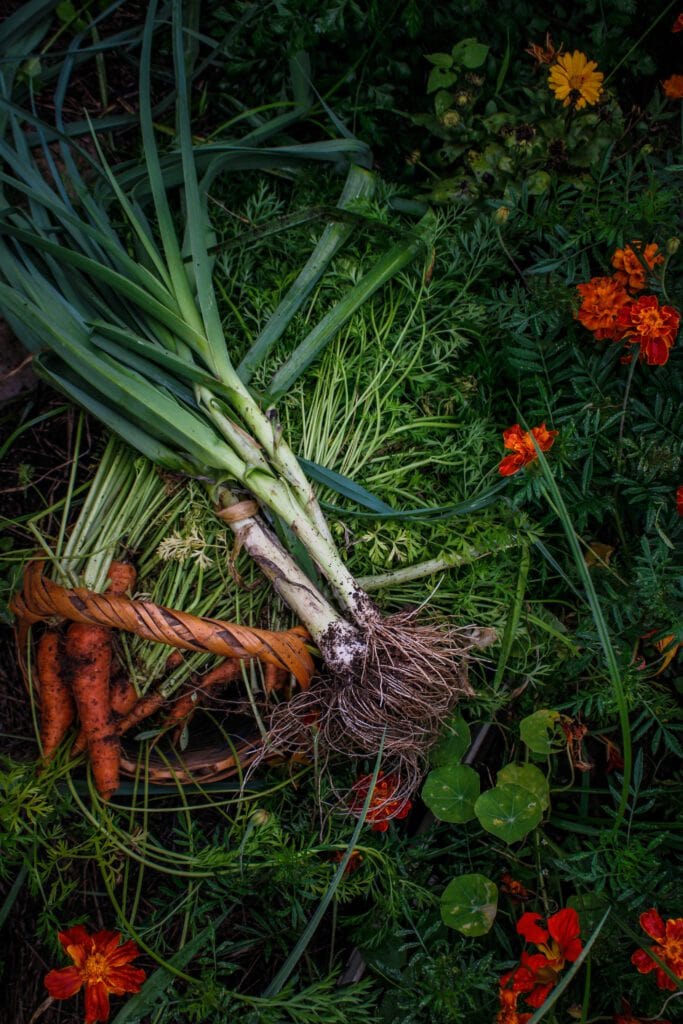
Leeks, the onion’s cousin, on the other hand, can be planted closely and will mature within about 3 months of being planted.
Leeks can be grown all year round, and they do quite well in the winter garden.
They take up little space, and they can even be grown in containers if need be.
Once harvested, they can be cut up and frozen, rather than needing to be matured, as an onion does.
Leeks can be planted around mid March/early April for the winter vegetable garden.
Peas
Days to Harvest – 55 to 70 Days
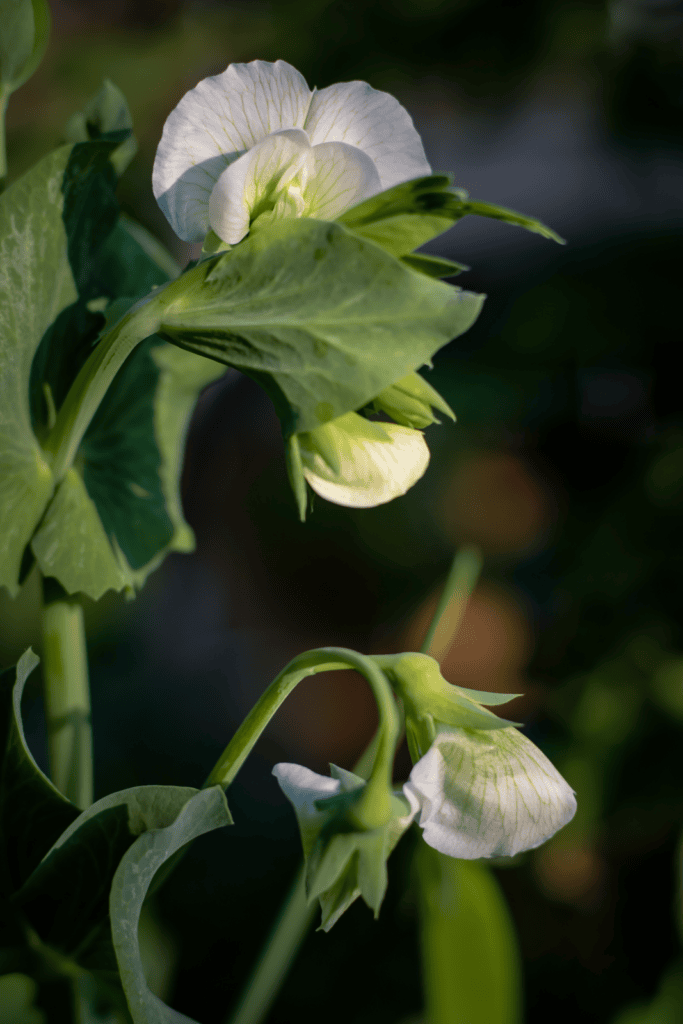
A simple and easy thing to grow, and a lovely treat to snack on or put in stews, peas are best grown in the winter.
Most of the peas I grow don’t even make it into the house; they are simply too delicious to leave alone long enough to use in a meal.
If you grow the peas during a hot season, which in our case is spring, summer and early autumn, your pea plants could end up quite literally drying out.
Oregon Sugar Snaps and your average Green Feast Pea thrive in our winters, just give them enough space to climb. I planted mine along the garden fence.
Along with the peas giving you a delicious harvest all through winter, their blooms are absolutely beautiful too!
Direct plant pea seeds around the end of April, or when it starts getting colder. You can also start your peas and then plant them out, just don’t disturb the roots too much.
Carrots
Days to Harvest – 50 to 80 Days
Root veggies are the ultimate winter crop.
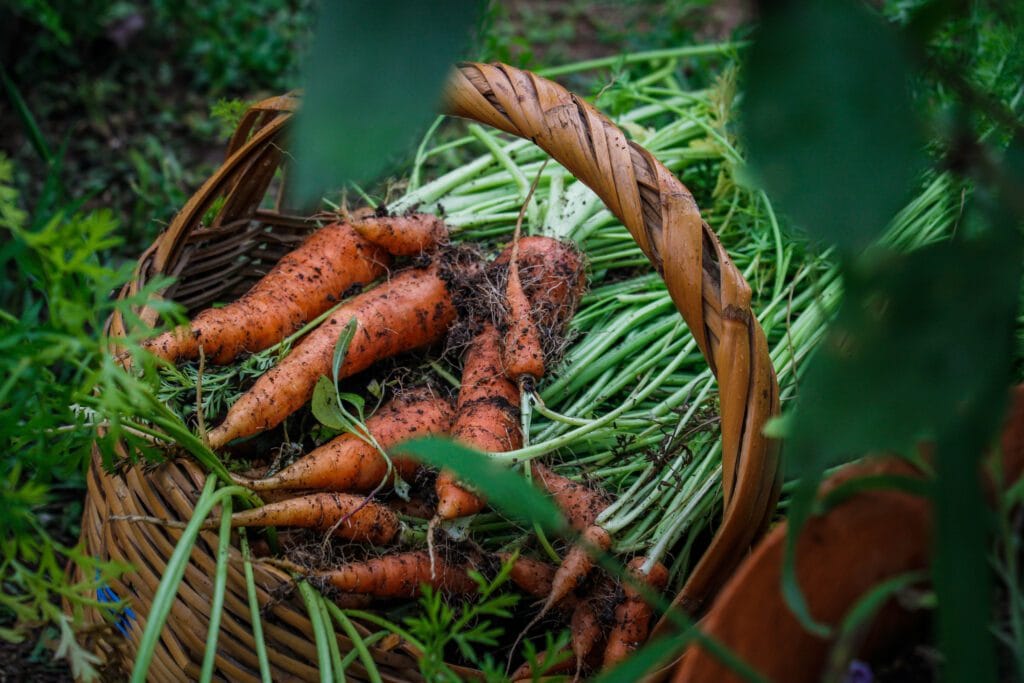
And personally, for me, nothing quite says autumn is here, and winter is coming, like planting some carrot seeds and seeing those first dainty green shoots pushing through the earth on a pleasantly cool autumn morning in April.
Garden carrots are so different to the store-bought kind.
They are so full of flavour, and they can be grown in between other plants, provided you give them a head start so that they won’t be covered by the leaves of their companions.
Direct plant carrot seeds in mid-April, making sure you keep them moist. They keep well in the winter ground, so you don’t have to pull the entire crop at once.
Swiss Chard
Days to Harvest – 30 Days (baby leaves), 40 to 60 Days (large leaves)
Summer time Swiss Chard gets devoured by bugs.
And not only do they suffer from a lot of pest pressure, but they just don’t have the best time in the heat.
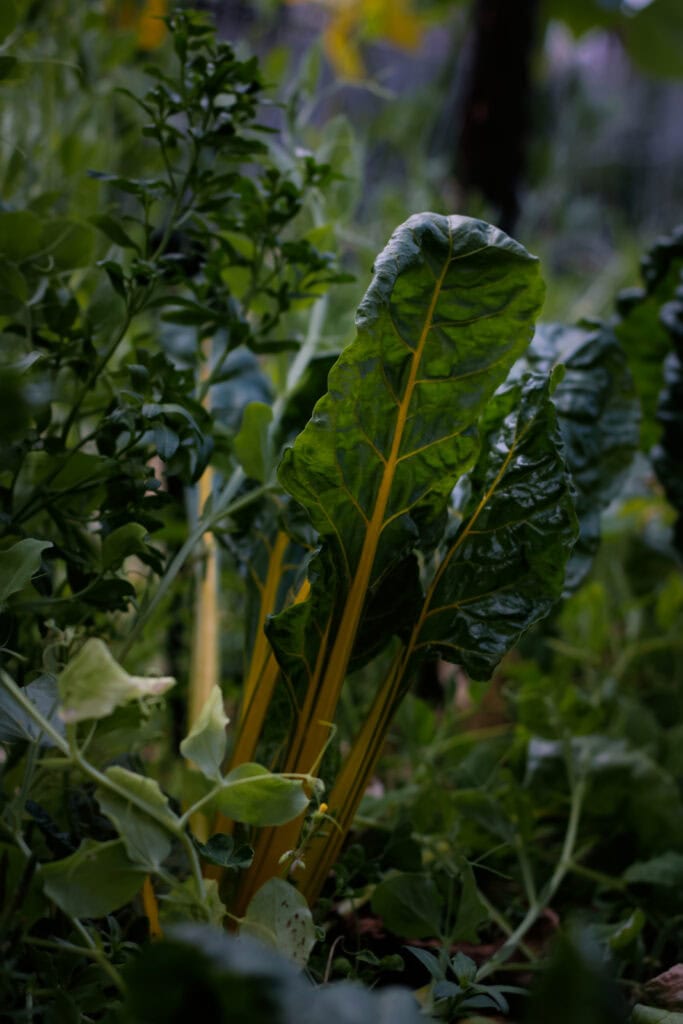
Swiss Chard is a winter crop in our corner of the world, although you can certainly grow it in summer under the right conditions.
I like to grow my Chard plants quite close to one another, and then I harvest as I need it, giving the plant time to regain its strength and grow new leaves between harvests.
As spring starts returning, I harvest everything, cut the plant down to the base, and either let it die or pull it.
I blanch and freeze the leaves so that we can use them throughout the summer.
Plant Swiss Chard seeds at the end of February, and into March and April for a healthy winter crop.

Potatoes
Days to Harvest – 90 to 120 Days
The quintessential veg, what household doesn’t rely heavily on potatoes?
Although they can be grown in summer, potatoes often do best when they are grown in the cooler winter months.
Potatoes want soil that drains well (too much water and they’ll rot), and they want good, nutrient-rich soil. The plant loves a good amount of compost and a bit of plant food every couple of weeks.
They also need lots of space to grow, so if you are planting in your garden, you need to make sure that the soil is nice and loose so that the potato tubers can grow deep.
Although I grow a couple of bags of potatoes (quite literally in old compost bags), it’s more for fun than for a big harvest.
To grow a 7kg bag of spuds, the amount you’ll need to keep up with your family’s monthly appetite, you’ll need stacks of plants.
Space-wise, it just doesn’t make good sense, so I would advise that you rather support a local farmer.
Plant a sprouted potato from your shop-bought spuds between August and June.
Cabbage
Days to Harvest – 60 to 100 Days
It’s a staple food that I will admit I did not grow up eating.
But I have grown to really enjoy cabbage.
I have grown red baby cabbage in the past, but it didn’t do all that well. I planted late in the winter, and an out-of-the-blue heatwave in early September forced me to harvest them early. They were tasty, just a lot smaller than I’d hoped.
In 2025, I decided to try growing a “real” cabbage, and I spent some time online researching the different varieties.
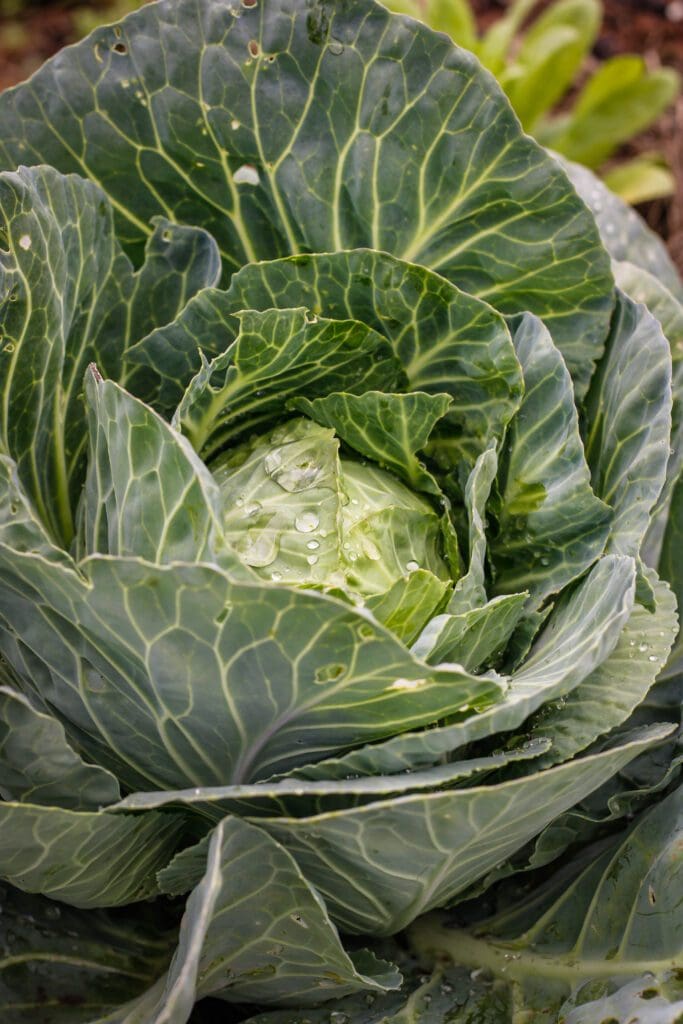
I settled on the Early Round Dutch variety from Living Seeds, and I was blown away. Every seed became a big old cabbage, and I harvested so many heads, I had enough to eat fresh, slice and freeze and give away.
You’ll find a wide variety of cabbage online and in the shops. I settled for the Early Round Dutch variety because our winters are so short and usually rather mild. I wanted a plant that would give me a quick harvest, and this variety did not disappoint.
Cabbages are prone to getting slugs, and the leaves can become a home to rain spiders and frogs (I speak from experience here), so keep a sharp eye.
You can plant cabbage seed from the end of April, as the weather cools. The seedlings take about 6 weeks to get to a decent enough size to plant out safely in your garden.
Seeds to Sow for Early Spring
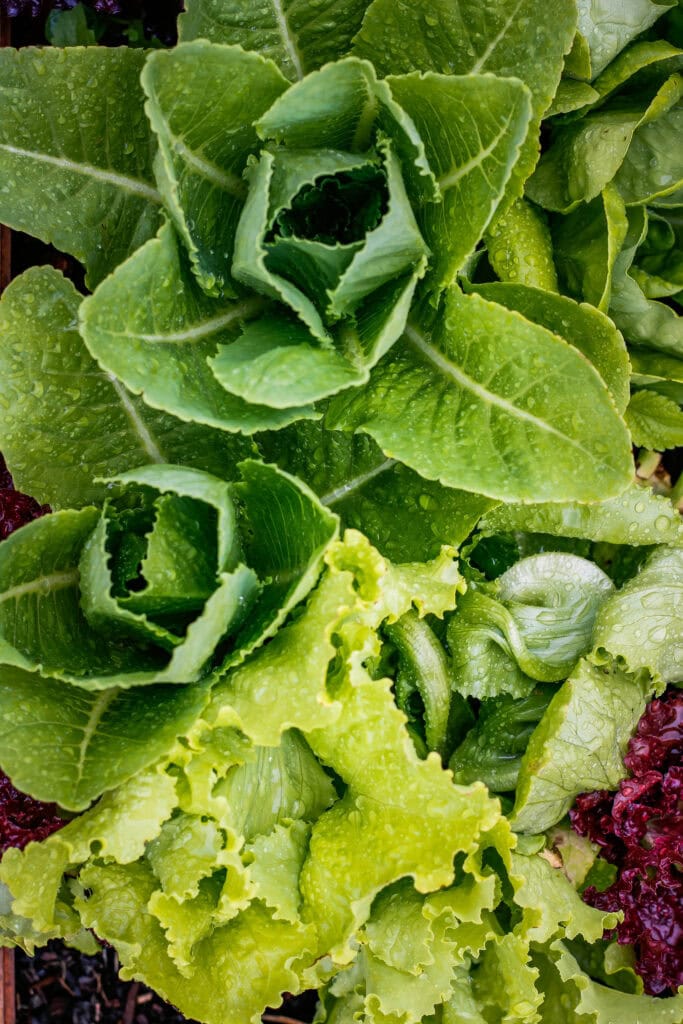
Sowing in late winter seems like a mistake, but it’s a genius idea that’ll give you time to harvest veggies that are heat-tender.
Leafy greens are one example of a crop that does well in early spring but will bolt and die the moment summer reaches its zenith.
Lettuce in particular is something you’ll want to sow in August, so that by September you can start making your favourite summer green salads.
Spinach and Swiss Chard also do best both in winter and in early spring, so you can either let it grow through winter or you can plant your seeds at the end of July for an early harvest in September.
Mid to the end of July is also a good time to sow peppers, especially if you have mild winters as I do here in the Lowveld.
Peppers can take a while to mature, so if you have seedlings ready to be planted out by the start of September, you’ll enjoy peppers for a longer time.
Preparing Your Garden After Summer for Winter Vegetables
The success of any garden starts with the soil.
Summer can exhaust and deplete the soil, what with the baking sun and, if you live where I do in the east, the heavy summer rains can wash nutrients right out.
Soil health should always be your number one priority, and it should never be skimped on or skipped. Not only does good soil give your winter veg the best support, but it also gives your body a boost.
The better your soil, the healthier and more nutritious your plants will be, and naturally, your body will reap the health benefits of the good food you grow.
After you’ve planted your winter veg, and while you’re waiting for the seedlings to grow, you can turn your attention to your garden:
Step 1: Clear and Assess Your Garden Beds
The best place to start preparing your winter garden is by removing any remnants of your summer crops, including dead plants, weeds, and debris.
In South African gardens, where summer can bring intense sun and sporadic downpours, it’s common for soil to become compacted or eroded, so you can gently fork over the top layer to aerate it without disturbing the deeper structure too much.
Try to do this when the soil is moist but not soggy to avoid clumping.
Step 2: Amend with Organic Matter
To replenish the nutrients lost during the summer, you’ll want to incorporate generous amounts of compost or well-rotted manure into the soil (if you are buying your compost, stockpile it in summer, when it’s cheaper. In my experience, compost prices tend to jump when the garden season slows down.)
Spread a layer about 7-10 cm thick on top of your garden beds and very lightly fork it in, allowing beneficial microbes to break it down over the coming weeks.
For acidic soils that are common in parts of South Africa, you can add a dusting of agricultural lime to balance the pH.
If you are like me and you prefer organic options, you can use vermicompost or bone meal. They are the ideal choice because they provide slow-release nutrients.
Adding matter to your soil is the most important step for preparing for your winter veggies, because they will need nutrient-rich soil to withstand and grow well in the cooler temperatures.
Step 3: Mulch for Protection and Insulation
I love mulch! Summer or winter, my beds are covered.
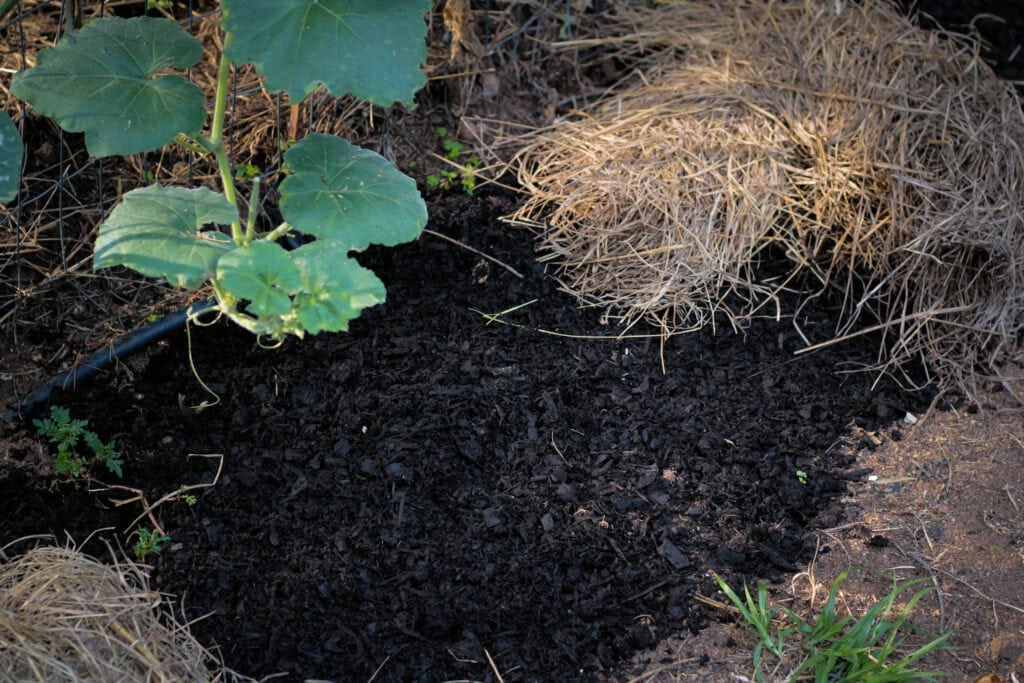
Once you’ve amended your soil, the best way to protect the hard work you’ve done is to cover your beds with a thick layer of mulch to shield the soil from winter’s chill, wind, and occasional heavy rains.
Mulch will also help regulate the soil’s temperature, keeping roots warm, and it will help the soil stay moist for longer between watering. It also works well to suppress weeds.
Organic mulches like grass clippings, straw, dry leaves, or bark chips work wonders.
In frost-prone areas like Gauteng, you can add a 5-10 cm layer to insulate against temperature fluctuations.
Step 4: Consider Cover Crops or Rest Periods
If you’re not planting immediately, you can sow cover crops like winter rye or clover to protect and enrich the soil naturally.
These “green manures“ prevent erosion, add organic matter when turned under, and it promotes soil health during the off-season.
Alternatively, you can let beds rest under mulch, giving the earthworms and microbes time to work their magic.
Step 5: Final Touches Before Planting
About two weeks before sowing your winter seeds or transplanting seedlings, give the beds a light rake to level them and incorporate any final amendments like a balanced organic fertiliser.
Always remember that the best way, the only way in fact, that you will ever find out what really works for your unique microclimate is to experiment and have fun.
All good gardeners often end up killing more seeds and plants than they harvest, so don’t be afraid to make mistakes and learn from them.
I wish you a happy and abundant winter crop! 🥦

Hi Leigh-Anne
If I start planting swisschart now,will it be to late ,as well as Texas brown onion?
Hi Roelof,
It’s not too late to plant either. I planted chard about 2 weeks ago and it’s doing well.