 Leigh-Anne Harber
Table of Contents
ToggleBy the end of this July, home growers and homesteaders all across South Africa are going to be excitedly pulling out seed catalogues, notebooks and garden plans. The summer months are not all that far away, and this time of year is a good time to start planting all those hot-weather-loving veg.
The summer garden in the Lowveld is a jungle waiting to happen.
With the heat, the humidity and the summer rains, plants grow in abundance, and the outpouring of vegetables to harvest brings a whole new level of excitement to the season.
The summer can also be a little bit overwhelming, especially when the weeds, the pests and the other garden problems begin to take over. It can be hard to stay on top of all the growth and all the little garden tasks that need doing, but the balmy weather, the long luscious nights and the feel-good feelings that always come with the summer months make this particular growing season well worth every hot and sticky moment.
For me, the summer months hold a lot of expectations.
My planning for the summer growing season begins as early as July, and the first of my seeds go into the ground at the start of August. If this is your first summer growing, or if you are looking for a little bit of summer planting inspiration, here’s my must-grow summer veg.

Tomatoes
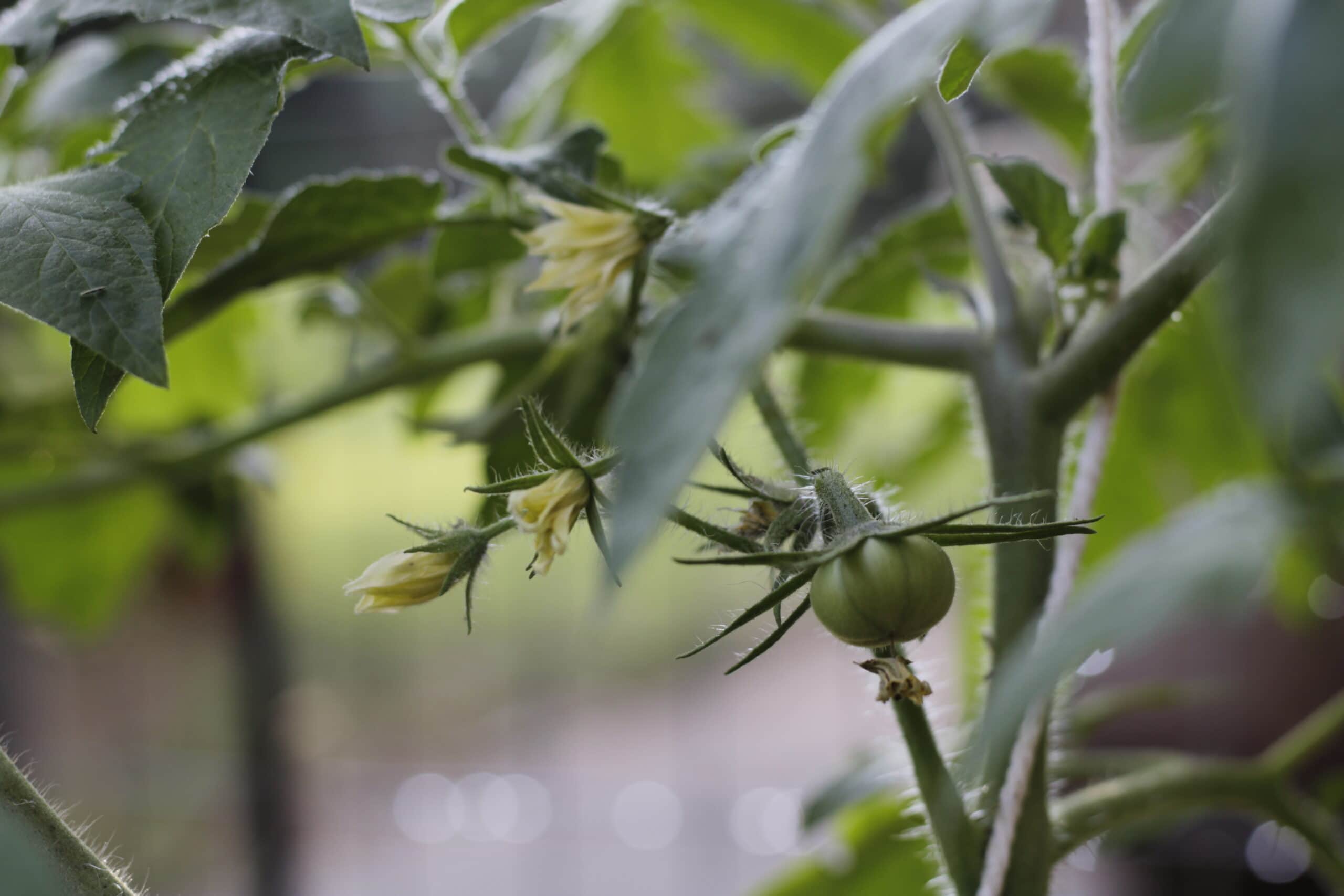
What is summer without a few too many tomato plants? Although here in the Lowveld you can easily grow tomatoes throughout winter, it is the summer heat that gives your tomatoes all of their outrageously sweet and scrumptious flavours.
An interesting thing about tomato plants is that they benefit from a little heat stress. Too much water and the plants won’t produce optimally, but leave them to dry out a little between watering and you’ll have extraordinary flavours.
Eat them in salads, put them in pastas, or just eat them fresh from the garden; tomatoes are a summer staple. And they are so ridiculously easy to grow that they are the perfect crop for a first-time grower and those growing in containers.
Varieties I always plant include the abundantly producing cherry tomato, Romas, and big old beef steaks. I also grow San Marzinos, Black Krim, and Green Zebra tomatoes. The seeds of all of these varieties can be bought from Raw Living Seeds, which is stocked at Builder’s Warehouse, as well as a couple of nurseries.
Check out my tomato growing guide before you get planting. It has some must-know information for growing in the Lowveld.

Beans
Growing most kinds of beans, such as Malelane Bush Beans and Lazy Housewives, is so easy, and once the summer heat and rain kick in, the bean plants end up needing to be picked on a daily basis.
If you grow about 30 bean plants, you will have more than enough to eat and preserve, but keep in mind that to have this many beans, you’ll need to be on the ball with your succession planting.
Leave a few beans on the plants once the plants start coming to an end, and you can seed save or immediately replant for a new crop.
Beans in the Lowveld can end up being nibbled on by bugs, which are attracted to the tasty and tender shoots. This is a problem in summer, so keep a lookout.
Peppers
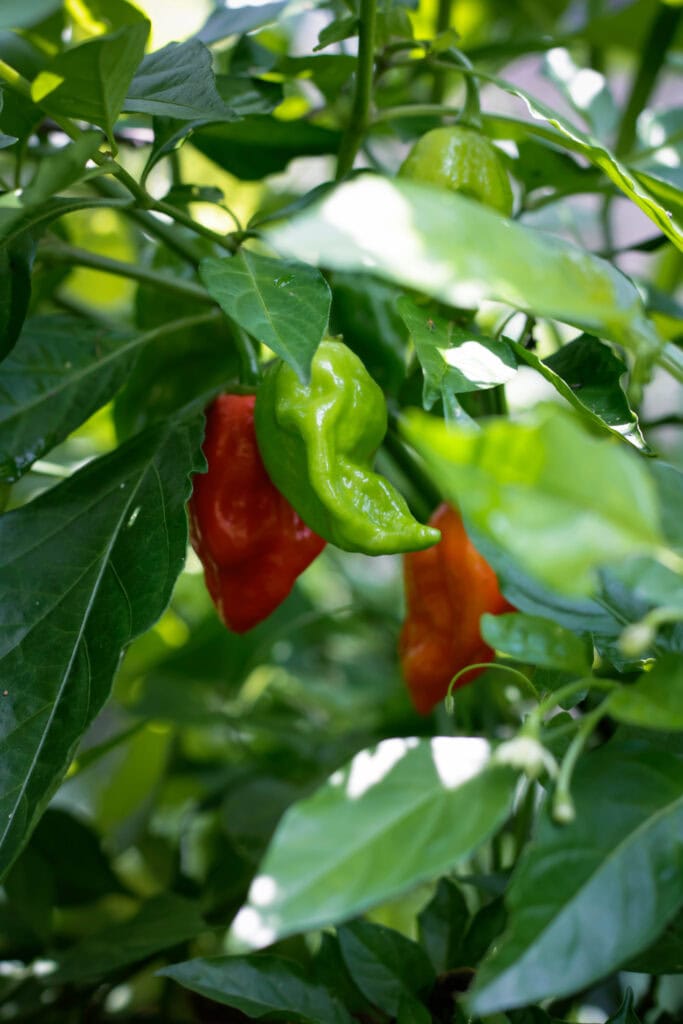
It would not be summer in the Lowveld without a few pepper plants. These spicy perennials thrive in hot and dry climates, and they will keep on producing right through the winter, although their production will slow down somewhat.
There are so many, many pepper varieties, so when you are choosing what you want to plant, go for the types that are more to your taste.
Things like the insanely hot Ghost pepper are not everyone’s idea of a treat, while milder peppers like Paprika and California Wonders are ideal for salads and for preserving.
If you want to treat yourself to a really tasty treat, grow Jalapenos, Habaneros and Sweet Bite Mini Peppers. When you have your harvest, you can blister them over a fire, and then stuff them with cream cheese and bacon bits, cover with cheddar and bread crumbs, and then cook them in the oven. Believe me, this will become your favourite thing about summer.
Like growing my peppers in pots. This way, I can have more control over their watering.
Butternut & Pumpkins
Summer is made for growing butternut and pumpkins.
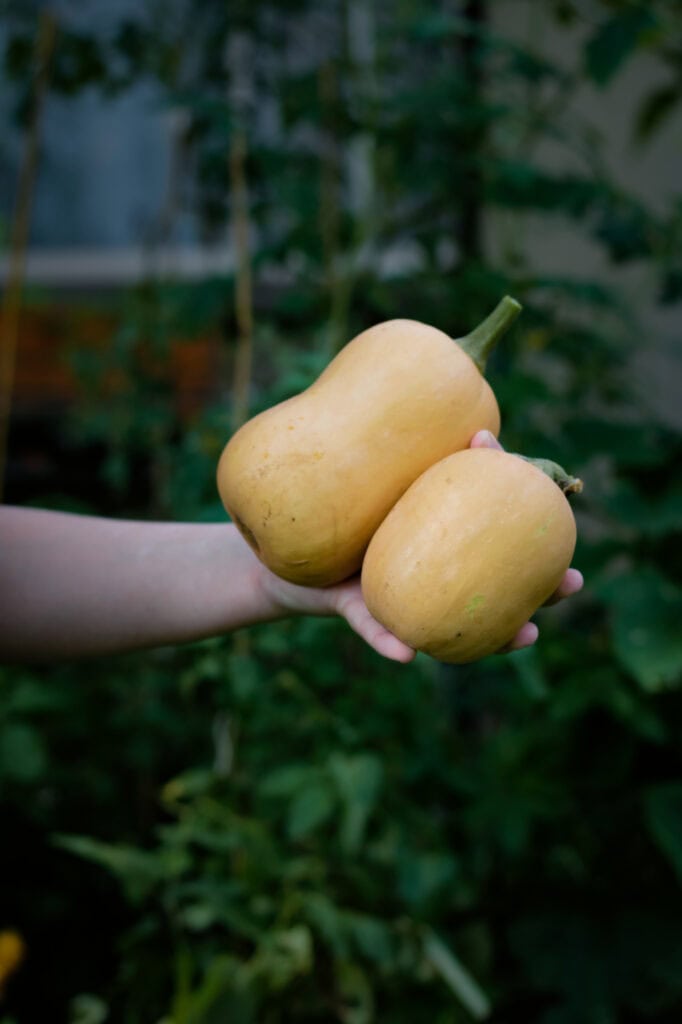
Butternuts are one of my favourite and most rewarding things to grow. I start them in the winter, and by the end of the summer, I am harvesting baskets full (roasted butternut salad, yum!) and the rest we store for winter.
If you are growing either of these this summer, don’t be me. I planted too many pumpkins in a small space and decided to let Jesus take the wheel. It resulted in an overgrown veggie garden, which I personally loved, but that overcrowding didn’t do any favours to the other plants I had in the patch.
I like to grow Wee Be Little Pumpkins, and Waltham Butternut. I also like to try new varieties, like Strawberry Crown Pumpkins and Musque de Provence.

Herbs.
Basil, Dill, Thyme, Oregano, and Fennel, all of these are wonderful summer herbs.
Not only do they grow wild, especially if the weather is a little wet, but when you water the garden or when you get some rain, the fragrance is otherworldly.
Turn the basil bunches into pesto (you can check out my quick and easy recipe), make pickles with the dill (and your homegrown cucumbers), season everything with the thyme and oregano, and roast the fennel. You can also easily dry out the dill to use throughout the year.
Many of these plants are wonderful companions, and basil in particular grows well with tomatoes.
You can also try your hand at growing medicinal herbs, like evening primrose and lemon balm.

I left cucumber and lettuce off this list for one reason, the heat.
Cucumber should be planted and harvested by November at the latest, as the intense summer months not only slow down production but the heat also ends up affecting the flavour of the cucumbers, and it can even stunt growth, resulting in some really strange-looking veg.
As for growing lettuce, while summer salads are a huge hit, the plants bolt so fast that you hardly get time to enjoy the leaves. If you want lettuce, I suggest you plant now. This will give you enough time for salads by September or October.
July is the time to plan for summer. I love this time of year, because although it is cold and rather miserable, there is that hope in the air.
Warmer days are coming.
And we get start over with the garden, and grow something new.

Hi can I grow carrots and beetroot in hazyview around October.
Hi Portia, carrots and beets usually grow better, and taste better, when grown in winter. You could give it a try though, and see how it does 🙂
I’m on the south coast of KZN, and just want to say how much I love your blog! About to start my garden, and your blog is very inspiring!
I am so please you like the blog, and I am excited that you are starting a garden! Keep me updated, I’d love to hear more about it 🙂