
 Leigh-Anne Harber
Table of Contents
ToggleAround the middle of July (for my overseas readers, this month is our coldest), I start to feel an energy I can’t quite explain. It’s an anticipation mixed with a little bit of sick and tired.
July is far from my favourite month. It’s getting steadily colder and drier. My skin is itchy and dehydrated; no matter how much oil and cream I use, my nose is irritated, the mornings are dark, the evenings are icy.
I shouldn’t complain at all really. Except for maybe 2 days, our temperatures never drop below 0 c, and the winter barely sticks around for 4 months. But towards the end of the season, I start to daydream about long, lazy hot days, nights filled with frog song and thunder, and all the greenery.
The thing about living in the north east of South Africa is that our summers can be as temperamental as Mother Nature.
We have summers that are cold, like last year when we had well over 1000mm of rain, far higher than usual.
Instead of glorious storms, we had endless torrential downpours that left most of us with a bout of unseasonal seasonal depression.

We have also had summers that gave us a taste of hell, enough heat and dryness to keep even the most ardent disbeliever asking for forgiveness, just in case.
Both widely different types of summer have been awful.
Cold, rainy summers wash nutrients out of the soil and bring with them fungus and pests.
Tomatoes don’t grow, and those that make it past the seedling phase get riddled with rust and blight. Peppers barely grow let alone fruit. Zucchini get covered in mildew, and flowers struggle too. Beans, though, love it. I harvested stacks of them during our 2025/26 floods.
Harsh, hot summers burn everything.
You can’t keep up with watering, and the plants struggle with the intensity. But compared to the floods, I found that, with some planning, I can get through the heat without giving up.
If you’ve been keeping an eye on the weather, you know that El Niño is in the news.
Now, I am not a doom-and-gloom person; I am a Maak n Plan person, so since the talk is that this El Niño is perhaps going to be more extreme than usual, I decided that now, while spring is still some months away, is the best time to start that plan.
What is El Niño and What Does it do to South African Gardens?
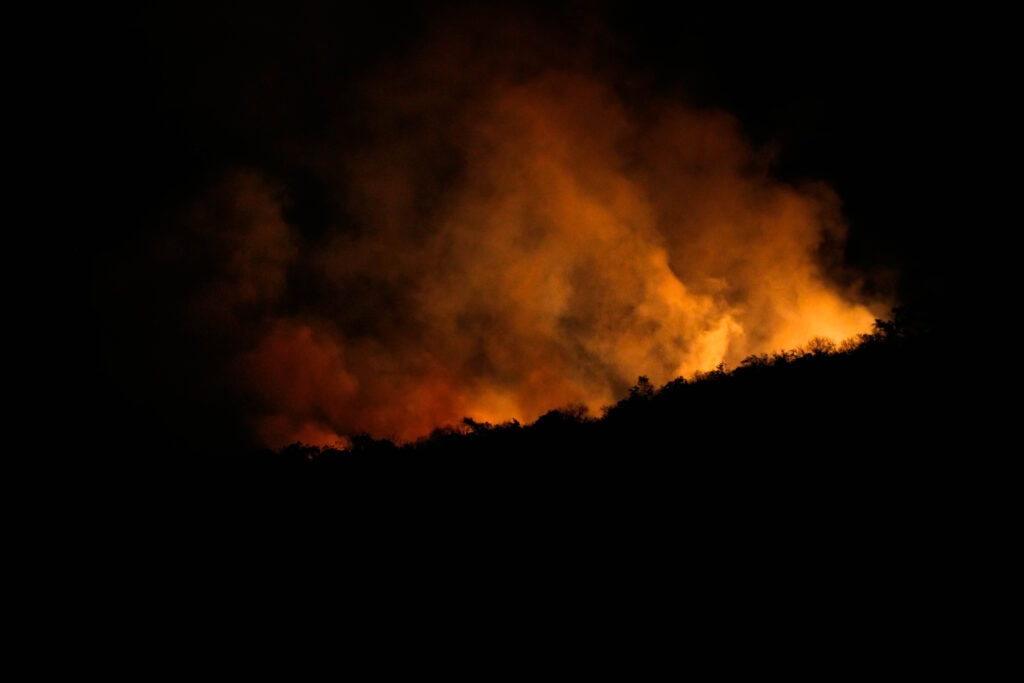
El Niño is a natural climate pattern, born in the warming waters of the Pacific Ocean, yet its effects ripple all the way to our flowerbeds and vegetable patches here at home.
For South African gardeners, especially those of us living in summer rainfall areas, it means longer dry spells, hotter days, more heatwaves, and a serious need to rethink the way we care for the green spaces we love so very much.
By understanding what is happening during this weather event, we can take the first step towards protecting the beauty and the food we have worked so hard to cultivate.

The Warning Signs of a Struggling Garden
I remember the last intensely hot and dry summer quite vividly.
It was December 2019 and we hosted the whole family for Christmas lunch.
Everyone was sweating, and wishing for a storm, and as though the Gods heard our plea, the clouds blew up, the thunder thundered…and then everything blew away.
The heat lingered for days.
The grass was so dry, it crunched underfoot, and no matter where I went, shady spot outside or in my bedroom under a fan, the air was suffocating.
Relief only came at sunset, but still, it was hard to sleep.
My grandmother dozed in her chair most of the day, and I hung wet cloths on her windows to try to cool the room down.
I hated every moment of that summer, and so did the garden.
We kept it alive using water from our washing machine, and the few drops of grace from the heavens, although rain was rare.
I like the saying, “if you’re hot, they’re hot”. It applies to everything, from your beloved pets to your garden plants.
The ground doesn’t have to be dry for your plants to start to stress out.
Some of the signs that you should look for if you are trying to figure out if your garden is struggling includes:
- Wilting leaves. Plants that have drooping leaves are not happy but as long as they have enough water, they should be fine. Check the soil before you water, lest you give your plants too much.
- Crunchy brown leaves
- Cracks in the soil
- White spots on tomatoes and the leaves of some veg. In summer, it is always best to grow tomatoes under some sort of shade or to at least keep them out of the sun during the hottest time of the day. When the heat gets too much, tomatoes can actually burn, leaving a white mark.
- Rolled-up leaves
- Dropped fruits and flowers.
How to Protect a Garden During El Niño
Droughts can be very stressful.
When the day starts in the low 30s and rain just stays away for weeks on end, the garden will wilt fast, and so will you, if you are trying to keep everything alive by running around with watering cans.
Believe it or not, there is a right way and a wrong way to water the garden.
And when you are working with El Niño conditions, you need to switch your habits over to a smart watering method.
Water Deeply a Couple of Times a Week
Watering twice or three times a week the right way is a lot more effective than watering every day and doing it wrong.
Perennials that have been in the ground for a couple of years will cope better than annuals, so your focus, especially if you are growing summer annuals like veg, herbs, and flowers, should be on helping these plants establish a strong root structure.
Plants with a long, well-established root structure will do better in the hot conditions, because the roots can access water a lot better, and they aren’t going to be affected by the intensely dry surface.
They will still need watering, of course, but not like your annuals will need it.
And forget the grass. You can’t eat it, and it will 100% bounce back when the rains come. You don’t have to keep up with the Joneses. Save your precious water.

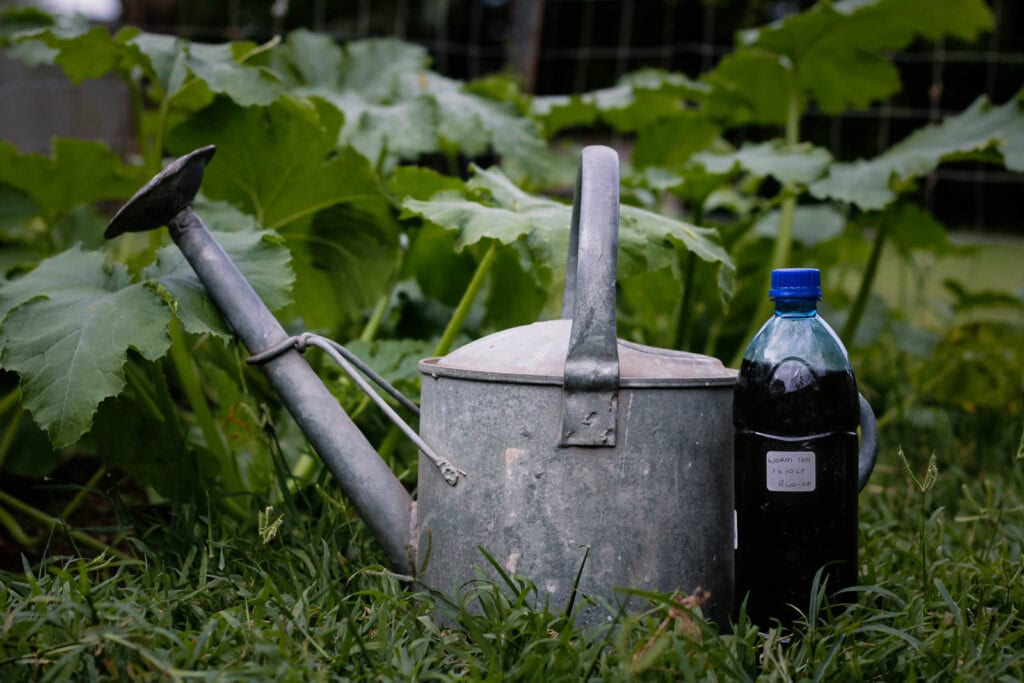
When it comes to watering, you want to water deep. You don’t want to sprinkle the surface; you want to give your gardens a good 10 or more minutes of watering each bed. Your goal should be to get the water to penetrate deeply and get to where it needs to be.
If you are using municipal water (we all know how expensive it is), you can explore grey water. For many years, I collected grey water from my washing machine in a huge tub and used that on my flowers and even on my veg, when I had no choice.
Now might be a great time to look at the detergent you use, and perhaps either start making your own, more organic cleaners, so that you can safely reuse your washing water.
Word of advice: if you do reuse your water, make sure you use it within a day or two of collecting it. Stagnant water can get very smelly.
Mulching is going to be your garden’s best friend
I love to mulch. I mulch twice a year, spring and autumn, and I recommend it to everyone who gardens.
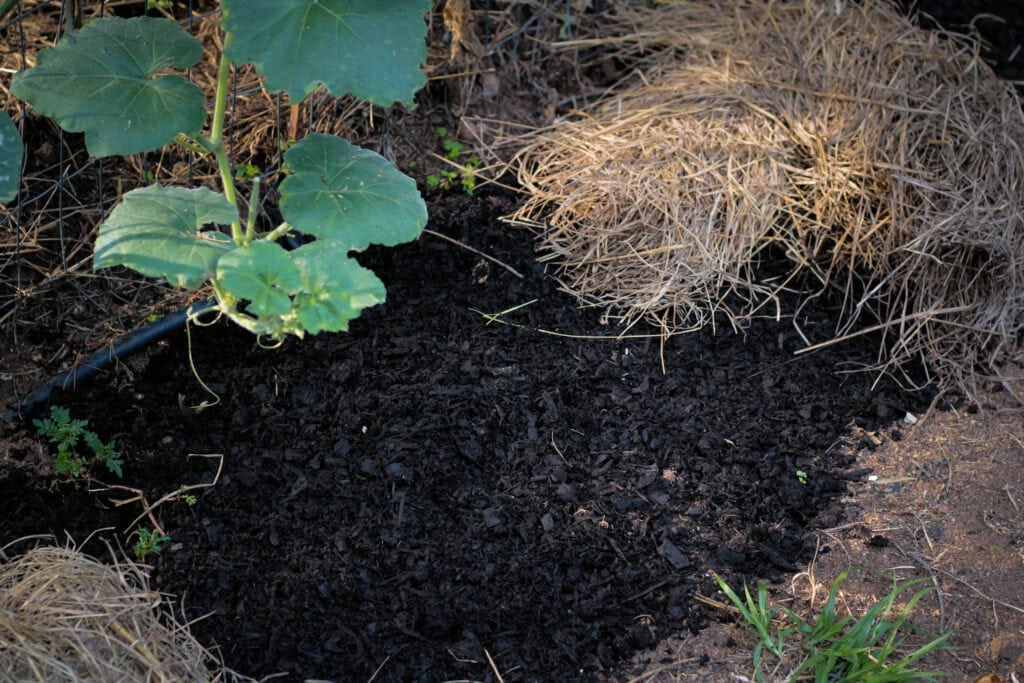
Mulching with straw or leaves is a wonderful way to improve the soil and retain moisture. It also keeps the soil cooler in summer and warmer in winter.
You can mulch before you plant or you can mulch around established plants.
Ideally, you should also add some compost to your garden before El Niño arrives.
The better your soil structure is, the more water and nutrients it will be able to retain. But more on that a little bit later.

On a hot evening, the plants themselves have time to dry off before the coolness returns, so fungus shouldn’t be an issue like it would be when you water in the late afternoon in winter.
In the slightly cooler evening, the plant is not as under stress as it is during the heat of the day, so it’ll have the energy to pull the water in and be nourished.
You can also protect your plants by shading them.
This is more useful when you are growing veg, because covering a huge space is not very practical if you have a very sunny garden.
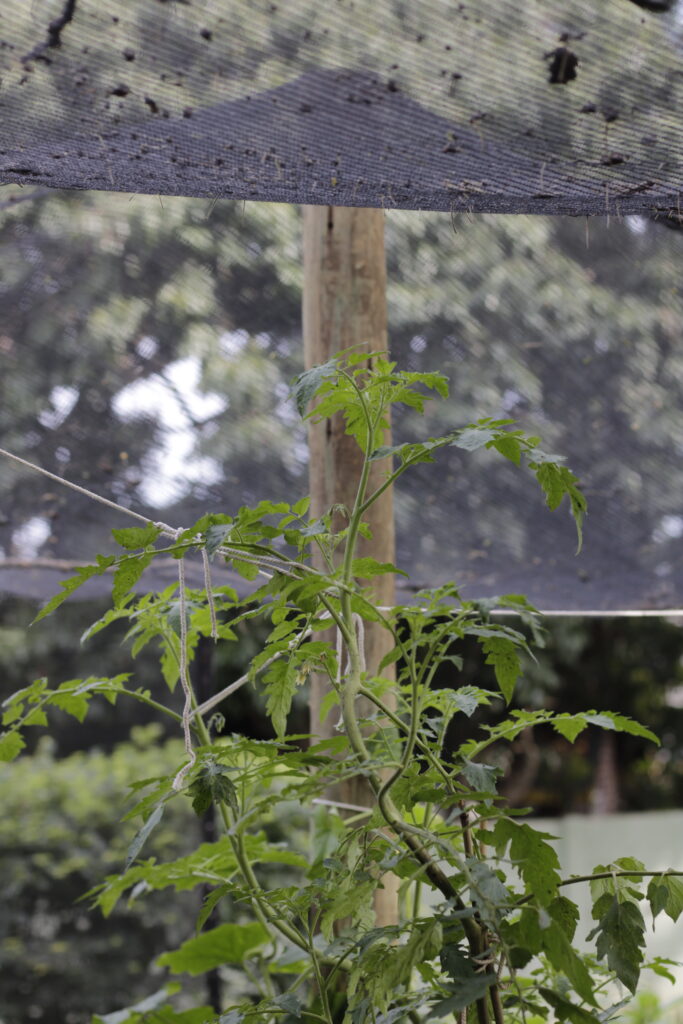
Shade netting, 40% to 60%, is relatively affordable, especially if you are buying for a small area. I use shade net over my vegetable garden, and it has made a noticeable difference, both in soil moisture and in preventing sunburn on the plants.
You can also look on places like Pinterest for DIY ideas for movable shading options.
If you are growing in containers, you can think about adding an olla/oya pot or something similar to regularly and automatically provide water to the roots of the plant.
These pots are made from a porous clay, which allows water to slowly seep out.
And don’t forget to mulch your containers.
Don’t Prune
Your plants are already under immense stress, and pruning them only adds to that by forcing the plant into a growth spurt.
It is better for the plant to focus its energy on surviving the heat.
Soil and Shade Strategies
Every beautiful garden begins beneath the surface, in soil that is rich, alive, and able to hold onto what it needs to grow to its full potential.
In general, soil is fascinating. It is a universe all on its own, and as a gardener, you are given the duty of nurturing it.
During El Niño, working on the soil first is the best way to give your garden a chance at survival.
Working compost and well-rotted organic matter into your beds is the easiest and most practical way to improve the soil’s structure, allowing it to retain moisture for longer while still draining well enough to avoid waterlogging on the rare occasions rain does fall.
Worm castings, aged manure, and leaf litter, even good old shop-bought Culterra Compost, can give your garden better resilience over time, creating a living system where your plants can draw from when the sky just isn’t cooperating.
I always think of soil health and improvements as an investment because the healthier your soil, the less often you will find yourself reaching for the hose (or fertiliser).
There is also a way that you can grow a garden that protects itself.
Taller, more established plants cast gentle shade over smaller, more delicate companions, creating natural layers that shield tender leaves from the harshest sun while also protecting the soil.
A trellis of climbing beans might shade a bed of lettuce, while a stand of tall grasses or sorghum can soften the light falling on shade-loving plants beneath.
Hot, dry winds are often the biggest culprits behind a garden’s distress, drawing moisture from leaves far faster than watering can replace it.
A well-placed hedge, screen, or even a simple trellis covered in climbers can slow down these winds, creating sheltered pockets within your garden where conditions are better.
These microclimates, cooler, calmer, and less exposed, often become the spots where your most delicate plants thrive while the rest of the garden battles.
Pests and Problems that Come with the Heat
Heat has a way of inviting unwelcome company into even the most well-tended garden.
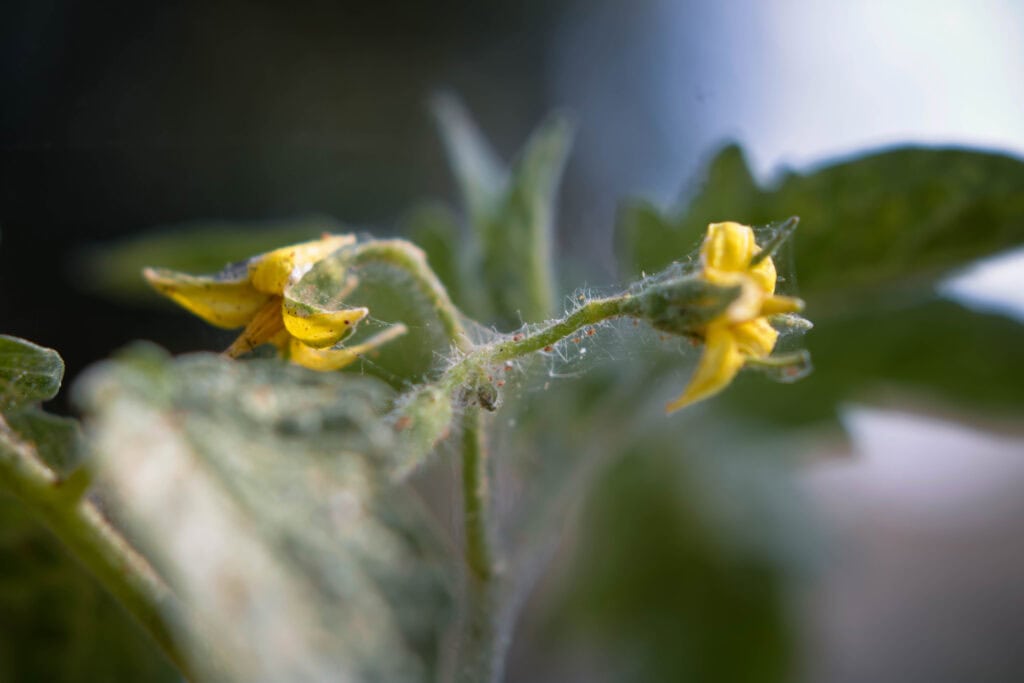
Aphids, spider mites, and whitefly tend to multiply more readily in hot, dry conditions, drawn to plants that are already under stress and less able to defend themselves.
You should regularly inspect leaves, particularly the undersides, to catch an infestation early, before it takes hold.
Encouraging beneficial insects such as ladybirds and lacewings, and keeping plants well-watered and healthy, remains one of the kindest and most effective forms of pest management available to you.
It is easy to look at a struggling plant and assume the worst, but heat stress and fungal issues need an entirely different response.
As I mentioned before, heat stress typically shows itself through wilting and curling those eases once the day cools, along with leaf edges that appear scorched or crisp.
Fungal problems, on the other hand, tend to linger regardless of the temperature, and they look like dark spots, a powdery grey or white residue, or a general softness and discolouration that spreads over time.
There are some organic and a few DIY ways to deal with pests and other problems, but listing them all here would make this already long guide even longer. I would suggest that you first learn how to identify the problem and take it from there.
Tips for Preparing your Garden for El Niño
El Nino is brutal, there’s no getting around that. Even the best prepared garden can struggle when the heat doesn’t abate.
To give your garden a fighting chance, this is a quick recap, and a few new tips for what you should do:
- It is such a good tip that I am saying it again; mulch and mulch thickly. Mulch can lock in moisture and protect the soil.
- Enrich the soil with compost and a slow releasing fertilizer before the summer takes a hold so that the ground holds water and nutrients better
- Choose hardy, indigenous plants suited to your climate. And if you are planting annuals, make sure you get them in the ground long before the summer starts, to give your plants enough time to establish a hardy set of roots.
- Group thirsty plants together so that your watering is more efficient.
- Water in the early evening after the sun has set. You can also try watering in the early morning. The goal is for there to be enough time for the soil to soak it all up before it has a chance to evaporate.
- Use ollas if possible.
- Harvest rain water and reuse your washing water, if possible.
- Soak the soil deeply instead of watering lightly. Deep watering done a couple of times a week is better than a light sprinkle every day. You should also water slowly; this way the water won’t have the chance to run off the top of the soil.
- Water at the base of your plants. Don’t waste time or water on the leaves or flowers, but rather focus your attention at the base of the plants where the roots are.
- Weed your garden but also try to make sure that there aren’t too many open spaces between your plants, where water can evaporate. Space your plants close enough that they cover the ground without passing fungus or pests between them.
- If you have irrigation, make sure that you check it for leaks and that you have drippers rather than sprayers.
- You can’t eat the grass, so just leave it be. If it goes brown and crunchy, it’s okay, it will come back again with a little bit of rain.
FAQs for Surviving El Niño in Your Garden
What is El Niño and how does it affect gardens in South Africa?
El Niño is a natural climate pattern that typically brings drier, hotter conditions to much of South Africa, leading to reduced rainfall and increased heat stress on garden plants.
How often should I water my garden during El Niño?
Deep, infrequent watering in the early morning is generally best, encouraging roots to grow downward and reducing water loss to evaporation.
What plants are best suited to drought and extreme heat?
Indigenous South African plants, succulents, and hardy perennials tend to cope far better with heat and limited water than more delicate, water-hungry varieties.
Is mulching really necessary during a drought?
Yes. Mulch helps the soil retain moisture, regulates temperature, and reduces competition from weeds, making it one of the most effective tools during dry periods.
Can I use greywater safely on my garden?
Greywater from baths and basins can be used on most ornamental plants, though it should be avoided on edible crops and used thoughtfully to prevent salt build-up in the soil.
How do I know if my plant is suffering from heat stress or a fungal problem?
Heat stress usually eases in cooler hours and shows as wilting or crisping leaf edges, while fungal issues persist regardless of temperature and often present as spots or powdery residue.
Do I need shade cloth for my entire garden?
Not necessarily. Shade cloth is most useful for particularly delicate or vulnerable plants, while natural shading through companion planting can protect the wider garden.
What time of day is safest to garden during a heatwave?
Early morning and early evening are kindest, both for you and your plants, while midday heat is best left for rest rather than outdoor work.
How can I prepare my garden now for future dry seasons?
Building resilient soil, mulching regularly, choosing drought-tolerant plants, and creating windbreaks are all habits that build long-term resilience against future El Niño events.
Are container plants more vulnerable during El Niño?
Yes, containers dry out more quickly than garden beds, so moving pots to shadier spots and watering slightly more often can help potted plants cope with extreme heat.
