 Leigh-Anne Harber
Table of Contents
ToggleIt is without a doubt one of the easiest things to grow, and that feeling of harvesting your first butternut is one of great accomplishment, especially if you have not yet grown anything bigger than a tomato.
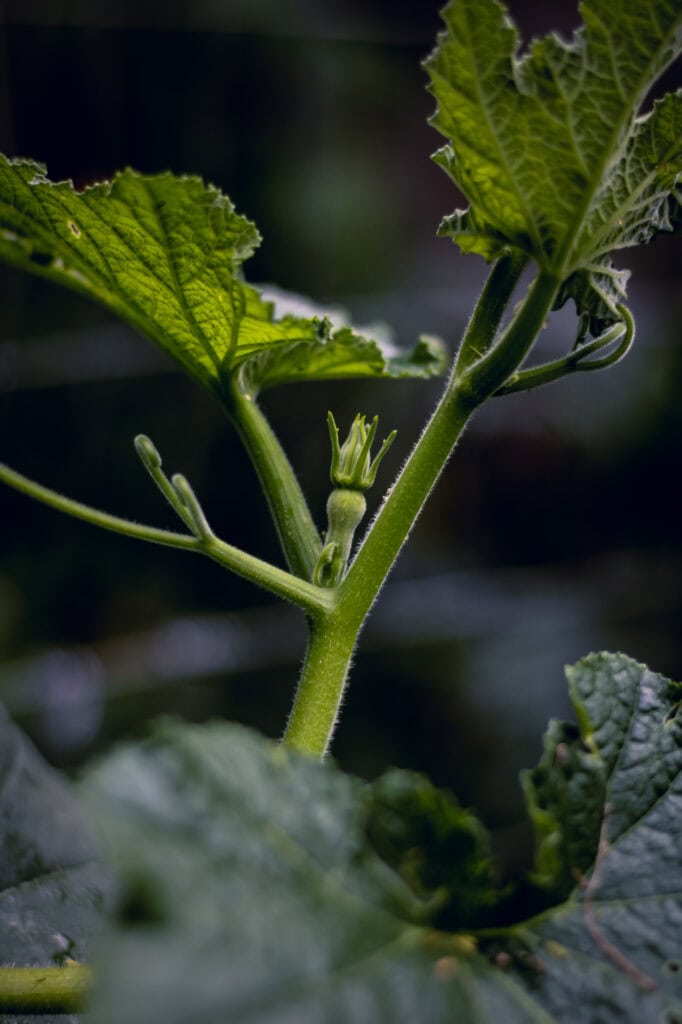
The first time I grew butternut, I grew them from a shop bought butternut. I scooped out the seeds when preparing to cook one evening, let them dry out and then planted them along the edge of my veggie garden. About 15 came up, all of what I had planted, and of those, only 2 made it to maturity, after I moved them to a shadier spot. I didn’t have much hope that I could grow butternut at al,l really, so I was super chuffed with myself with those first little butternut babies formed. Seriously, I took so many photos of the butternut younglings.
Then the rains came, and since it was a La Nina season, those rains were actually floods. We didn’t have all that much summer, and the veggie garden was just about washed away, but the butternut did well.
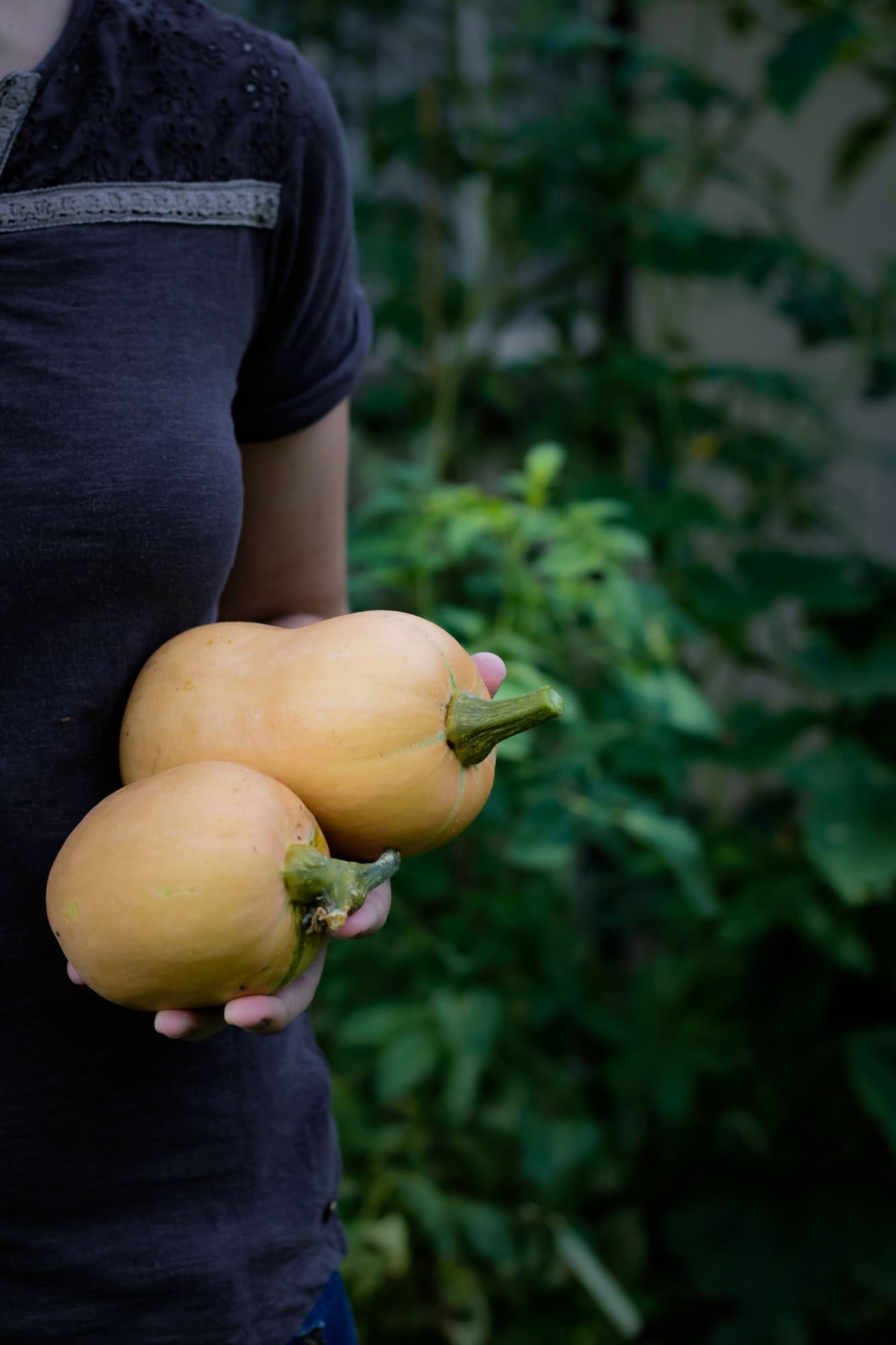
You might be a butternut fan, or it could just be a veg you occasionally buy from the shops, but let me tell you, nothing tastes as good as a homegrown butternut. Not only are they a deeper, richer orange colour, but they taste out of this world. They are also quite dense, which was something new to me, as I have found that most shop butternuts are not quite as thick and as such tend to cook away or absorb too much moisture.
Easy to grow, easy to harvest, easy to cook with and easy to preserve, by adding just one or two butternut plants to your garden the fruits of your labour will be deliciously satisfying.
Types of Butternut
You’d think a butternut is a butternut, but you’d be wrong.
There are quite a few varieties that you can experiment with, and much like all things in life, it might take a little bit of time to settle on the one variety that grows best (and tastes best) for you.
Most types of butternut will have that same distinct look, that signature bell shape. And most will be orange. What differs is the size of the squash and its taste. Some butternuts are smaller and sweeter, while others are larger but not as sweet or flavourful.
In South Africa, the most common type of butternut seed you can buy is the Waltham. This is your typical butternut, like the kind that you get in the shop, and it is delicious. Then you get a regularly named butternut squash seed, and it produces massive butternuts, the kind that can weigh up to 8 kg each.
And finally, you get the honey nut squash. These are dainty, adorable, and packed full of sweet goodness.
Now, when it comes to selecting your preferred butternut, it is not just the size and the flavour to take into consideration. You also need to know how many butternuts you’ll get from each plant.
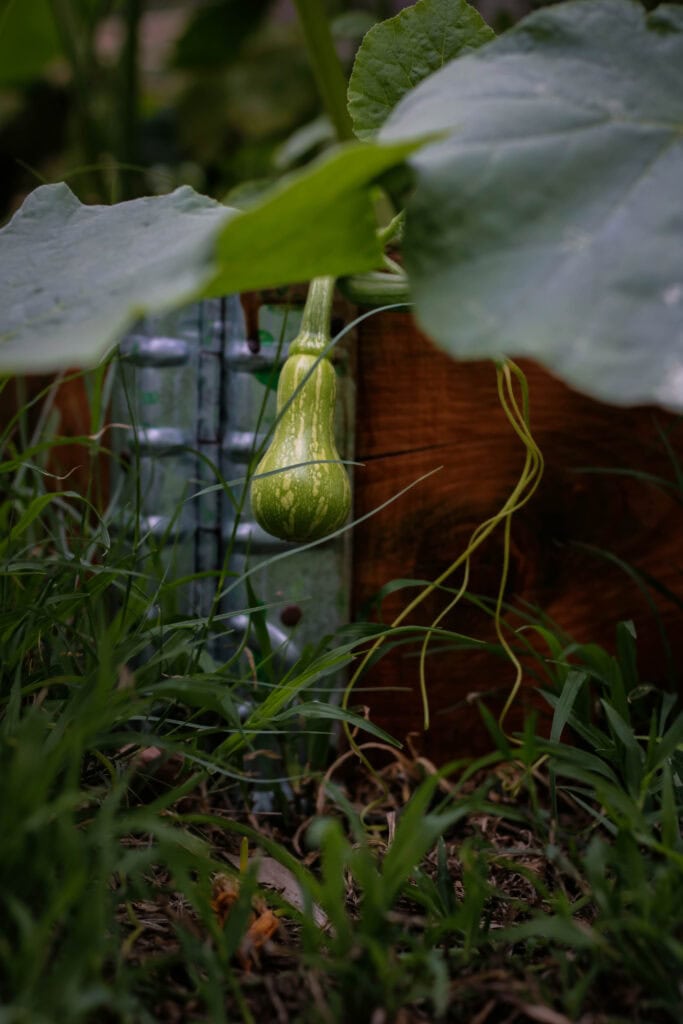
Generally, while your vine might produce like a machine, you’ll only get maybe 4 or 5 really good-sized butternuts. We’re talking about your normal butternuts here and not the honey nut. A honey nut, since it makes smaller squashes, will give you loads more. You are sacrificing size for quantity, but your meal-for-one butternuts will be tasty, and if you have extra, you can store them.
Sowing
For growing butternuts, the Lowveld climate is just perfect and what’s more is that the weather is perfect all year round, so you can sow and grow butternut whenever you like. The one trade off, if you intend to sow and grow your vine in winter is that it will be slower, but since it won’t die, so you can actually get a great head start on your summer season, as the plant will take less time to mature once the heat and rains arrive.
The rule of thumb when it comes to sowing seeds is to look at the size of the seed and then plant it at double its size. To simplify what that means, if your seed is only a millimetre big, then plant it a millimetre into the soil.
When it comes to sowing your butternuts, you can get away with direct planting or by transplanting a seedling.
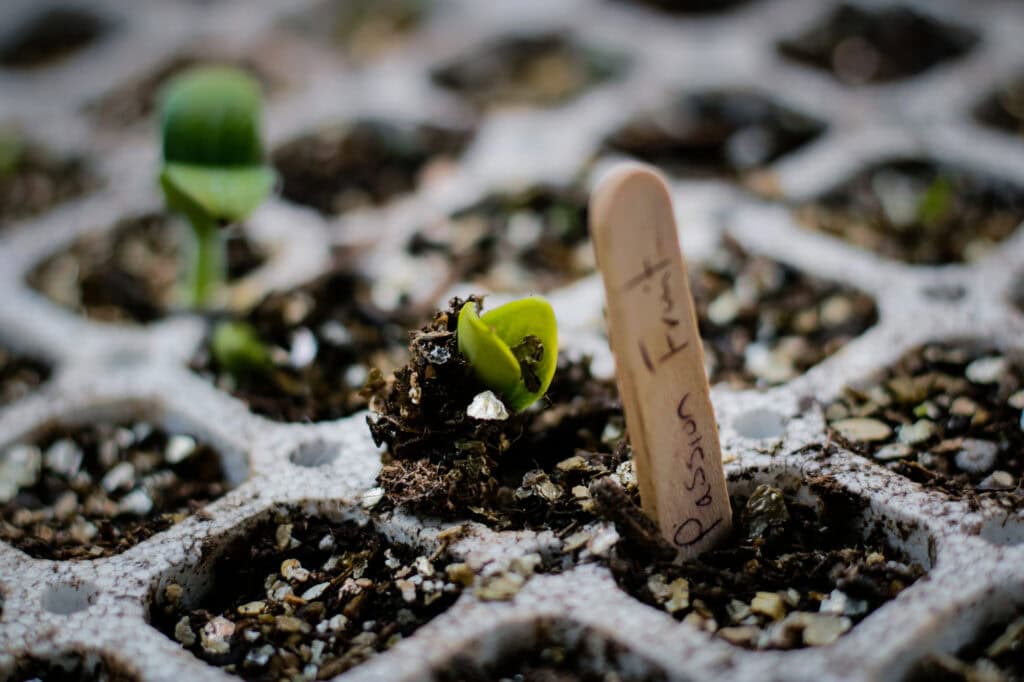
I have been successful with both methods, but one I really prefer is direct planting. This gives the seedling a chance to dig its roots deep, leading to a stronger plant. If the weather is a little cooler, or if you want to get ahead of planting by starting some seeds now to plant later, you can totally get away with planting in plugs, seed trays or small pots.
Butternut seeds, in my experience, are not all that fussy when it comes to the soil they are planted in. I have used compost, seedling soil, seedling soil mixed with perlite and vermiculite and even plain old topsoil, and had success.
Just keep your seeds moist through the sprouting period, and after that, make sure that they have space to grow.
If you are sowing in spring or summer, you can plant out the seedlings at any time.
Personally, I would suggest planting mid to late summer, after the rains, and allow the plant to grow into the autumn.
When the weather starts to cool off, the plant will start producing.
I have found that if you direct plant and then get that first spring rain, you’ll have strong seedlings a lot more capable of withstanding the coming heat.
If you are sowing in autumn or winter, do so between March and May. After that, while you can definitely get your butternuts to grow, they will be sluggish and heavily susceptible to powdery mildew, which will occur when the plants get wet (from rains or watering) and stay wet for longer than they would in summer.
Growing
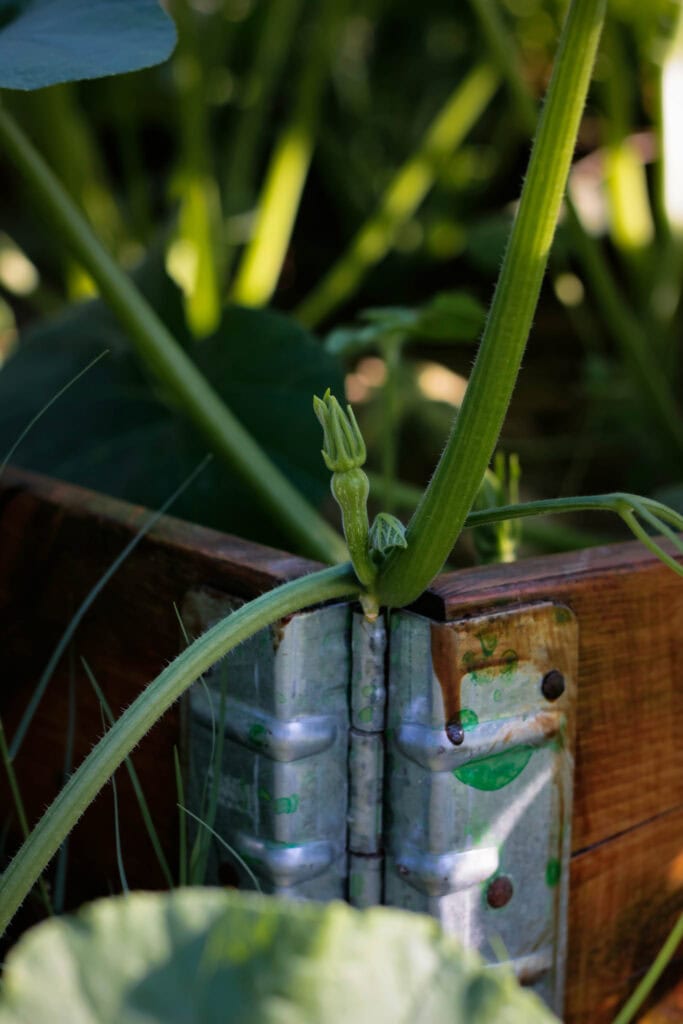
Plant your butternut, keep it watered, feed it some plant food every month and watch your baby go wild. Butternuts, when they get going, are unstoppable, but the key to a beautiful plant is to let it do its own thing.
The first time I grew butternut, I just let it go wild. It climbed all over the veggie garden, up the shade net, it spilt over the little fence and out onto the grass, it grew around containers, and it gave me plenty of produce, all within about 5 months. My first mistake was to try to control it. I cut it back a couple of times and really stunted the plant.
The second time I grew butternut, the very next autumn, I tried too hard to force the plant to climb a fence, thinking that I could save space. I wanted to create one of those beautiful little squash arches that I’ve seen all over Pinterest, but the butternut was having none of it, and not only did it look miserable, but it also just didn’t perform at all.
When it comes to growing these treats, just let them go their own way. Make sure that you give them some breathing room, and in the lush summer rains, heat and humidity, you’ll be blown away with how they take off. And I am sure that if you harbour those squash arch day dreams like I do, if you place a trellis close enough to the plant, it will find its own way without needing to be tied onto anything.
Harvesting
Unlike many other types of veggies, there are a few things to look for when the butternut has developed and looks about ready to harvest.
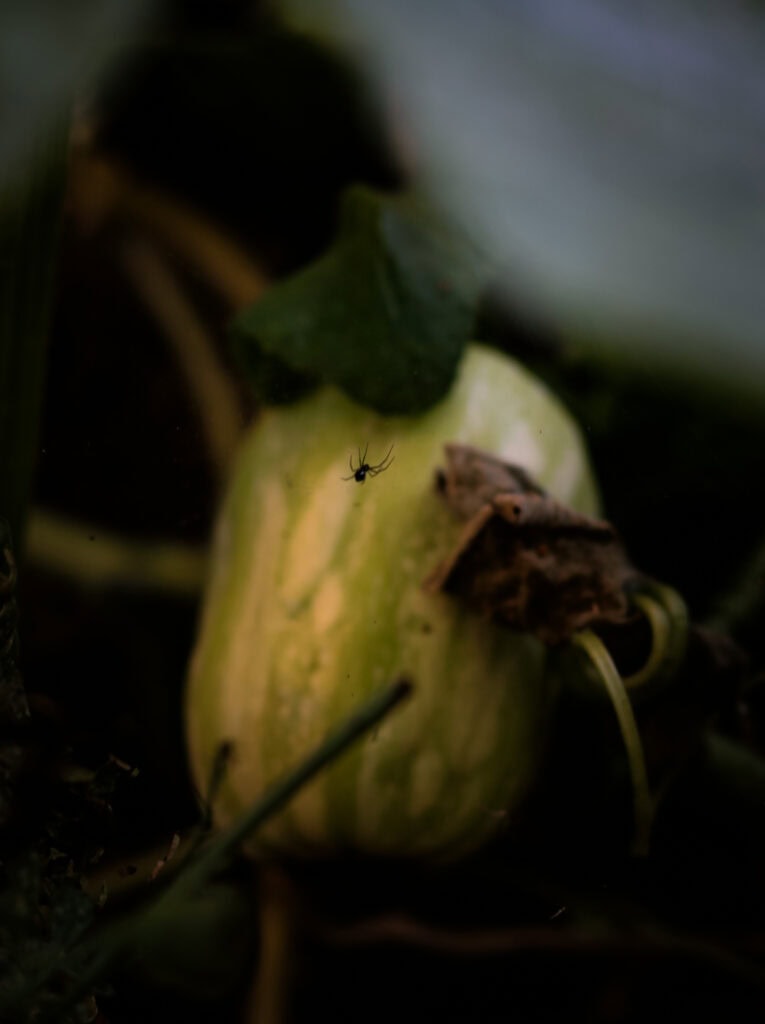
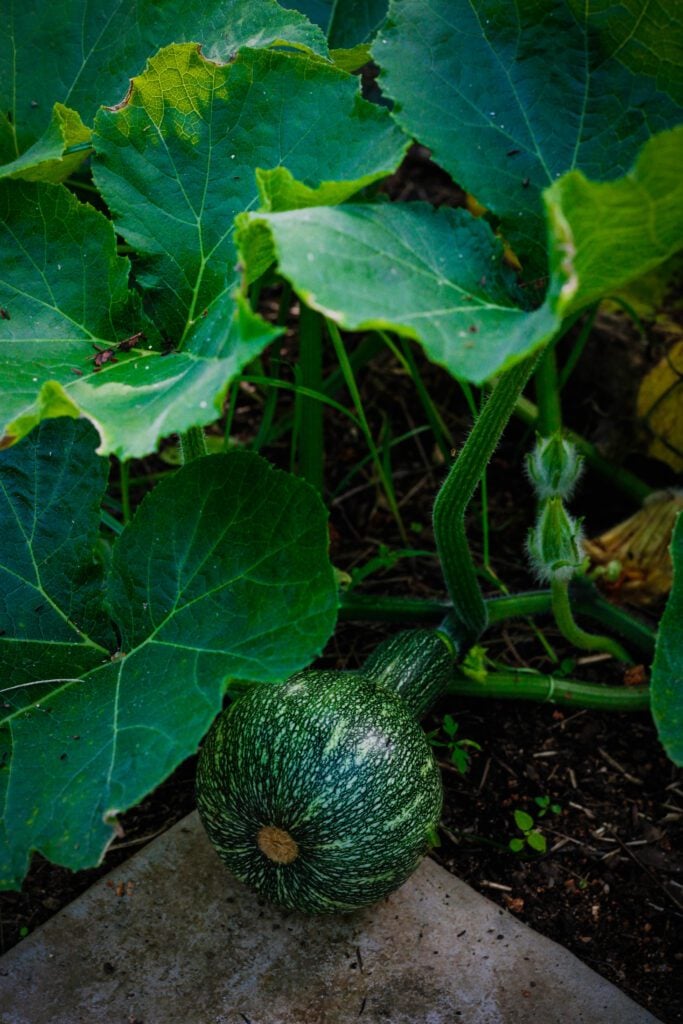
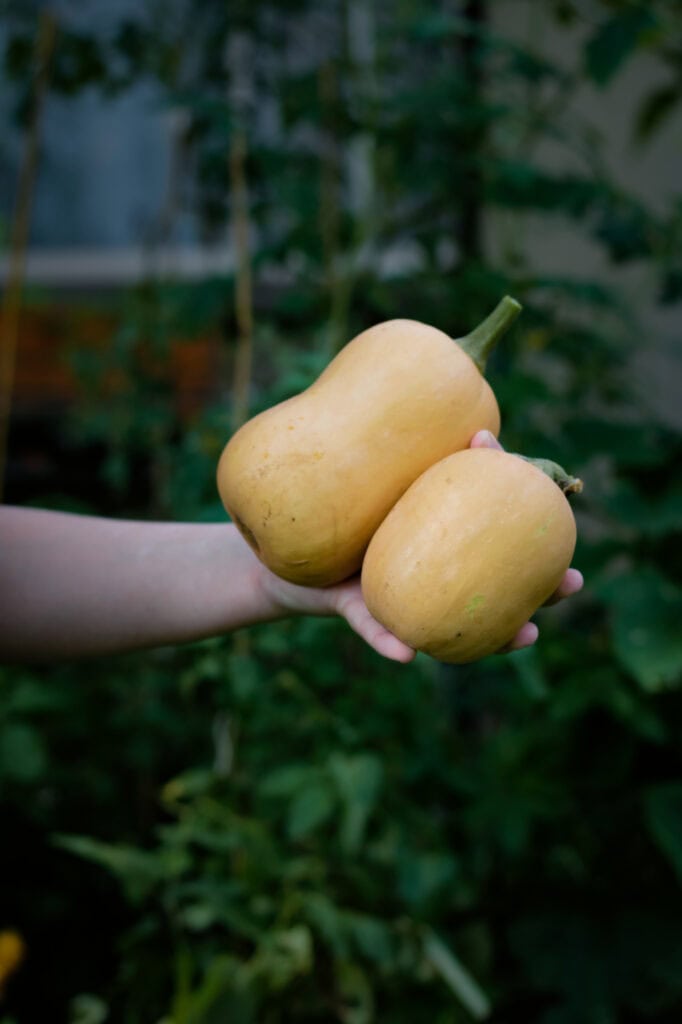
The most obvious sign is that the butternut has turned from green to a yellow or beige, and is now at a pretty decent size.
The other thing you can look at is the stem. Once the stem changes colour from green to brown the butternut should be ready to pick.
Finally, you can test the skin of the butternut by pressing your nail into it (a thumb nail would be the easiest). If you pierce the skin or if your nail leaves an indent, the butternut is not yet ready.
To remove the butternut from the vine, you can snip the stem with a sharp pair of scissors or garden clippers.
Pests
Butternuts grown in the Lowveld don’t face too many threats, but they are prone to getting powdery mildew. It is easy to spot this white power-like mildew, which affects all types of squashes, but often by the time you notice it, the mildew might already be too far gone.
In the summer months, even with the rain, the butternuts won’t necessarily be too affected by this pest of a problem, at least not until late summer, but in winter, when the watered plants might stay wet for prolonged periods, you might have some trouble.
Mildew will slow down your plant’s production, and it will eventually kill the plant, because the white powder prevents the plant from photosynthesising.
There are organic ways to treat powdery mildew, such as spraying the whole plant with a watered-down full-cream milk solution, leaving it for an hour or so and then washing it off, and you will also find some other solutions at your local garden shop.
Although I’ve not had the displeasure, butternut can be munched on by squash bugs, which are easily spotted and should be squashed.
When you see the first butternut start forming, you should try to prop it up rather than leaving it to sit on the ground. If the ground is too wet, the butternut fruit can rot.
And if you notice your butternut is starting to split open on the vine, don’t fret. This happens when the plant gets more water than it needs. This shouldn’t affect the taste.

What to do with your harvest
Butternuts are a South African favourite and for so many delicious reasons. You’ll not run out of things to do with your butternut harvest, and here are a couple of ideas to get you started.
- Baked butternut salad. Chop up your butternut into small to medium-sized chunks, and dice up a couple of rounds of feta. Add a couple of handfuls of baby spinach, splash your veg with a dose of olive oil and season with your favourite combo of spices. Throw it all in the oven and cook until the butternut is soft. With this recipe, you can bake the feta in with the butternut or add it later.
- Butternut soup. Roasted butternut added to a soup blend is a wonderful dish, especially when it starts getting to the autumn months.
- Butternut pasta. Roasted butternut blended smooth, mixed with cream and well-seasoned, can become the tastiest pasta sauce you’ll ever eat.
- Butternut, bacon and feta quiche. Make your traditional quiche and use butternut, feta and fried up, crispy bacon as the filling.
- Stuffed Butternut. An easy and traditional way to cook butternut, simply roast it, scoop out the flesh, mix it with cooked mince, cover with cheese and bake again.
Growing Butternut in South Africa Q&A
How long does it take butternut to grow in South Africa?
Butternut typically takes about 12 to 15 weeks (90–120 days) from planting to harvest in South Africa, but this is a general estimate and the timeframe can vary slightly depending on the climate, soil quality, pest issues, and care practices.
What is the best time to plant butternut in South Africa?
The ideal time to plant butternut is during the spring and early summer months (September to December) when temperatures are consistently warm and there is no risk of frost. Here in the Lowveld, although they will grow slower in winter, butternut can be grown all year round.
What soil is best for growing butternut?
Butternut grows best in well-drained, sandy loam soils with a pH between 6.0 and 7.0. Adding compost or organic matter can improve fertility and drainage, and besides, you can never go wrong with compost! When planting your seed or seedling, be sure to add a good amount (around 20cm) of compost to the hole.
How much water does butternut need?
Butternut requires consistent watering, particularly during flowering and fruit development stages. It is important to make sure that the soil remains moist but not waterlogged, so give it about 25–35 mm of water per week, and more during a very dry spell.
Can butternut be grown in all regions of South Africa?
Yes, butternut can be grown in most regions of South Africa, provided there is sufficient sunlight, warm temperatures, and frost-free conditions. Areas with a moderate climate are best for butternuts.
What fertilisers should I use for butternut?
You should use a balanced fertiliser rich in nitrogen, phosphorus, and potassium (NPK), such as 2:3:4 (30). Give the plant the nitrogen early for leaf development and phosphorus later to promote flowering and fruiting.
How do I know when butternut is ready to harvest?
Butternut is ready for harvest when the fruit has turned beige or tan in colour, and the skin is hard. To test the skin, stick your thumb nail into it, if your nail leaves a mark, it is not ready. The stem should also appear dry and shrivelled.
What pests and diseases affect butternut plants in South Africa?
Common pests include aphids, pumpkin beetles, and cutworms, while diseases like powdery mildew, downy mildew, and root rot can occur. You can get ahead of any issues by checking the plant regularly and practising proper pest management.
Can I grow butternut organically in South Africa?
Yes, butternut can be grown organically using natural compost for soil enrichment and organic pest control methods, such as neem oil and crop rotation.
How much butternut can I expect to harvest per plant?
Each butternut plant typically produces 3–5 fruits, depending on growing conditions, care, and the variety chosen.
Do butternut plants need trellising?
While butternut plants are usually grown on the ground, they can be trained to grow on a trellis to save space. However, the trellis should be very sturdy, as the fruits can be heavy. For trellising, you might want to consider growing a honeynut, which is smaller.
What are the common challenges when growing butternut in South Africa?
Challenges include water stress, pest infestations, fungal diseases, and poor soil fertility but with proper care, regular watering, and crop rotation you can reduce or even avoid these issues.
Can butternut be grown in small gardens or containers?
Yes, dwarf or compact butternut varieties can be grown in containers, just make sure that you use a large pot with good drainage and fertile soil so that you can enjoy the best results.
Is butternut a good crop for commercial farming in South Africa?
Yes, butternut is highly profitable for commercial farming in South Africa due to its high demand and suitability for the local climate.
How do I store harvested butternut?
If you plant to store your harvested butternut, make sure you place them in a cool, dry, and well-ventilated area. Properly cured butternut can last for 3–6 months under the right conditions.




I’m growing, or trying to grow in clay ground mixed with black ground. Can butternut grow in it? I’m really an ammature and need help.
Hi there, as long as your ground does not get too waterlogged, your butternut should grow. I would add compost to the ground before planting, just to be safe. The compost will help break up the clay a little and it will give the soil some extra nutrients which will help the butternut. As with all gardening, it is trial and error until you find what works best in your soil and your area. And you can never go wrong with adding some compost 🙂
I have created my own vertical ROWLES CONE PLANTER where I’ve planted butternut seeds in and now harvest about 20 per plant under 40% shade cloth. I do hand pollination before 10am daily to ensure an ongoing production even on every female flower as the cone planter is 6 ft dia by 6 levels tall so ample space for this production without any stings from insects or pests.
I accidentally started growing a butternut plant. When I realized it was growing i have been quite diligent with watering and caring for it. 2 days ago the area around the root stared wilting and dying… I have good drainage and I water it regularly, so I am concerned that it may be dying, however, I just noticed that I have 3 little butternut growing towards the ends. I have put up a trellis and while a very small part of the plant opted to keep climbing, most of it stayed grounded and the baby butternut are on the ground at the end parts. I have now given it extra compost and soil to encourage root protection but also potential growth along the stem should we lose the main root. Should I be doing anything else
Hi Mel, it sounds like you have it sorted. If you are having very dry weather at the moment, it might help to mulch around the base of your butternut plant. That will stop the soil from drying out completely between waterings and it will protect the roots. It could also be that your soil has sunk a bit, leaving the base more exposed. I had something similar after the floods we had recently. I added extra compost and I mulched with some leaves. Watch out for wasps and pumpkin fly. They love those little new butternuts.
I started it from the pips in the compost in my front garden for the first time as stay on a farm but never grow them before then as its growing well but I not sure if the one got stung or what as its elevated but you say it can grow on te ground as well but not grass then as got a lot of new ones coming out now must youspry them for the bug at all as in the eastern cape where it reaches 30degrees at the moment